
Last updated September 23, 2026
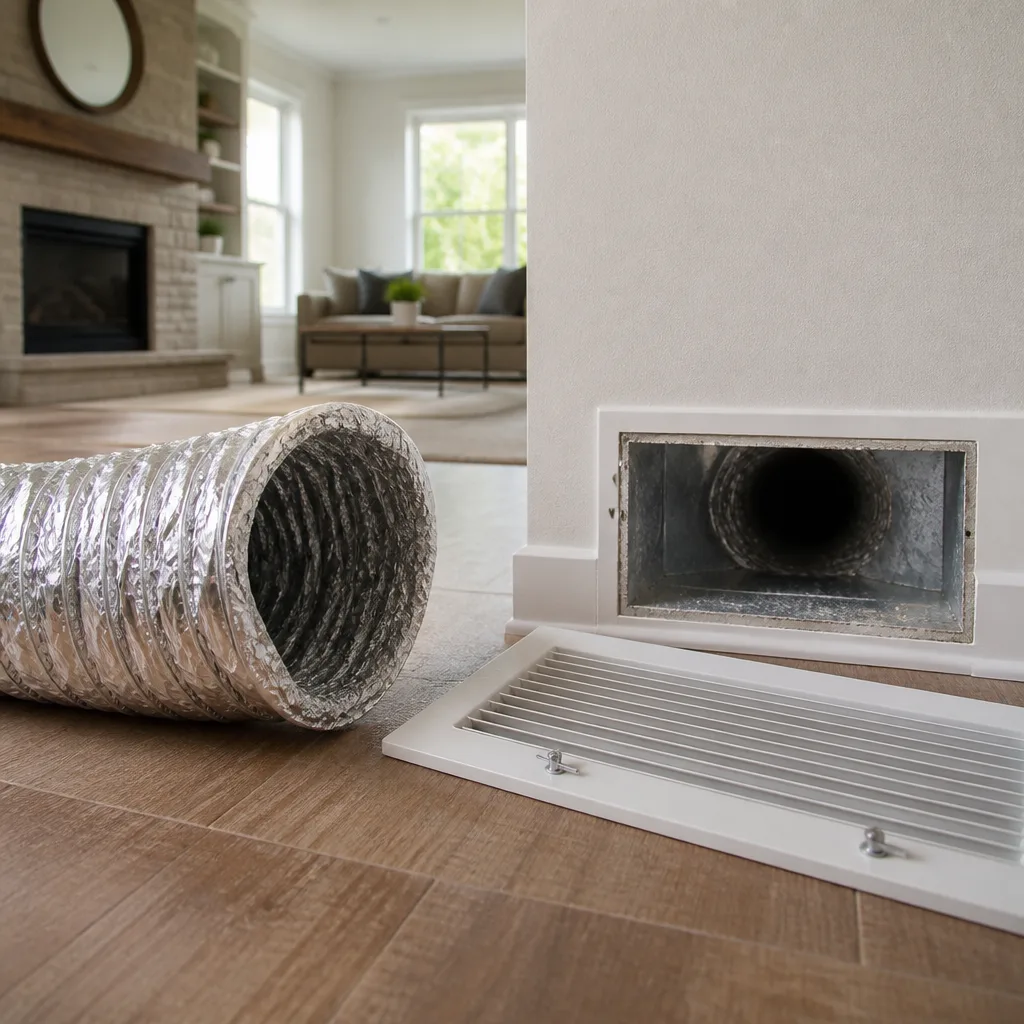
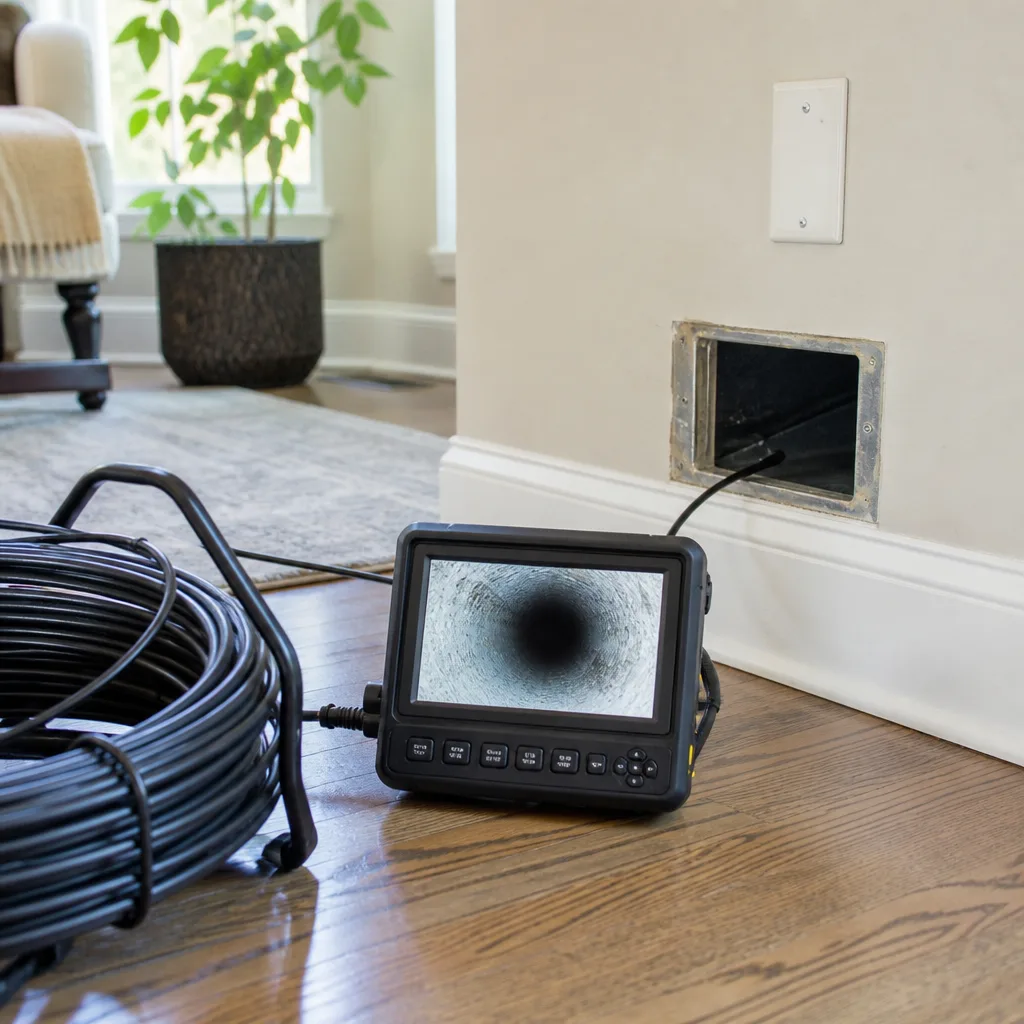
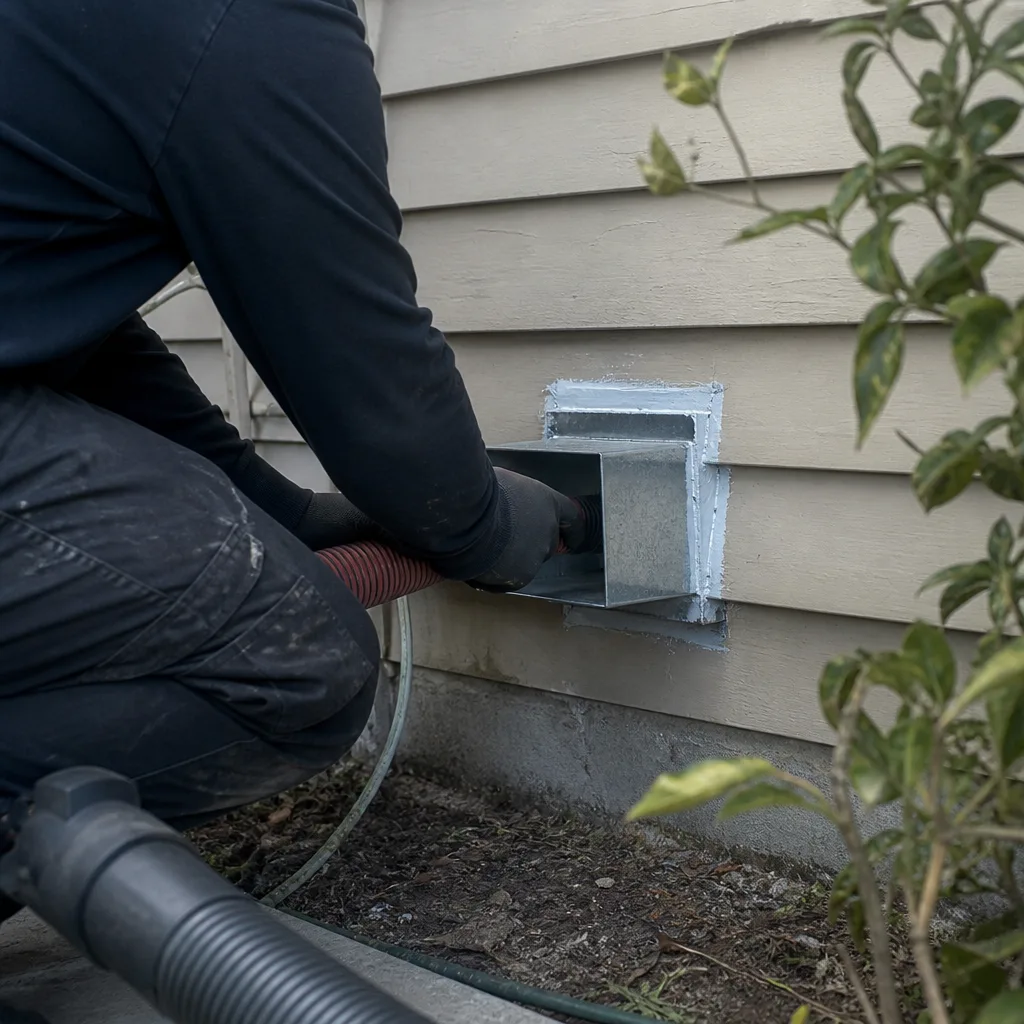
Whole-system duct and dryer vent check with before-and-after photos - you see exactly what came out of your vents
That "$99 whole-house special" is a bait ad - the real number appears once they are in your hallway, or the "clean" is a shop-vac at the register. We photograph the inside of your ducts before and after instead.
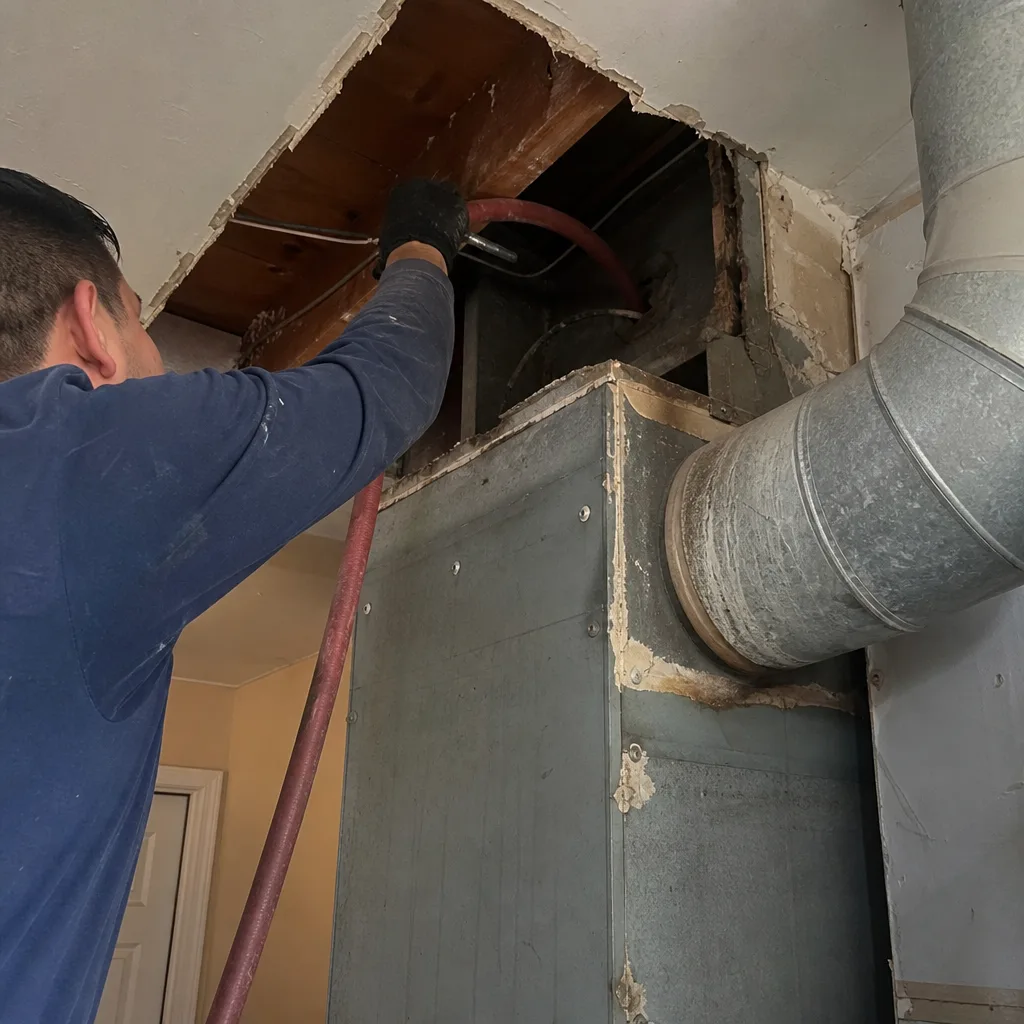 Before
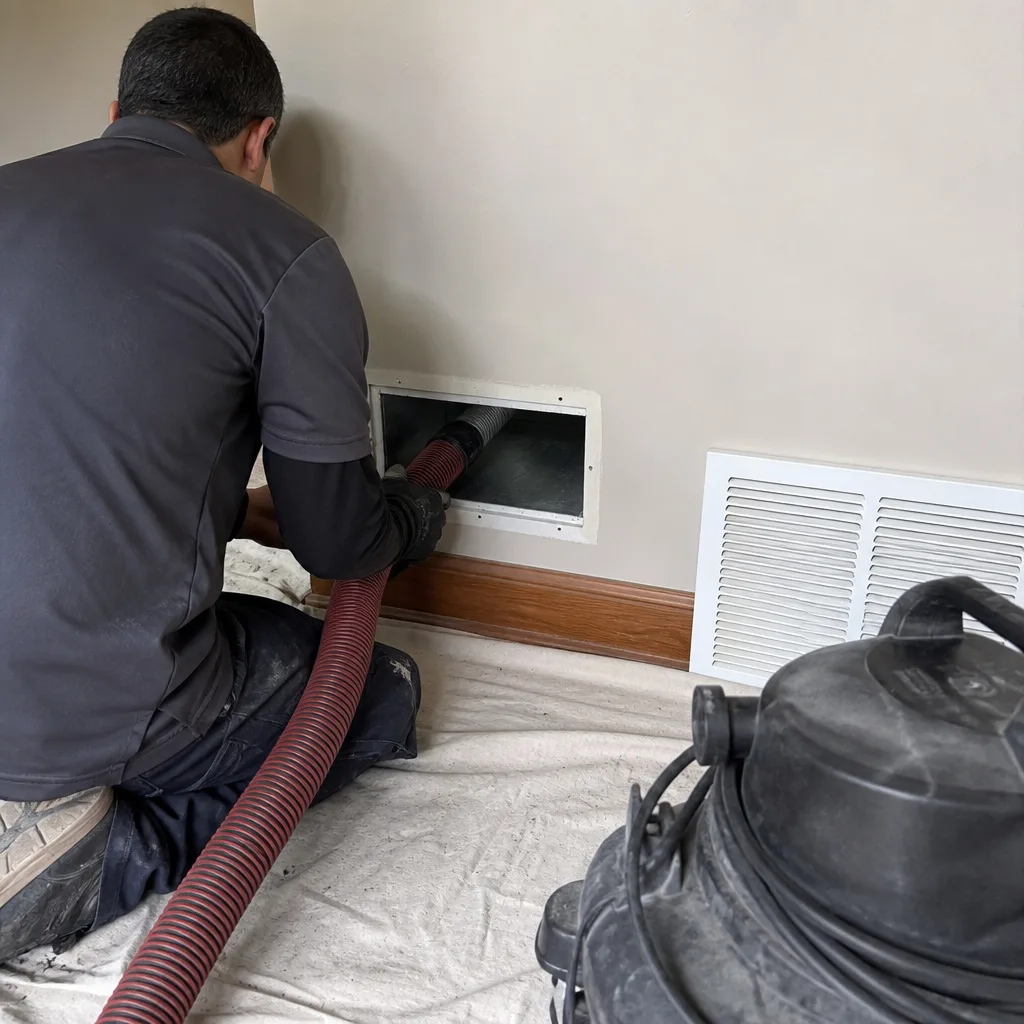 After
After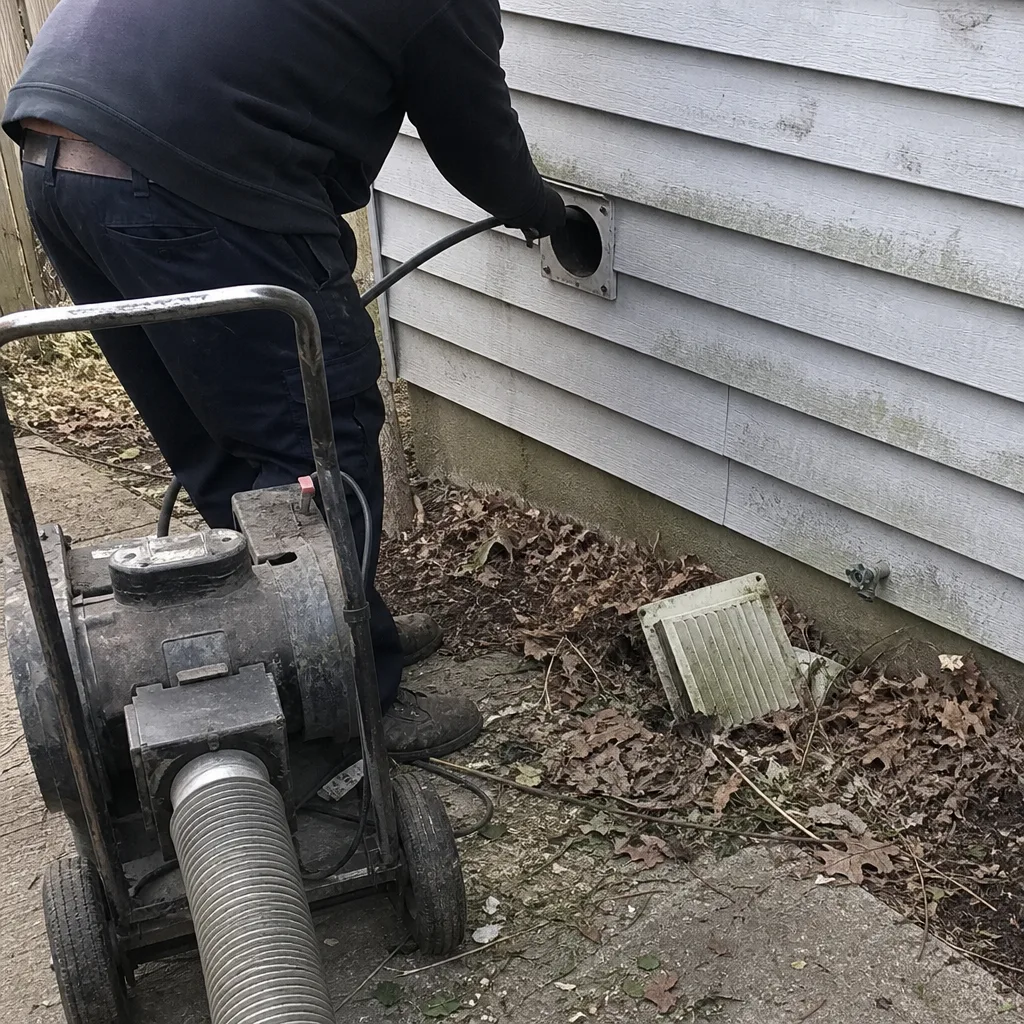 Before
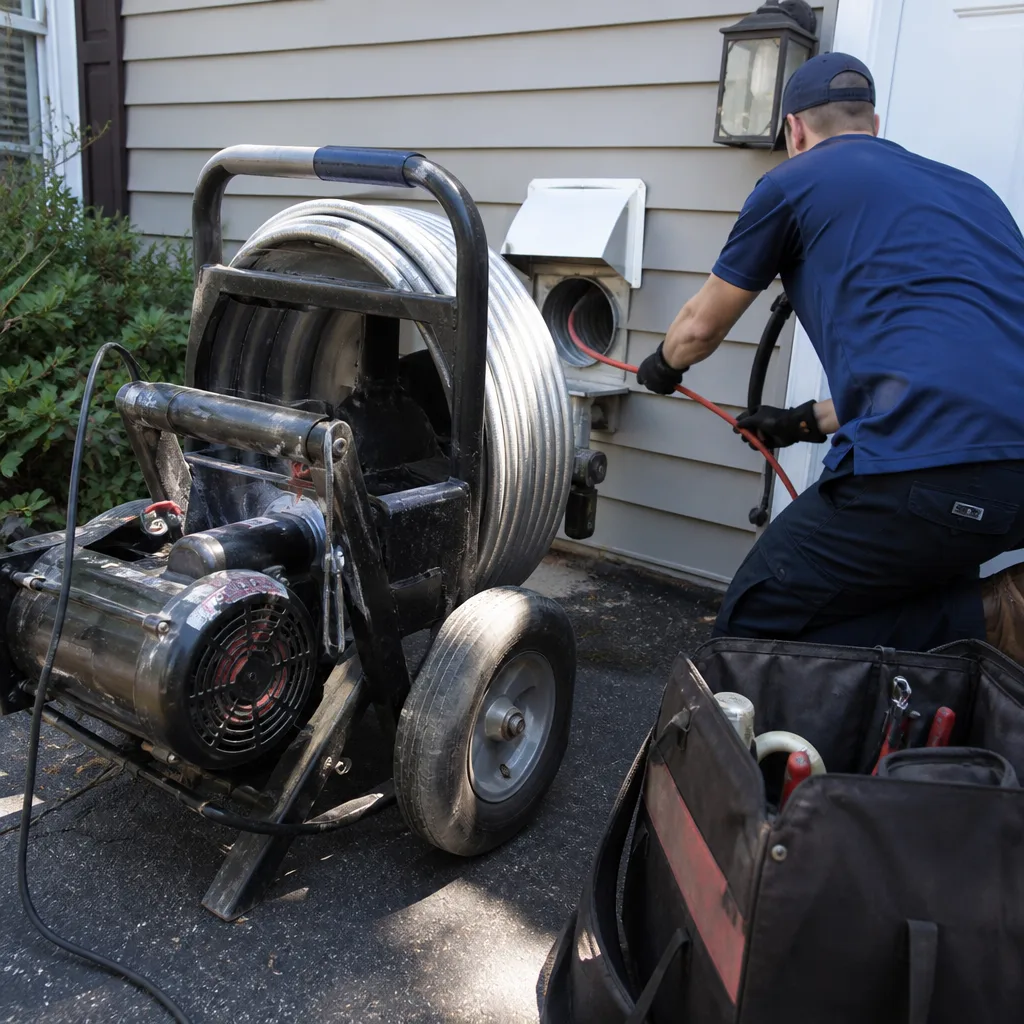 After
After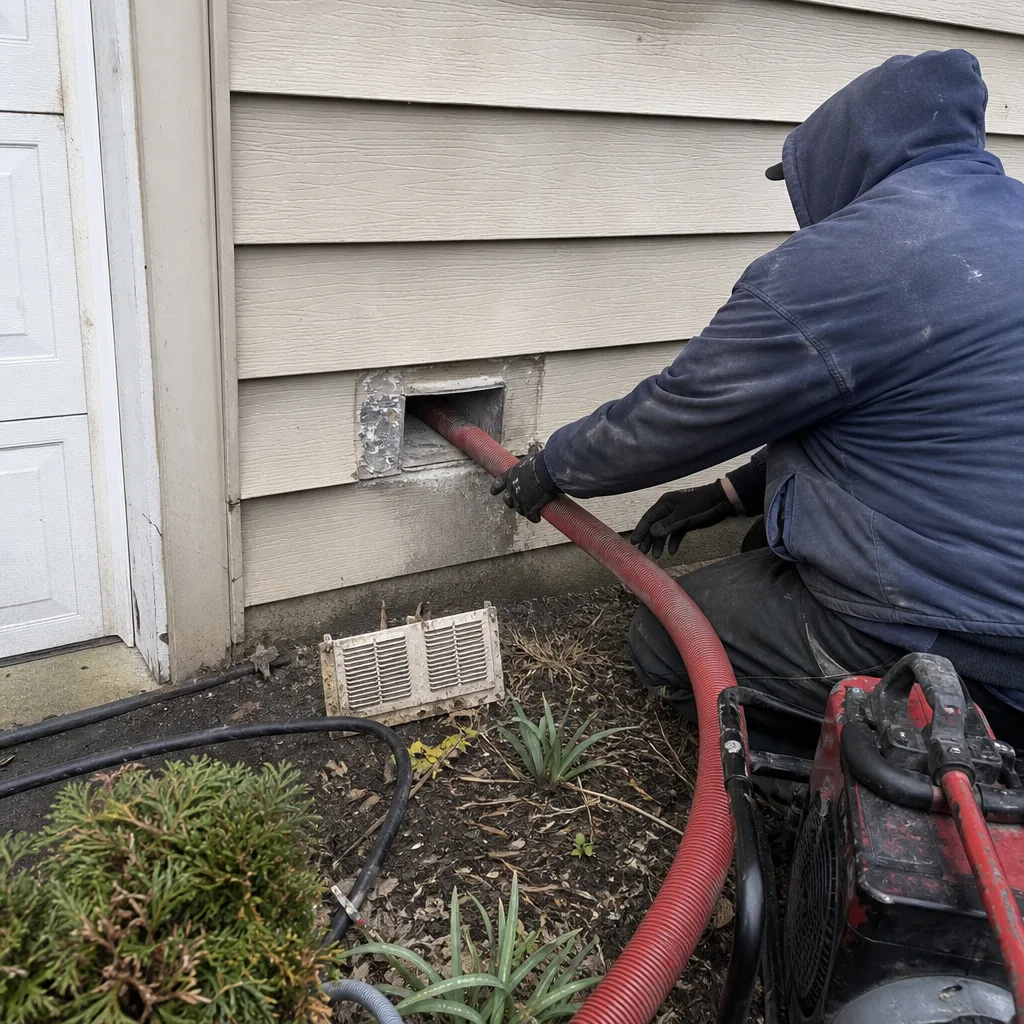 Before
 After
AfterSeasonal Air Duct Cleaning Care for Naperville: Year-Round Homeowner’s Guide
The worst time to clean Naperville ducts is right before you think you need it most - late fall, when everyone else is calling. The best time is late April, after the furnace’s final heating run has distributed a full winter’s worth of particulate and before AC season seals it against the coil. In this guide, we’ll map what each season actually deposits in your ductwork, why timing matters for your evaporator coil’s health, and how to read your own system so you schedule service at maximum ROI - not on an arbitrary calendar date. We’ve been photographing the inside of Naperville duct runs since 2013, and the seasonal pattern is consistent enough to predict.
Quick Answer
Seasonal air duct cleaning in Naperville delivers the best results when scheduled in late April or early May, after winter heating deposits road salt particulate and combustion byproducts but before summer AC humidity seals debris against the evaporator coil. Most Naperville homes benefit from our Air Duct Cleaning services every 2-3 years, with dryer vent cleaning annually and filter changes adjusted seasonally based on outdoor air quality and system runtime. Homes near Route 59 construction corridors, in older neighborhoods like Near North or East Highlands with original flex duct, or with finished basements where humidity accumulates may need more frequent attention.
Table of Contents
- What Each Naperville Season Deposits in Your Ductwork
- Why Late April Is the Highest-Value Cleaning Window
- Seasonal Filter Strategy: MERV Ratings and Static Pressure Tradeoffs
- What Summer Humidity Does to Flex Duct in Naperville Homes
- Month-by-Month Duct Care Reference Card
- What Air Duct Cleaning Costs in Naperville and What Affects Price
- How to Choose a Duct Cleaning Provider in Naperville
- Common Mistakes to Avoid
- When to Call a Professional
- Frequently Asked Questions
BeforeAfterWhat Each Naperville Season Deposits in Your Ductwork
Naperville sits at the intersection of Interstate 88 and Route 59, with prevailing westerlies that carry distinct particulate signatures through each season. Your ductwork doesn’t just recirculate indoor air - it processes whatever the blower pulls from return registers, and that load changes predictably through the year.
Winter: Road Salt, Combustion Byproducts, and Dry Particulate
From November through March, Naperville’s road crews apply magnesium chloride and sodium chloride blends that become airborne as fine particulate when traffic passes over dried residue. The city’s 2019 switch to pre-wetting brine application reduced visible tracking but increased fine aerosolization - particles small enough to pass standard fiberglass filters and accumulate in duct runs. In homes with gas furnaces, winter heating also produces dry combustion byproducts: trace carbon soot, sulfur compounds, and oxides of nitrogen that deposit as a fine gray film on duct walls.
We’ve photographed this winter signature repeatedly. In a 2022 job on a 1987 ranch near Hobson West, the camera showed a 3-inch debris build-up at the first elbow of the main return - compacted gray matter with visible crystalline structure under magnification, consistent with dried road salt bonded to dust. The furnace had run 4,200 heating degree days that season, enough to distribute the load through every branch.
Spring: Pollen, Humidity Condensation, and First AC Cycle Shock
Naperville’s tree pollen season typically peaks late April through mid-May, with oak, maple, and birch contributing the highest counts. Pollen grains are 20-50 microns - large enough to catch in pleated filters but small enough to bypass damaged filter seals or gaps around return register frames. When the first warm day triggers AC startup, the evaporator coil drops to 40°F surface temperature, and the sudden cooling of humid spring air produces condensation that glues pollen to coil fins. Any pollen already in the ductwork gets pulled through and trapped in this wet film, where it becomes a nutrient base for microbial growth.
Summer: Attic Heat, Insulation Fiber Shedding, and Extended Runtime
July and August in Naperville average 85°F with humidity pushing 70%. Ductwork in unconditioned attics - common in homes built 1965-1995 in neighborhoods like Cress Creek and Tall Grass - experiences temperature swings from 130°F attic peak to 55°F supply air. This thermal cycling degrades duct liner adhesive in flex duct, and the vibration from blowers running 16-18 hours daily sheds fiberglass fibers into the airstream. The fibers appear as shimmering strands in our before photos, often concentrated at sag points where duct rests directly on joists without support straps.
Fall: Leaf Mold Spores and the Pre-Heating Rush
October brings leaf decomposition across Naperville’s mature tree canopy, particularly in areas like the Historic District and White Eagle where oak and maple density is highest. Alternaria and Cladosporium spores peak during this period, and the first furnace cycle of the season distributes them through the entire system. Homeowners who wait until November to schedule cleaning - the “everyone else is calling” period - are actually requesting service after this fall load has already been baked into the ductwork by heating cycles.
Why Late April Is the Highest-Value Cleaning Window
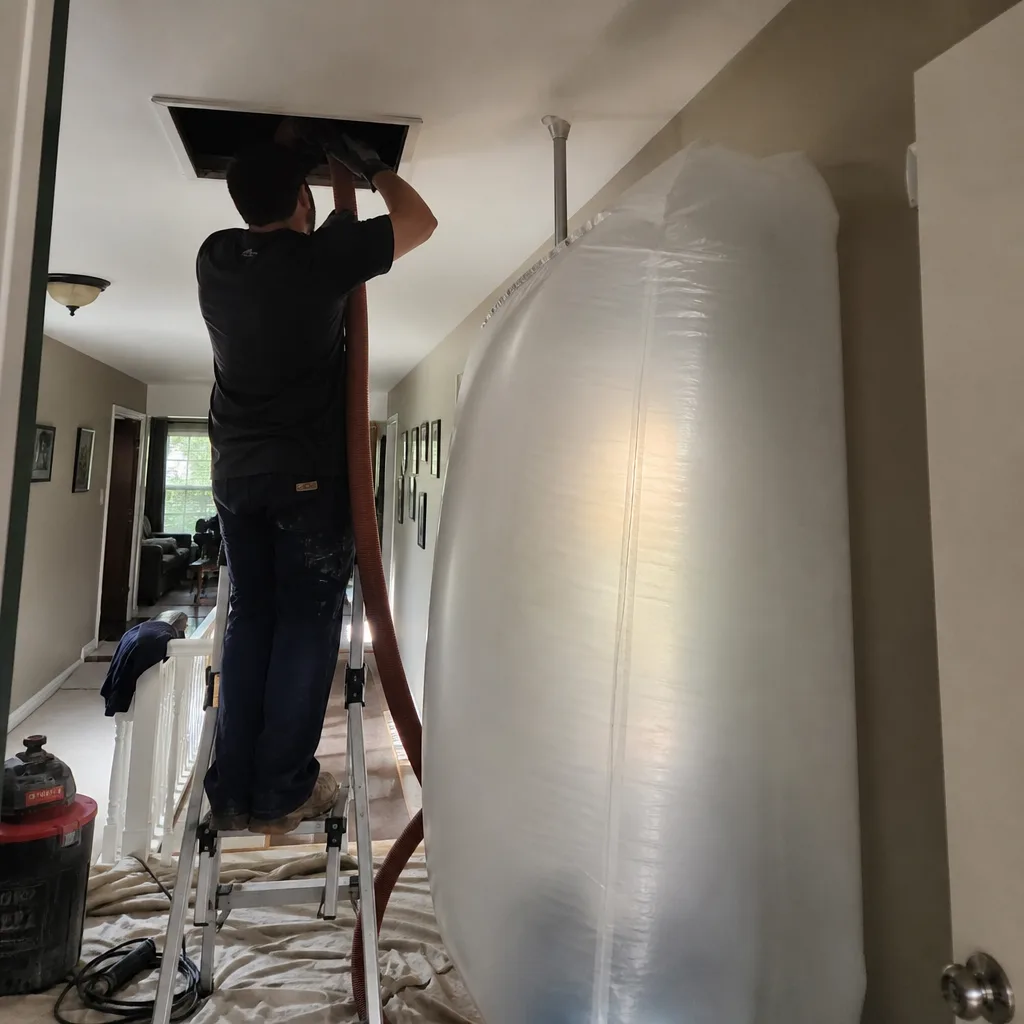
The mechanical case for late April / early May timing rests on the evaporator coil’s role as the system’s final filter. In a forced-air system, the coil is a wet, cold surface that traps anything passing through it. Once debris adheres to coil fins, it reduces heat transfer efficiency, raises head pressure on the compressor, and becomes increasingly difficult to remove without chemical treatment.
Here’s the sequence that makes April optimal:
- Winter heating completes its distribution work. By late April, the furnace has run its final cycles of the season, depositing the full winter particulate load into ductwork.
- Spring pollen has begun but not peaked. Early pollen loads are present but not yet at maximum concentration - cleanable before they become entrenched.
- The coil is still dry from winter shutdown. Most Naperville systems haven’t yet started sustained AC operation, meaning the coil has no wet film trapping debris.
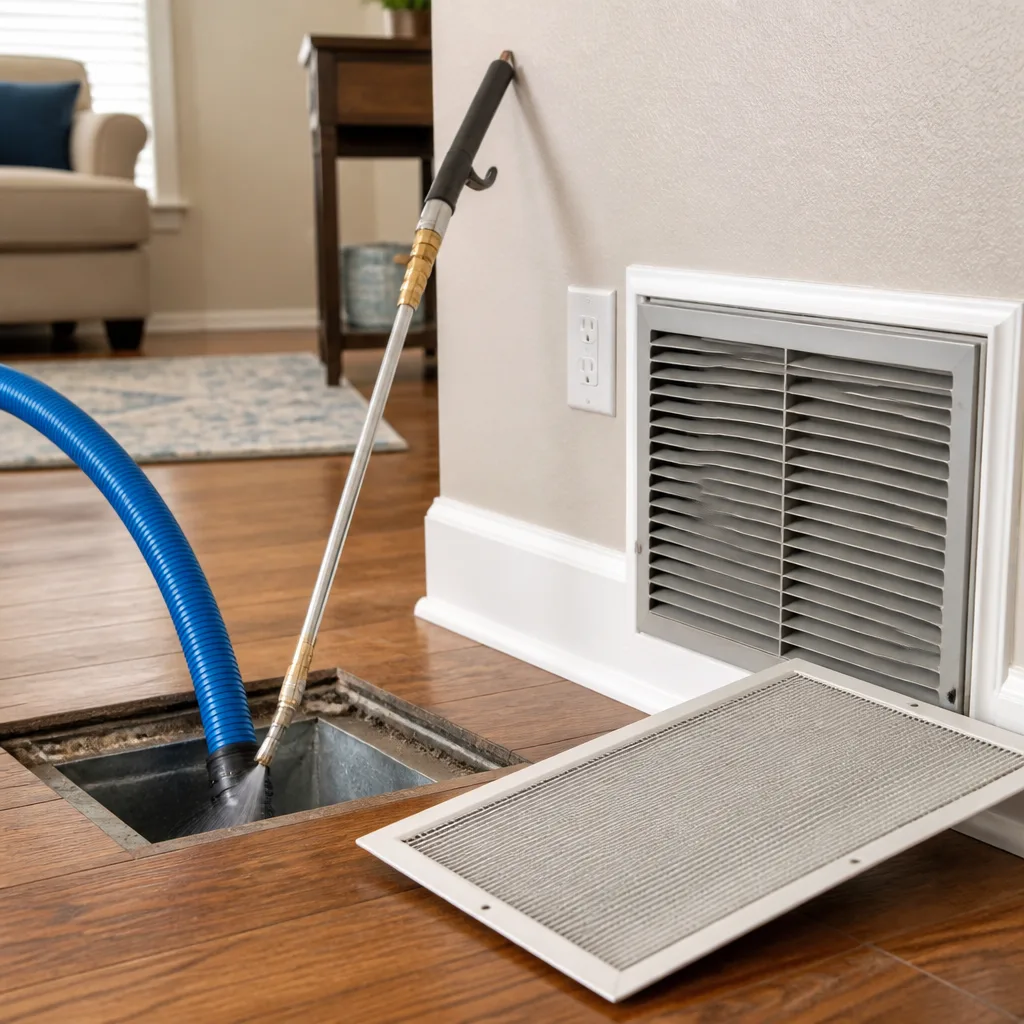
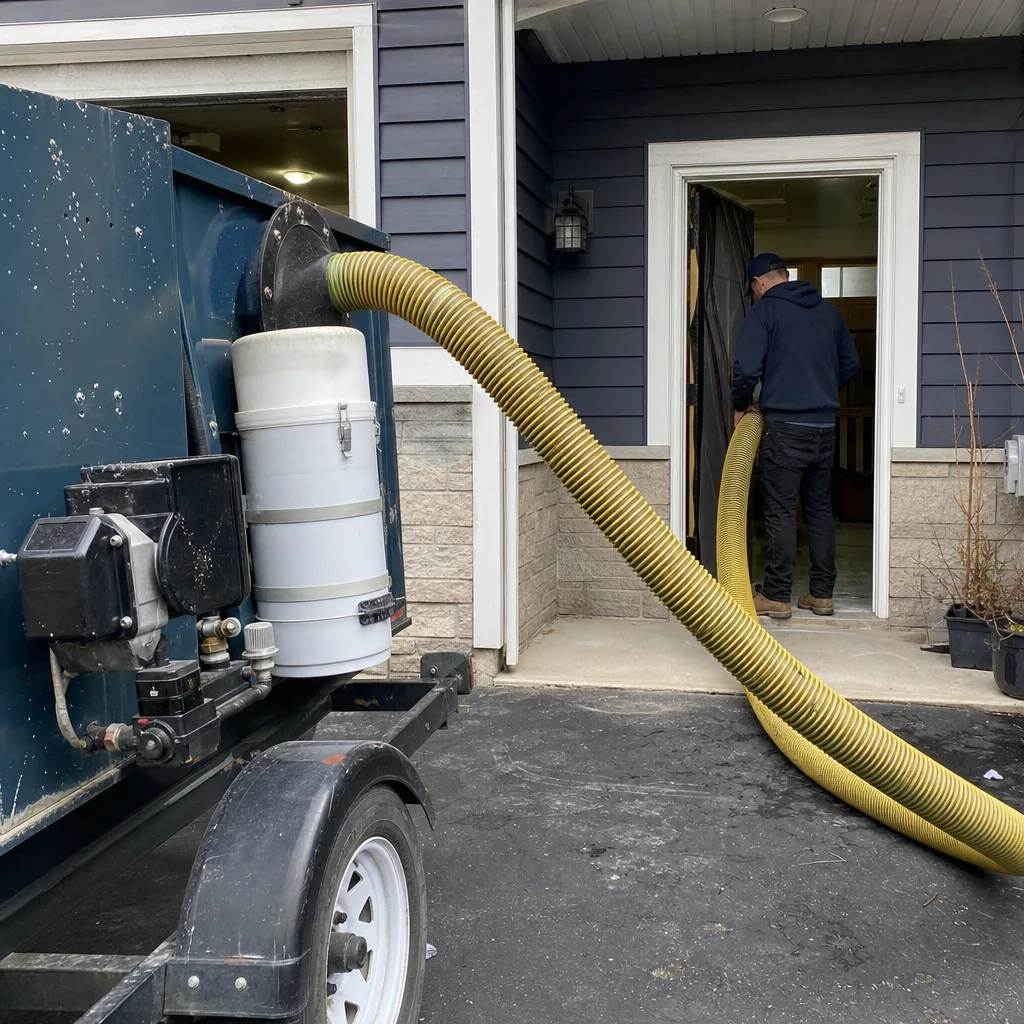
- Cleaning removes load before AC seals it. Negative-pressure extraction (suction-based debris removal using a high-powered vacuum connected to the duct system) pulls winter accumulation and early pollen before the first condensation cycle glues it to fins.
We’ve documented this timing advantage in our photo records. Jobs performed in April show predominantly dry, loose debris that extracts efficiently. Jobs performed in July, after six weeks of AC operation, show compacted, damp matter at the coil plenum - the box that connects the air handler to the ductwork - requiring more aggressive agitation and longer vacuum cycles to achieve the same result.
The cost implication is direct: same system, same square footage, April cleaning typically requires 30-40% less technician time at the coil interface than July cleaning. For homeowners scheduling proactively, this efficiency translates to more thorough cleaning within the same flat-price scope.
Seasonal Filter Strategy: MERV Ratings and Static Pressure Tradeoffs
Filter selection is where most homeowners create problems trying to solve them. Higher MERV ratings catch smaller particles but increase static pressure - the resistance the blower must overcome to move air. Excessive static pressure reduces airflow, strains the blower motor, and can cause the evaporator coil to freeze in AC mode or the heat exchanger to overheat in heating mode.
Our recommendation for Naperville homes, based on equipment we’ve serviced and the local particulate load:
| Season | Recommended MERV | Rationale | Static Pressure Check |
|---|---|---|---|
| Winter (Dec-Feb) | MERV 8-11 | High furnace runtime, road salt and combustion particulate at peak; balance capture with airflow | Check monthly; replace when pressure drop exceeds 0.5″ w.c. on manometer |
| Spring (Mar-May) | MERV 11-13 | Pollen peak; highest biological load of year; acceptable to trade some static pressure for capture during moderate HVAC runtime | Check every 3 weeks during pollen peak; watch for ice on coil |
| Summer (Jun-Aug) | MERV 8 | Maximum blower runtime; priority is airflow and motor longevity; humidity control matters more than filtration | Check monthly; replace when frame distorts from moisture |
| Fall (Sep-Nov) | MERV 8-11 | Moderate runtime, leaf mold spores; standard pleated adequate | Check before first heating cycle; replace if summer load visible |
The static pressure measurement matters. We carry digital manometers on every CleanRun truck and measure pressure drop across the filter rack as part of our standard pre-cleaning assessment. Homeowners can request this reading - Haven Standard Clause 1 requires written documentation of system condition before pricing, and pressure drop is part of that record. If your filter frame is bending or your blower is louder than last season, the filter is too restrictive for your system’s design.
One Naperville-specific note: homes near the I-88 construction zone or ongoing development along 75th Street experience elevated fine particulate from diesel equipment and disturbed soil. These homeowners may need MERV 11 year-round but should verify their blower can handle the load. A system designed for MERV 8 with a standard PSC blower motor will not perform reliably on MERV 13 without modification.
What Summer Humidity Does to Flex Duct in Naperville Homes
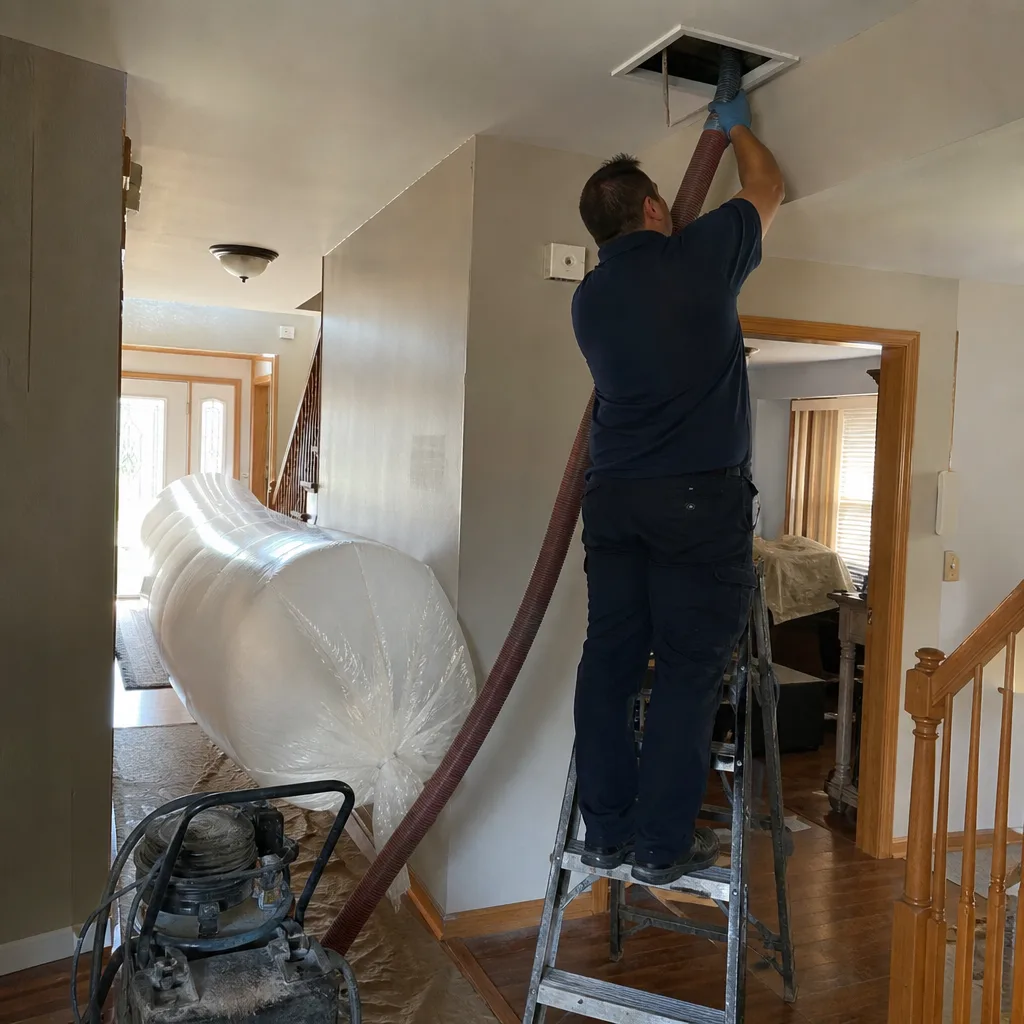
Flex duct - the insulated flexible tubing common in Naperville homes built 1975-2005 - has a vapor barrier outer layer designed to prevent ambient moisture from reaching the fiberglass insulation between the inner liner and outer jacket. When this vapor barrier degrades, summer humidity in unconditioned spaces creates a predictable failure pattern.
The mechanism: humid attic air (70% relative humidity at 95°F contains significant moisture) contacts the cooler duct surface. Without an intact vapor barrier, moisture migrates into the insulation, where it condenses on the inner liner during AC operation. The liner adhesive - typically a water-based compound - re-emulsifies and loses bond. The liner sags, creating turbulent airflow pockets where debris accumulates, and eventually delaminates entirely, depositing fiberglass and adhesive residue into the airstream.
Visual signs at the register (the visible grille where air enters the room):
- Dark staining or water marks on the ceiling around the register boot - indicates active condensation at the duct-to-register connection
- Visible fiber accumulation on register vanes - shimmering strands that wipe away but return within days
- Uneven airflow: some registers strong, others weak - suggests liner sag creating blockages in branch runs
- Musty odor at startup that diminishes after several minutes - microbial growth in damp insulation, flushed by initial airflow
We’ve found this pattern most frequently in Cress Creek, Tall Grass, and Springbrook subdivisions, where homes of that vintage have original ductwork in vented attics. The 2021 International Energy Conservation Code (IECC) updates adopted by Naperville require sealed attic assemblies or conditioned attics in new construction, but existing homes remain vulnerable.
Repair options range from spot liner replacement using Guardsman-approved encapsulant to full duct replacement with rigid metal and external insulation. We photograph the damage, measure the extent, and provide a written scope with pricing before any work begins - Haven Standard Clause 1, no exceptions.
Month-by-Month Duct Care Reference Card
This reference ties homeowner actions to seasonal duct system behavior. Print it, add calendar reminders, or use it to build your maintenance budget, and explore Air Duct Cleaning Maintenance Checklist for Naperville Homeowners for a step-by-step framework.
| Month | Homeowner Action | System Behavior | Professional Service Indicator |
|---|---|---|---|
| January | Check filter; verify no ice on intake pipes | Peak heating load; maximum air recirculation | Unusual odors at startup; visible soot at registers |
| February | Replace filter if pressure drop visible | Road salt load at maximum; dry air | Static pressure reading above 0.5″ w.c. |
| March | Schedule April cleaning appointment | Furnace cycles declining; transition prep | Booking window opens; avoid May rush |
| April | Replace filter to MERV 11-13; inspect outdoor condenser | First pollen arrival; coil still dry | Optimal cleaning window: late April |
| May | Monitor coil for ice; verify condensate drain flow | AC startup; pollen peak; first condensation | Water at indoor unit; reduced airflow |
| June | Verify attic access sealed; check for duct sweating | Extended AC runtime; attic heat peak | Visible moisture on duct jacket; musty odors |
| July | Replace filter; check blower amp draw if accessible | Maximum annual runtime; highest utility bills | Blower noise increase; hot spots in home |
| August | Inspect visible duct in basement for sag or damage | Thermal cycling stress on flex duct | Visible liner separation; fiber at registers |
| September | Replace filter; prepare for heating transition | Runtime declining; leaf mold spore increase | Odor at first heating cycle; allergy symptoms |
| October | Test furnace startup; verify carbon monoxide detector function | First sustained heating; spore distribution | Delayed ignition; rollout flame; any CO alarm |
| November | Replace filter; inspect humidifier if equipped | Heating dominant; indoor air drying | Static pressure jump with new filter type |
| December | Verify no obstruction at exterior vents; check for ice damming | Peak heating; holiday cooking load on kitchen exhaust | Dryer vent backup; extended dry times |
The April appointment scheduling in March is intentional. Our calendar fills predictably: 40% of annual duct cleaning requests arrive in October-November, and another 35% in July after AC performance complaints. The March-April window offers scheduling flexibility and ensures the work happens before the coil becomes a sticky trap.
What Air Duct Cleaning Costs in Naperville and What Affects Price
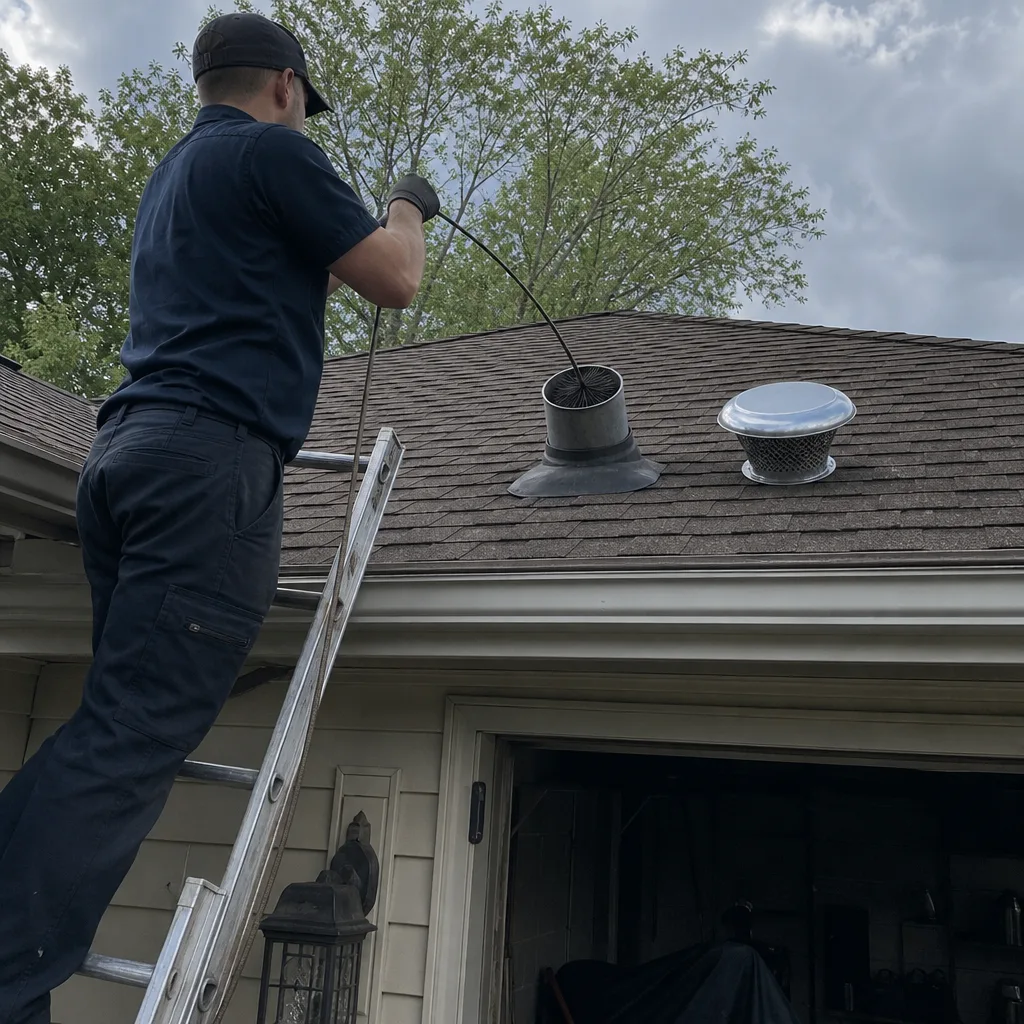
Whole-system air duct cleaning for a typical Naperville home - 2,000-3,500 square feet, single furnace, 12-20 duct runs - ranges from $450 to $850; see our Air Duct Cleaning Cost Breakdown: The Naperville Homeowner’s Reference for 2026 for full pricing variables. The price depends on system configuration, accessibility, and condition, not on the number of vents. We price per system, not per vent, because per-vent pricing incentivizes cutting corners on difficult runs.
Factors that move price within this range:
- System count: Homes with zoning or multiple furnaces (common in larger Naperville homes with finished basements) require separate cleaning scopes
- Duct material: Rigid metal cleans faster than flex duct with degraded liner; metal duct with internal insulation (duct board) requires specialized agitation tools
- Accessibility: Furnace in a cramped closet versus open basement; attic ducts requiring crawl access
- Contamination level: Heavy debris, pest evidence, or post-construction cleanup require extended vacuum time and additional protective measures
- Add-on services: Dryer vent cleaning ($150-$250), coil cleaning ($200-$350), or sanitizing treatment using EPA-registered products
What we include at every price point: written scope before work begins, negative-pressure extraction with Rotobrush or Nikro equipment (selected based on duct type), agitation at each register and return, and a Documented Photo Record of every duct run delivered as part of the job record. The 365-Day Done Right Promise applies to all work - if the photo record or system performance indicates incomplete cleaning, we return and correct it at no charge.
We do not offer $79 coupons. That price covers approximately 45 minutes of technician time with a shop vacuum and a brush, which is not negative-pressure extraction and produces no photo record. The industry term is “blow-and-go,” and it leaves debris in place while disturbing enough to increase airborne particulate temporarily.
How to Choose a Duct Cleaning Provider in Naperville
The CleanRun Air Duct Cleaning Naperville home page lists our full credentials, but these are the verification steps any homeowner should take, with any provider:
- Request equipment specifics. Negative-pressure extraction requires a vacuum unit generating minimum 5,000 CFM at the duct connection. Ask for brand and model - we use Rotobrush and Nikro systems, with Abatement Technologies HEPA filtration on jobs requiring containment. Verify the equipment exists and is on the truck, not subcontracted.
- Demand photo documentation. Before-and-after photos of your actual duct runs, not stock images. Our Documented Photo Record is standard on every visit, delivered with the invoice. If a provider cannot show you photos from last week’s jobs, they are not photographing.
- Verify written pricing. Haven Standard Clause 1: written price before any work starts. Verbal estimates that “might change” based on what they find are a structural invitation to upsell. Our price is fixed per system scope; if we encounter unexpected conditions (collapsed duct, pest infestation), we photograph, stop, and present a revised written scope - never a surprise invoice.
- Check technician verification. Haven Standard Clause 3: Verified Crews. Background-checked, uniformed, identified by name before arrival. We text technician name and photo 30 minutes before arrival. If a provider sends whoever is available that day without verification, that’s a liability exposure.
- Confirm warranty in writing. The 365-Day Done Right Promise is printed on every invoice. Policies “subject to manager review” or “at our discretion” are not guarantees.
For Air Duct Cleaning in Naperville specifically, verify familiarity with local conditions: knowledge of Naperville’s hard water and its effect on humidifier pads, recognition of the 2012 flood zone impact on basement duct in neighborhoods near the DuPage River, understanding of local permit requirements for duct modification. These details separate local operators from national booking services dispatching from call centers.
Common Mistakes to Avoid
- Scheduling by calendar, not by system condition. “Every three years” ignores seasonal loading. A home near active construction on 95th Street with three pets needs different timing than a townhouse with no trees and no animals.
- Buying the highest MERV filter available. MERV 16 in a system designed for MERV 8 reduces airflow, freezes coils, and cracks heat exchangers. The filter should match blower capacity, not aspiration.
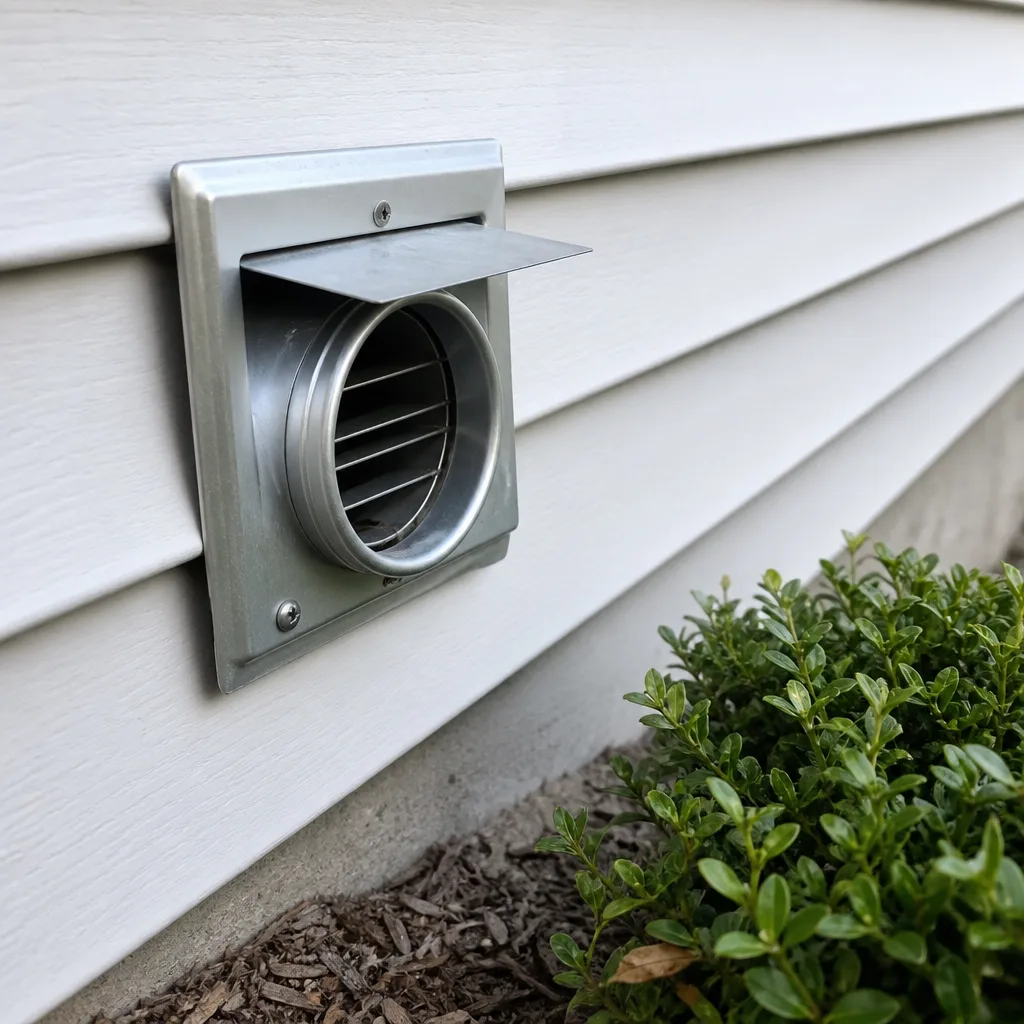
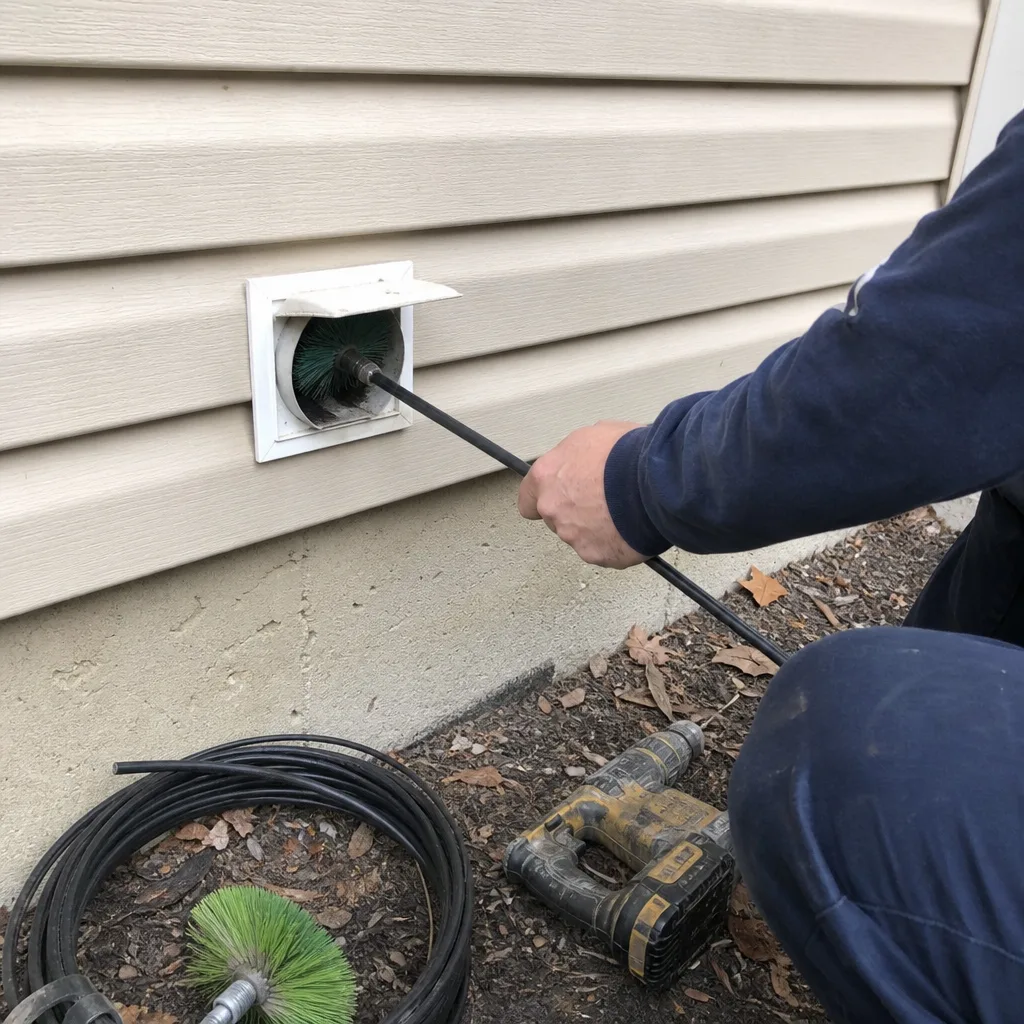
- Ignoring the dryer vent. Dryer Vent Cleaning in Naperville is separate from duct cleaning and more urgent - lint accumulation is combustible, and the 2021 NFPA data shows dryer fires peak in January when heavy fabrics increase lint load.
- Accepting per-vent pricing. Per-vent quotes incentivize skipping difficult runs. A system with 15 vents and a complex branch to a second-floor addition will be under-served if the technician is paid by vent count.
- Cleaning after, not before, AC season. July cleaning removes debris that’s already been baked onto the coil by six weeks of condensation. The mechanical benefit is reduced, and the coil may need separate chemical treatment.
- Neglecting return ductwork. The return side - where air is pulled back to the furnace - is often dirtier than supply ducts because it has no filter protection between the register and the main trunk. Some providers clean only supply registers because they’re visible.
- Trusting “sanitizing” as a substitute for cleaning. EPA-registered sanitizers reduce microbial load on clean surfaces. Applied to dirty ducts, they encapsulate debris without removing it. Clean first, then evaluate whether sanitizing is warranted.
When to Call a Professional
Call for assessment when you observe: visible debris at registers that returns after cleaning; persistent musty odor at system startup; uneven heating or cooling between rooms; ice formation on the refrigerant lines; or water stains near duct boots. These symptoms indicate conditions beyond filter maintenance.
Call urgently for: carbon monoxide detector alarm; burning smell from registers; or visible flame rollout from the furnace cabinet. These are safety hazards requiring immediate HVAC technician response, not duct cleaning.
For scheduled duct cleaning, HVAC Cleaning in Naperville, or system assessment, CleanRun Air Duct Cleaning Naperville offers free estimates in Naperville - call (331) 236-5490. Every estimate includes a written price, system pressure reading, and explanation of what we expect to find based on your home’s age, location, and visible symptoms. No commitment required.
Frequently Asked Questions
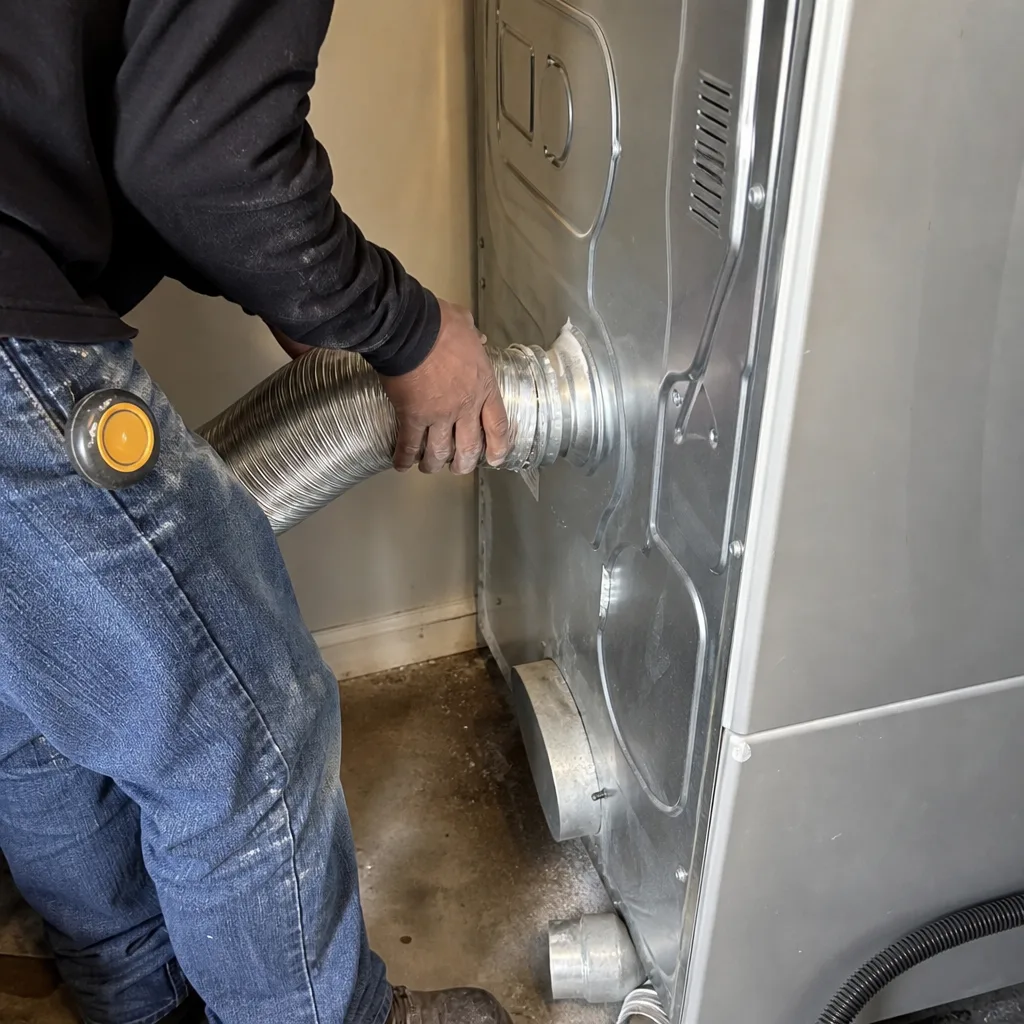
Whole-system cleaning for a typical Naperville home runs $450-$850 depending on system size, duct material, and contamination level. Two-furnace homes or those with finished basements and extended duct runs may exceed this range. We deliver a written price before any work starts - call (331) 236-5490 for an exact quote; estimates are free.
Low quotes typically reflect limited scope: no return-side cleaning, no photo documentation, shop-vacuum equipment rather than negative-pressure extraction, and per-vent pricing that excludes difficult runs. The $79-$129 range covers approximately 45 minutes of technician time. Our flat-price system scope includes every run, before-and-after photography, and the 365-Day Done Right Promise. The difference is verifiable in the photo record.
Request a documented photo record of every duct run, timestamped and labeled by location. Our standard deliverable includes these images with the invoice. If a provider cannot produce photos from recent jobs or offers only a “certificate of cleaning,” the work is unverified. Visual evidence is the only proof that matters.
Most Naperville homes benefit every 2-3 years with standard fiberglass filters and no unusual conditions. Homes with pets, allergy-sensitive occupants, recent construction, or proximity to high-traffic corridors like Route 59 may need annual service. The correct interval is determined by photo inspection, not calendar - we offer free visual assessment to establish your baseline.
Homeowners can maintain registers and replace filters, but negative-pressure extraction of the full duct system requires equipment that generates sufficient airflow to prevent debris redistribution. More critically, ductwork in Naperville homes often contains flex duct with degraded liner, electrical connections near the plenum, and asbestos-containing duct sealant in pre-1985 homes. Disturbing these without assessment creates hazard. We recommend professional evaluation before any internal duct access.
Cleaning improves efficiency when airflow restriction is the limiting factor. A 2022 study by the National Air Duct Cleaners Association found average system efficiency improvement of 11% post-cleaning in systems with visible debris accumulation exceeding 0.5 inches. The effect is smaller in clean systems. The more reliable efficiency gain comes from coil cleaning and leak sealing, which we assess and quote separately when indicated.
Duct cleaning addresses the distribution network - the trunk lines, branches, and registers that move air. HVAC Cleaning in Naperville includes the air handler components: blower wheel, evaporator coil, heat exchanger, and condensate system. A complete service addresses both, but they are distinct scopes with different equipment and time requirements. We scope each separately with written pricing for both.
The Bottom Line
Naperville’s four-season climate creates a predictable debris cycle in residential ductwork: winter road salt and combustion byproducts, spring pollen before AC startup, summer humidity and insulation degradation, fall mold spore distribution. The homeowner who understands this pattern can schedule cleaning in late April, after winter’s full load has accumulated but before summer humidity seals it against the coil - the point of maximum mechanical benefit per dollar spent. Filter selection should vary seasonally with attention to static pressure tradeoffs. Flex duct in homes built 1975-2005 requires visual inspection for humidity damage, particularly in unconditioned attics. Documentation - written price, photo record, written warranty - separates accountable work from marketing claims. We’ve built our practice on these principles since 2013, and the 52,000+ homes in our records show the results. For more guides & resources, difference that verifiable process makes.
Written by Tomas Reyes, Owner at CleanRun Air Duct Cleaning Naperville, serving Naperville since 2013.