
Last updated September 23, 2026
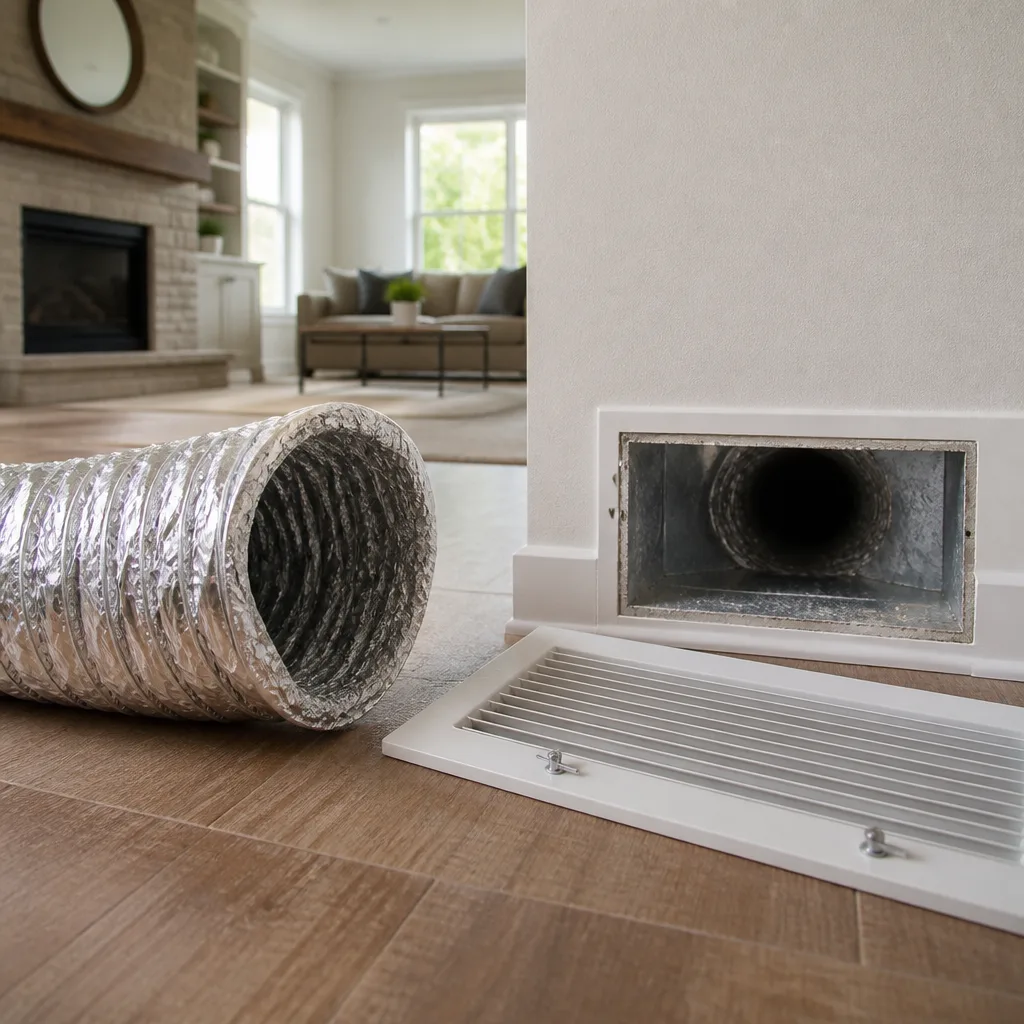
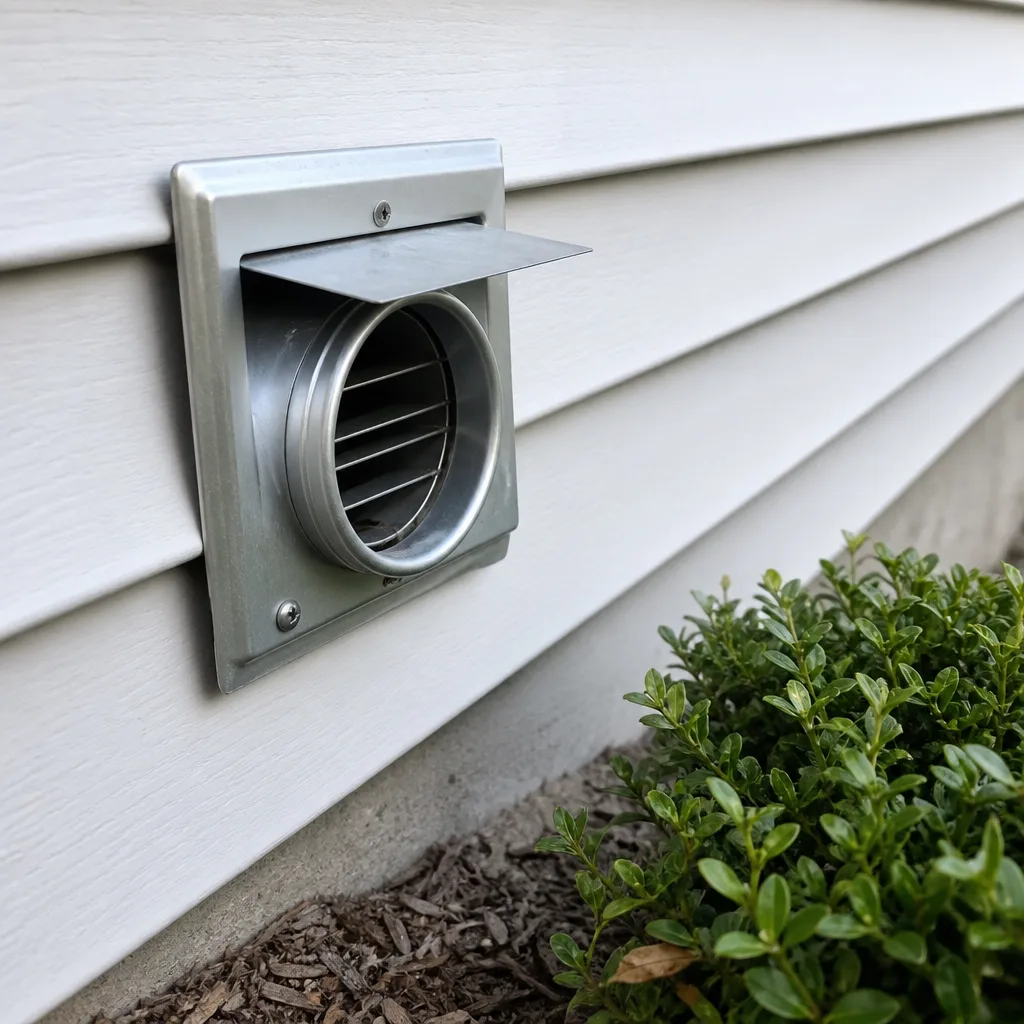
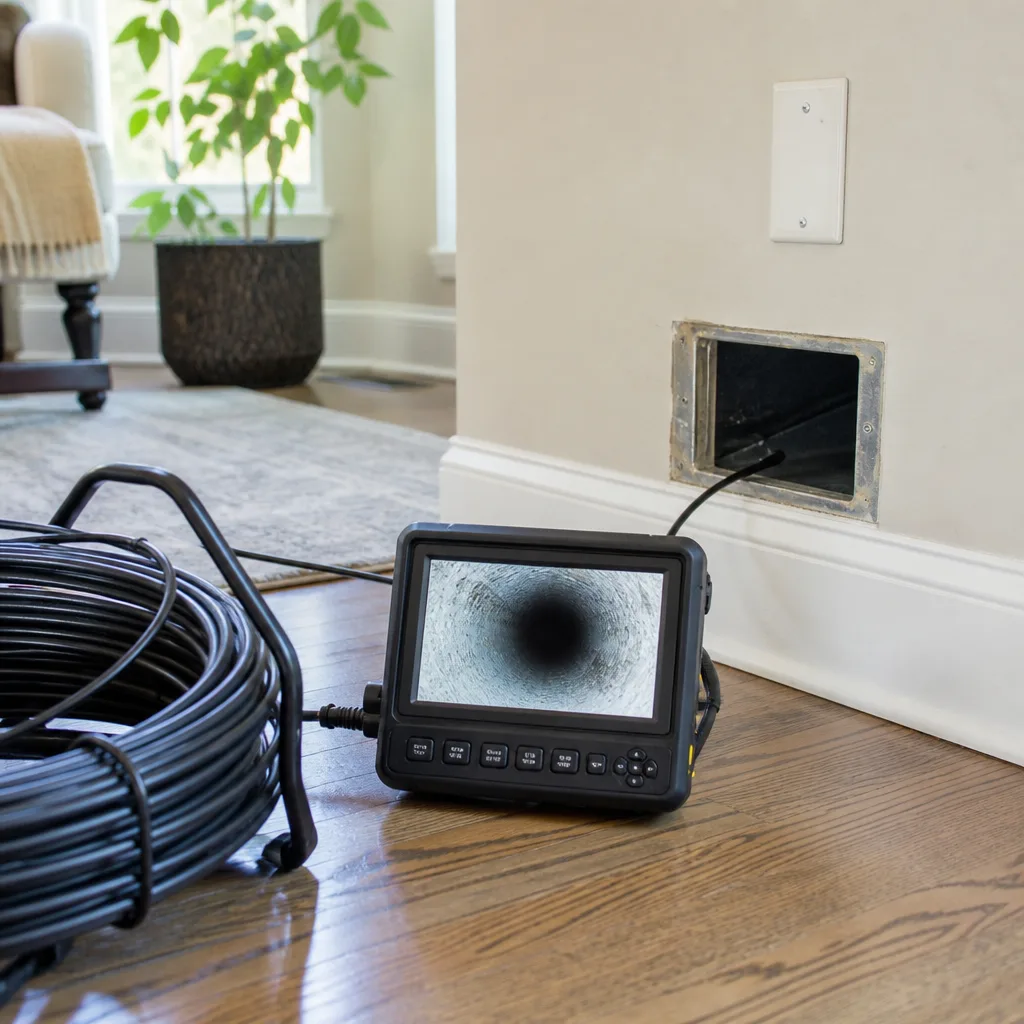
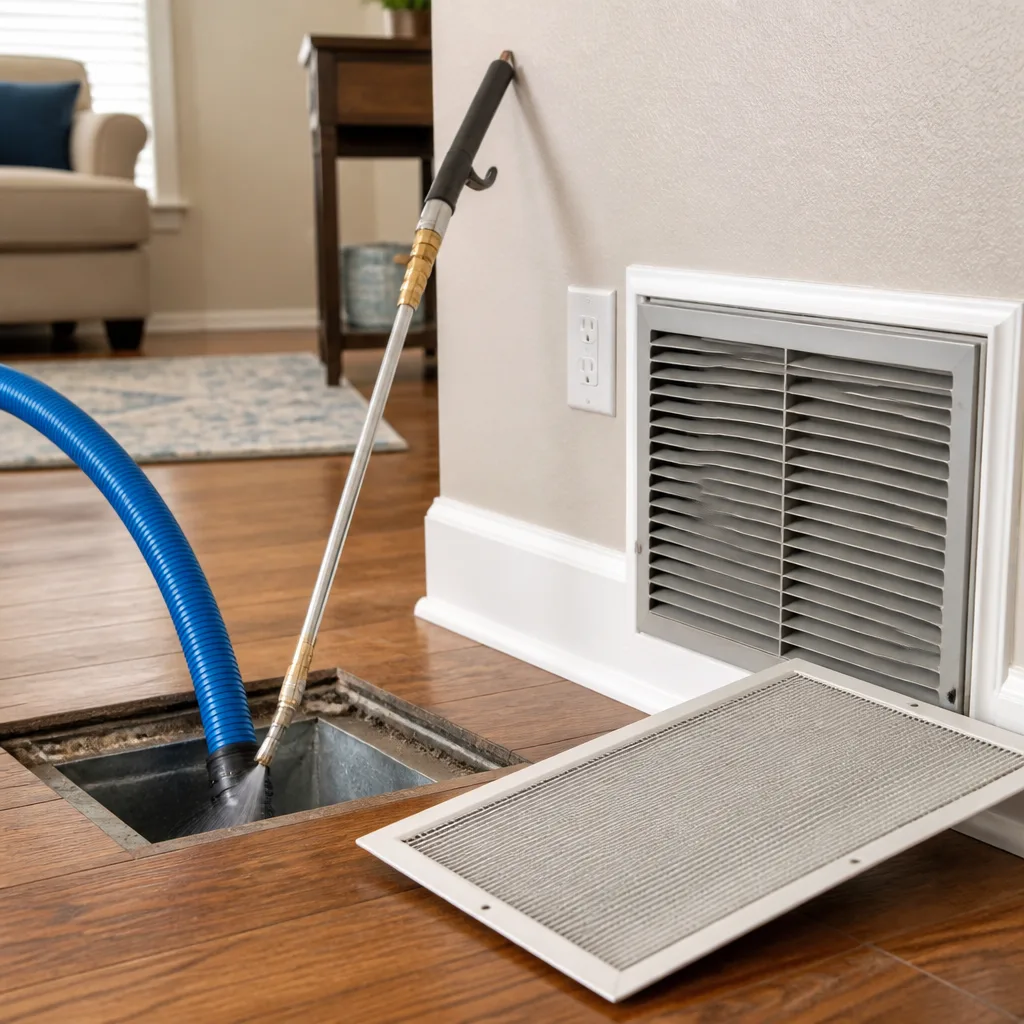
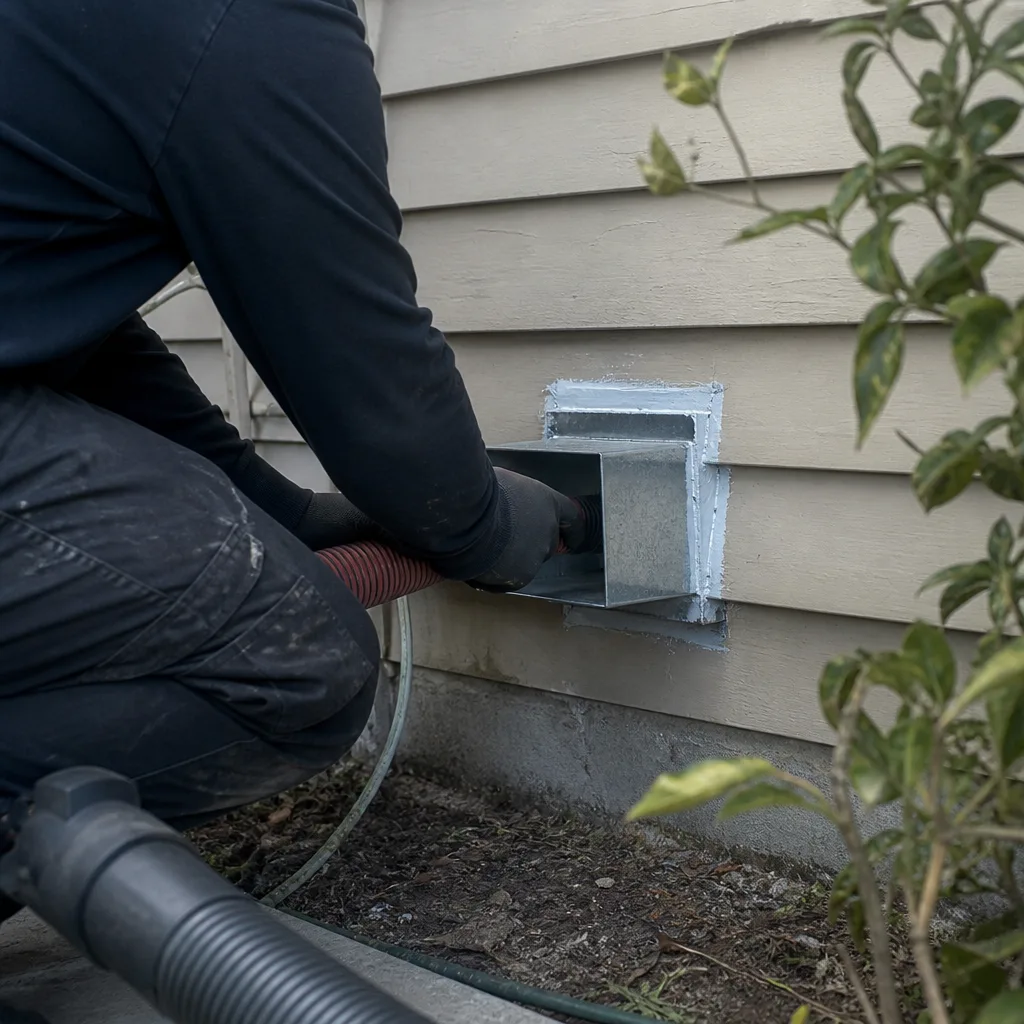
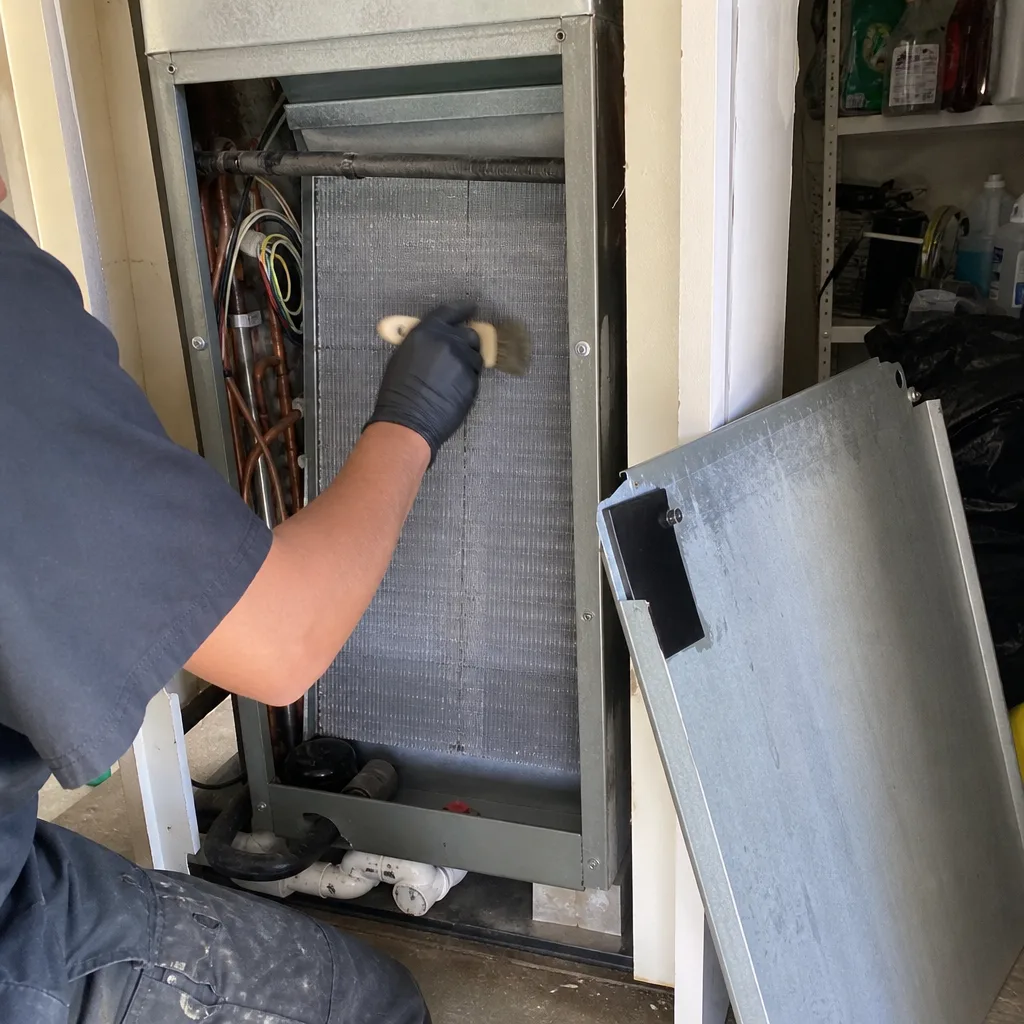
Whole-system duct and dryer vent check with before-and-after photos - you see exactly what came out of your vents
That "$99 whole-house special" is a bait ad - the real number appears once they are in your hallway, or the "clean" is a shop-vac at the register. We photograph the inside of your ducts before and after instead.
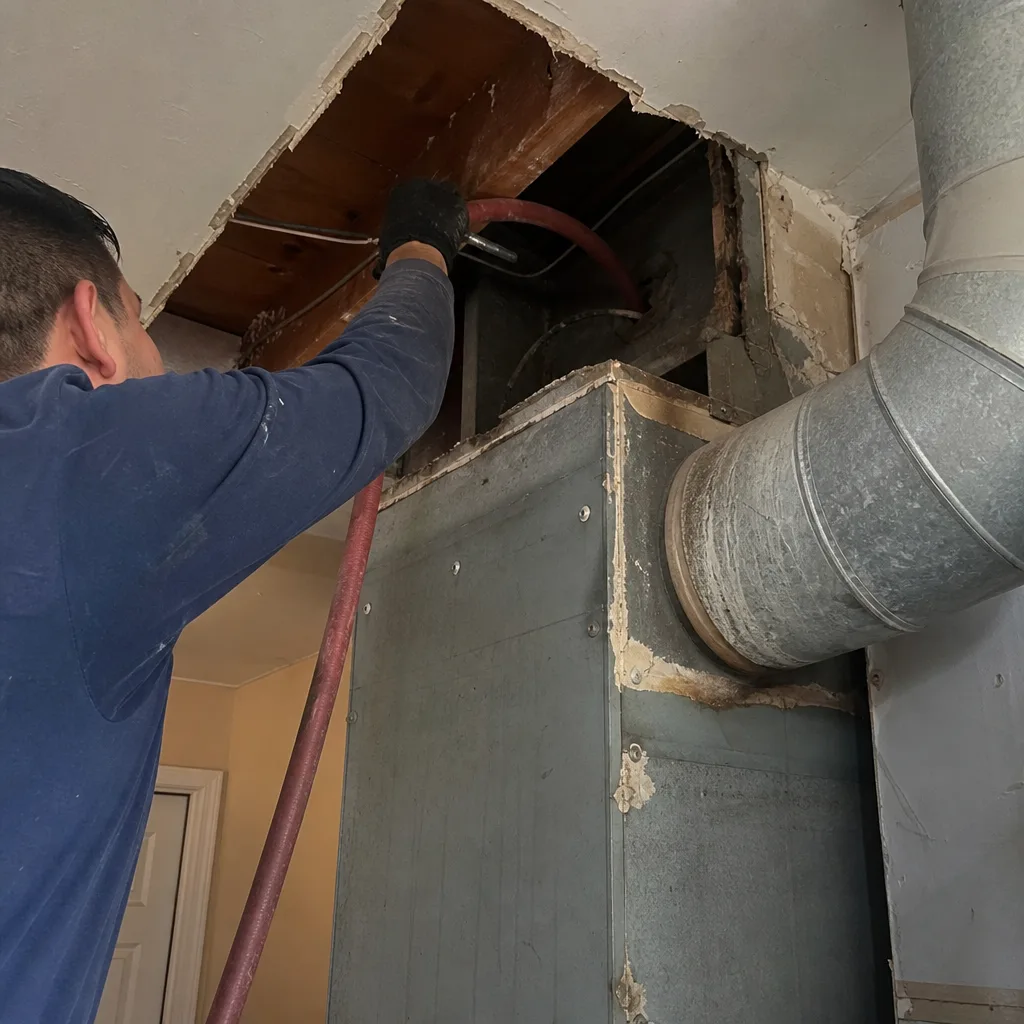 Before
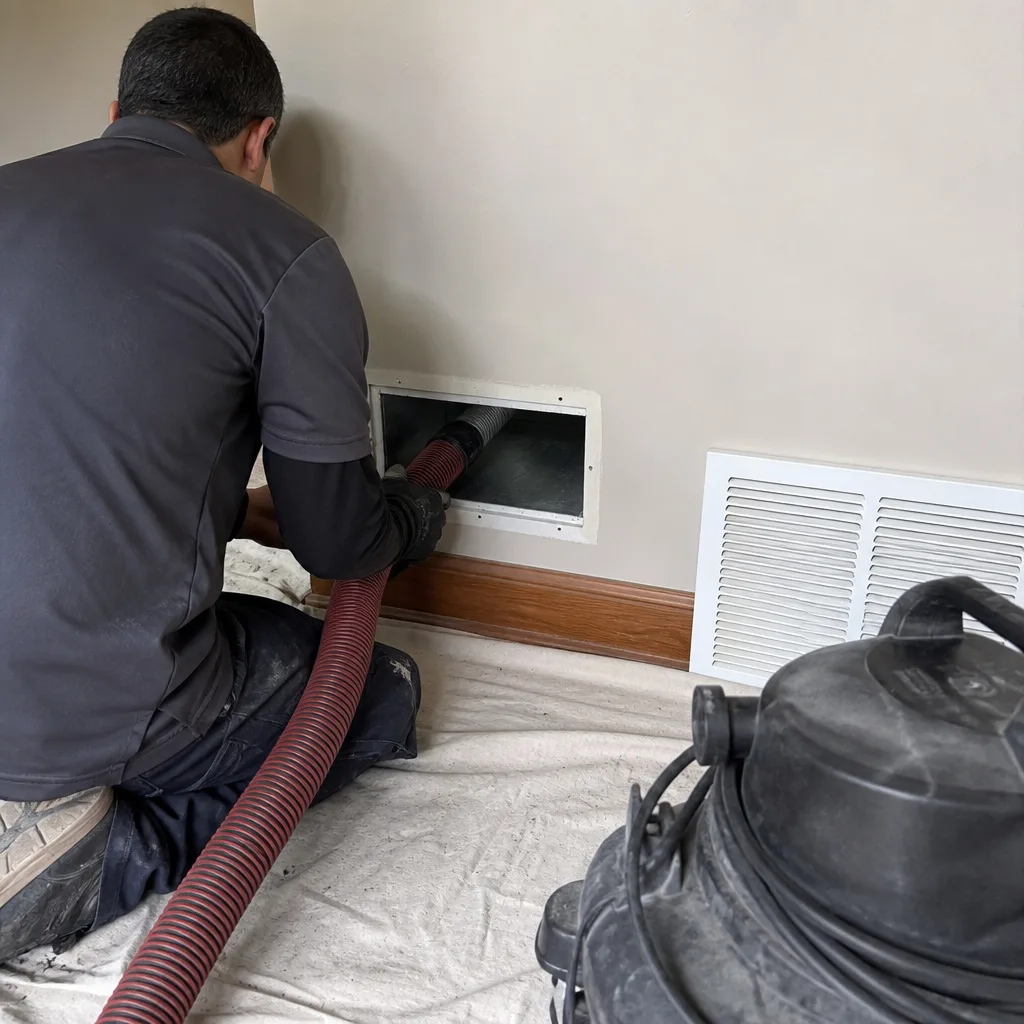 After
After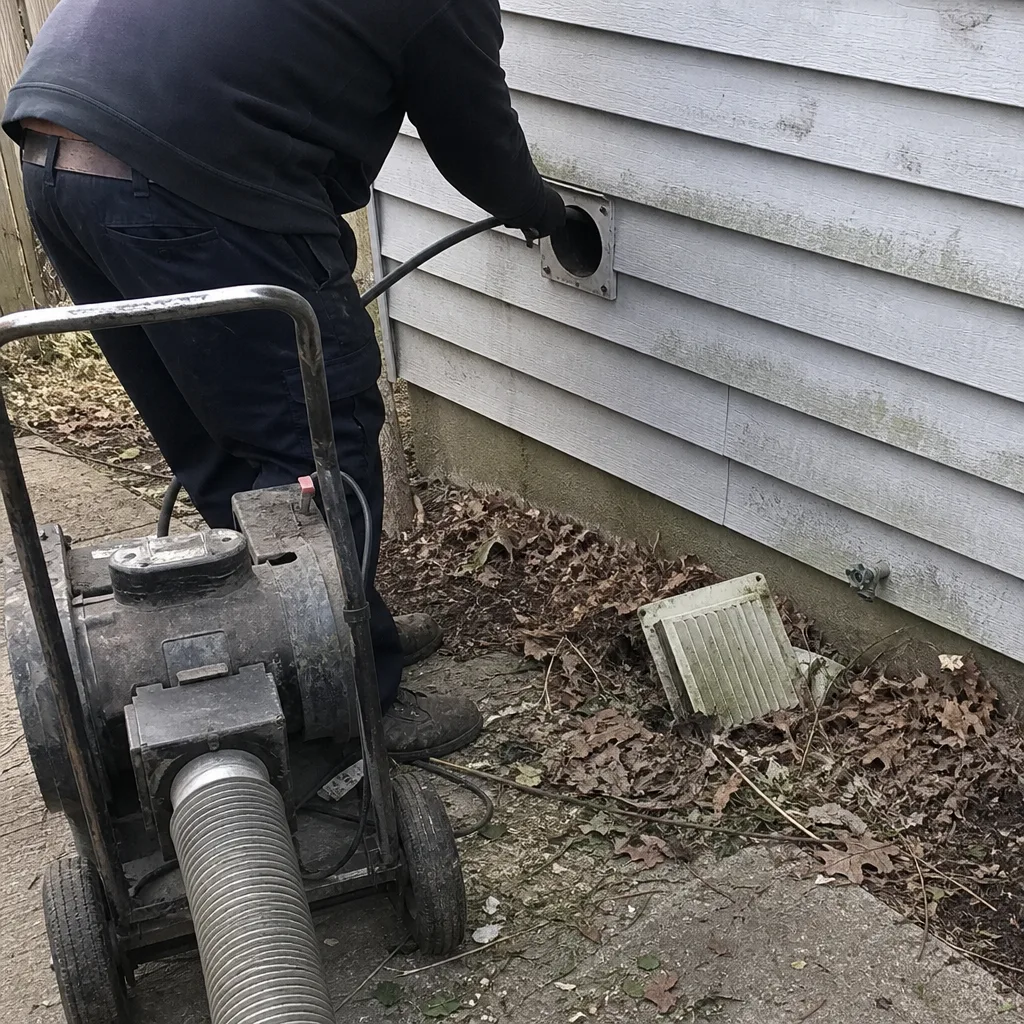 Before
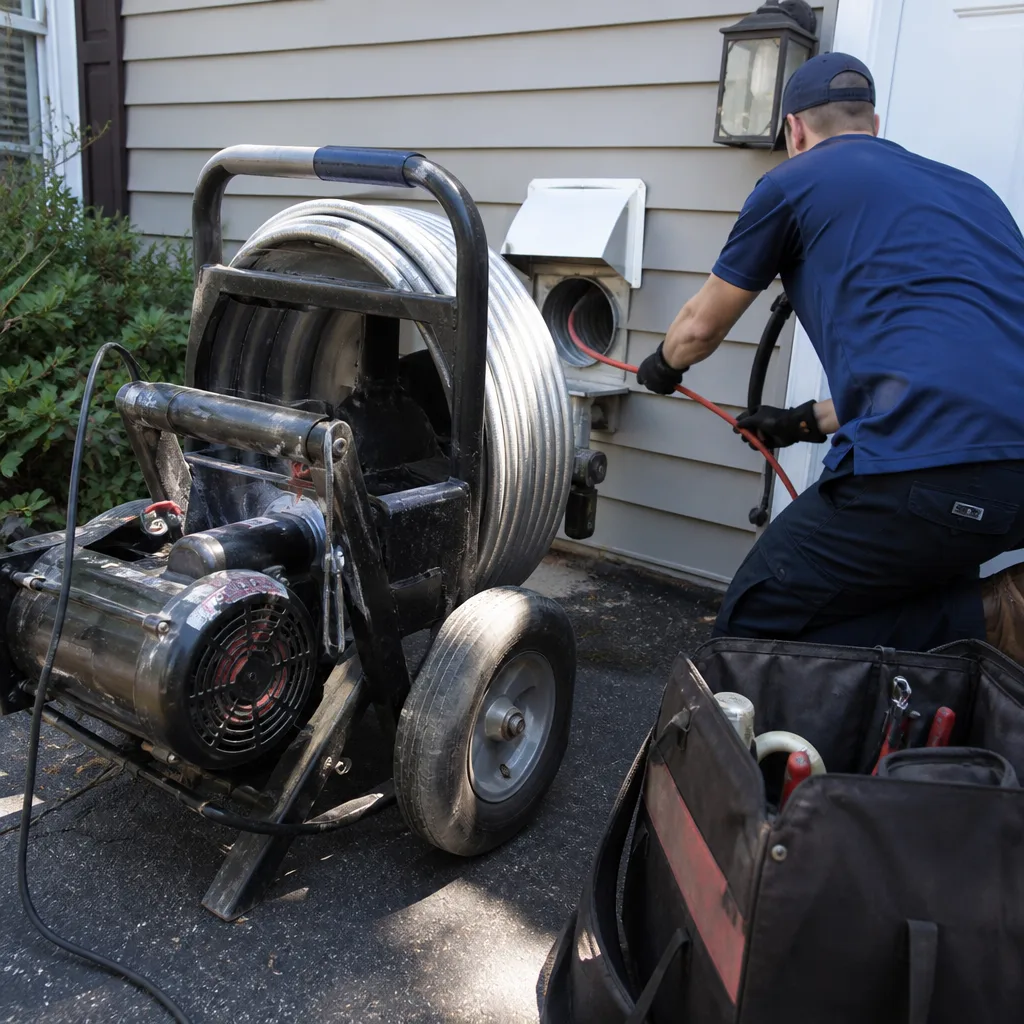 After
After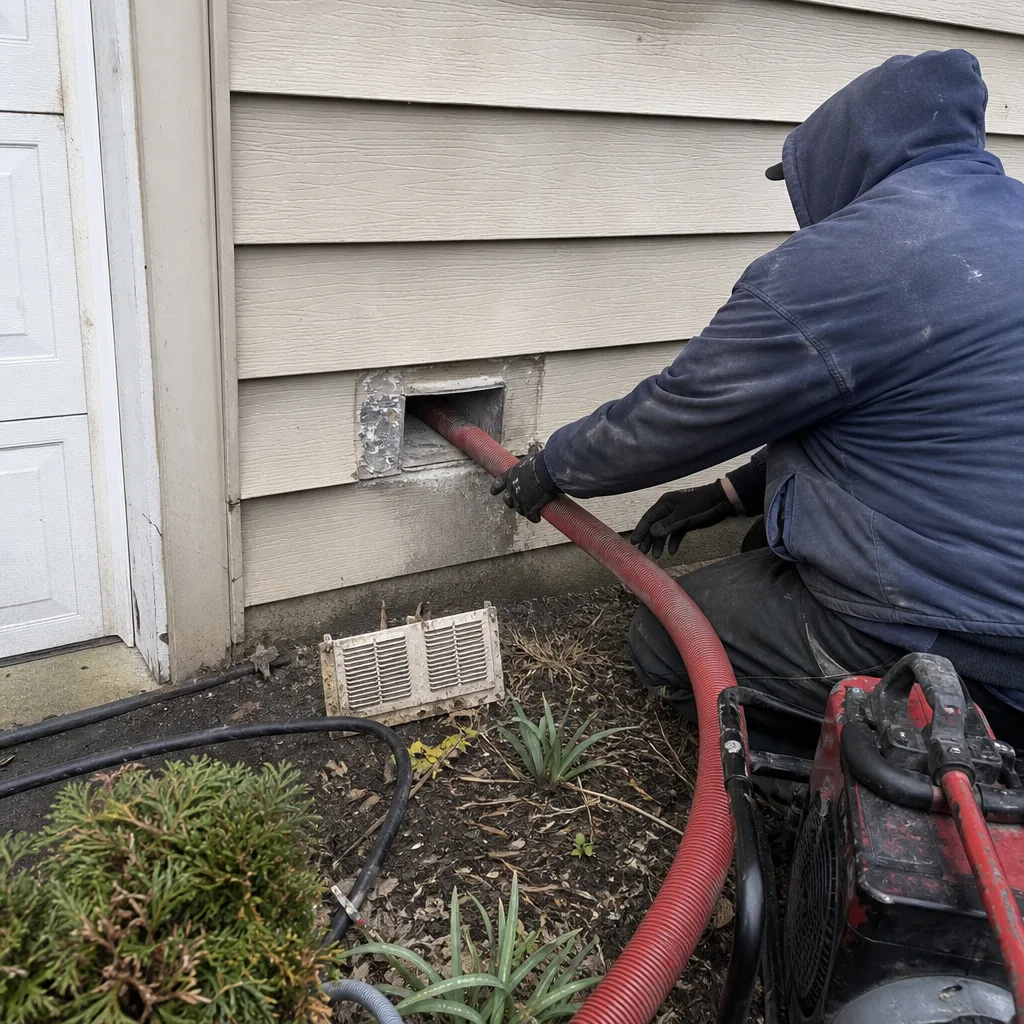 Before
 After
AfterAir Duct Cleaning Permits, Codes & Inspections in IL: What You Need to Know
Illinois does not license air duct cleaners. There is no state permit required to enter a home, connect equipment to your HVAC system, and charge $500. Understanding what that means - and what industry standards fill the gap - is the only consumer protection available. In Naperville, where homes built between 1995 and 2010 dominate the market and many HVAC systems are approaching their third decade of service, this regulatory void matters more than most homeowners realize. This guide - along with our The Complete Guide to Air Duct Cleaning in Naperville - explains exactly what rules do and don’t apply, when a permit actually becomes necessary, and how to build your own enforceable standard into a written contract.
Quick Answer
Air duct cleaning in Illinois requires no state license, no permit, and no inspection - the work is entirely unregulated at the state level. However, if cleaning reveals damaged ductwork that requires replacement or modification, that repair work falls under HVAC contractor licensing and may trigger local permitting requirements, especially in Naperville where building codes align with the International Mechanical Code. The only enforceable quality standard is the one you put in writing.
Table of Contents
- The Illinois Licensing Landscape: What Exists and What Doesn’t
- NADCA Standard ACR 2021: The Industry Benchmark That Isn’t Law
- When Duct Work Actually Requires a Permit in Illinois
- Naperville Building Codes and HVAC Inspection Triggers
- Building Your Own Enforceable Standard: What to Require in Writing
- Professional Equipment and Methods: What the Standard Actually Describes
- Red Flags: How Unregulated Contractors Cut Corners
- Common Mistakes to Avoid
- When to Call a Professional
- Frequently Asked Questions
- The Bottom Line
BeforeAfterThe Illinois Licensing Landscape: What Exists and What Doesn’t
Illinois regulates HVAC contractors through the Department of Financial and Professional Regulation. A licensed HVAC contractor can install, repair, and modify ductwork. That license requires 4 years of documented experience, passage of a trade exam, and proof of insurance. What it does not cover is duct cleaning as a standalone service.
The gap is specific and consequential. A technician with no HVAC license, no apprenticeship, and no trade education can legally purchase a portable vacuum, print business cards, and market duct cleaning services anywhere in Illinois including Naperville. The state does not require:
- A dedicated duct cleaning license or certification
- Registration with any state board
- Proof of equipment capability or calibration
- Continuing education in HVAC systems or indoor air quality
- Liability insurance (though general business registration may apply)
We’ve seen the results in Naperville homes, particularly in subdivisions like Ashbury and Tall Grass where 1990s-era flex duct runs have accumulated decades of debris - one reason we published our Air Duct Cleaning Warning Signs: A Naperville Homeowner’s Reference Guide. In 2019, a homeowner in the White Eagle neighborhood showed us a “cleaning” performed by an unlicensed operator who had run a shop vacuum at each register for 45 minutes and charged $189. The camera showed the main trunk line still packed with debris. No law was broken. The homeowner’s recourse was limited to small claims court, where the absence of a written scope made enforcement nearly impossible.
The HVAC contractor license matters when work crosses from cleaning into repair or modification. If a technician discovers disconnected ductwork, corroded plenum sections, or failed sealing during cleaning, any repair work legally requires a licensed HVAC contractor. Many unregulated cleaners perform this work anyway, creating both code violations and insurance complications if damage occurs.
For homeowners, the practical implication is stark: the credential you should verify depends entirely on what work will actually be performed. Cleaning alone has no credential. Repair or modification requires the HVAC license. Any contractor who blurs this distinction in their proposal is creating liability you may not discover until resale or insurance claim.
NADCA Standard ACR 2021: The Industry Benchmark That Isn’t Law
The National Air Duct Cleaners Association publishes Standard ACR 2021, the Assessment, Cleaning, and Restoration of HVAC Systems. It is the most widely referenced quality benchmark in the industry. It is also not law in Illinois, not adopted by reference in Naperville municipal code, and not enforceable by any state agency.
This distinction matters because contractors frequently cite “NADCA certified” or “follows NADCA standards” as if these phrases carry regulatory weight. They do not. NADCA is a trade association with a membership model. Its certification program, the Air Systems Cleaning Specialist credential, is voluntary and maintained through continuing education. A contractor can advertise NADCA membership without employing a single certified technician.
What ACR 2021 actually specifies is useful for homeowners who understand its limits. The standard defines:
- System inspection before cleaning - a visual assessment of ductwork condition, access points, and potential contamination sources, documented in writing.
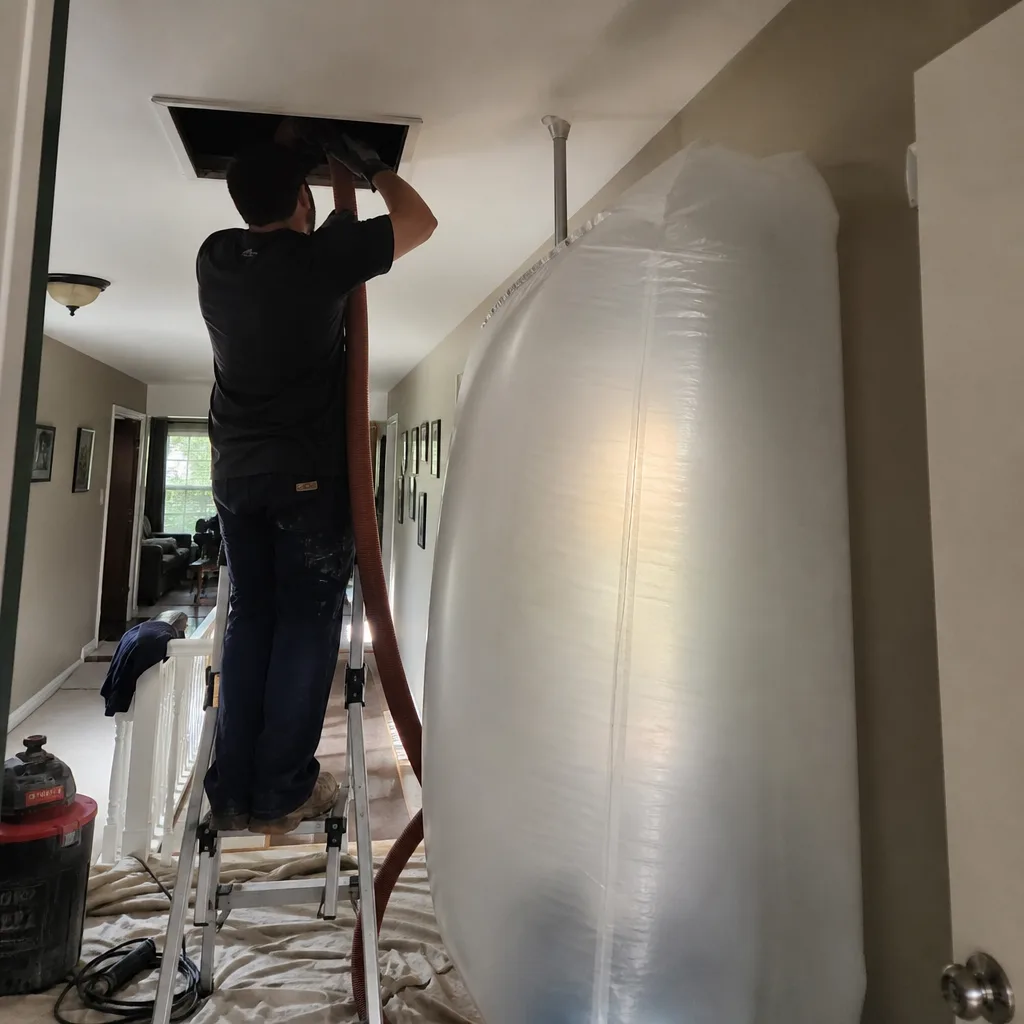
- Containment of the work area - negative-pressure extraction that prevents debris migration into occupied spaces during cleaning.
- Mechanical agitation - physical disturbance of debris so vacuum extraction can remove it, not merely surface contact.
- Post-cleaning verification - visual or photographic documentation showing the condition of each cleaned duct run.
- Protection of HVAC components - safeguards for coils, motors, and electronic controls during the cleaning process.
These requirements describe what professional-grade work looks like. They do not create a legal obligation. A homeowner’s only mechanism for enforcing ACR 2021 compliance is to write specific provisions into their service contract and demand documentation that proves each step was performed.
At CleanRun Air Duct Cleaning Naperville home, we treat ACR 2021 as a contractual floor, not a ceiling. Haven Standard Clause 1 requires a written price and written scope before work begins - which includes the specific duct runs to be cleaned, the equipment to be used, and the documentation to be delivered. Haven Standard Clause 4, the Documented Photo Record, exceeds ACR 2021’s post-cleaning verification by photographing every duct run before and after, with timestamps, as a standard deliverable included in every job since 2013. We’ve served over 52,000 homes with this protocol. The photo record exists because no regulatory body will verify the work for you.
When Duct Work Actually Requires a Permit in Illinois
Permit requirements for duct work in Illinois are triggered by specific activities, not by the presence of a cleaning truck in your driveway. Understanding these triggers helps homeowners distinguish between routine maintenance and work that legally requires licensed oversight.
No permit required: Mechanical cleaning of existing ductwork using portable or truck-mounted extraction equipment, provided no physical modification occurs. This includes brush-and-vacuum cleaning, compressed air washing, and negative-pressure extraction of the entire system. In Naperville, this describes the majority of residential Air Duct Cleaning services calls we receive, particularly in Ranchview and Knoch Knolls areas where homeowners are responding to visible dust accumulation or allergy symptoms.
Permit typically required: Duct replacement, new duct installation, modification of existing duct sizing or routing, or any work affecting the plenum connection to the furnace or air handler. These activities fall under mechanical permit requirements in Naperville and most Illinois municipalities that have adopted the International Mechanical Code.
Gray zone: Duct sealing, repair of disconnected sections, or installation of access panels for cleaning purposes. Whether these require permits depends on local interpretation. Naperville’s Building Safety Division generally interprets access panel installation as maintenance if the panel is under 12 inches square and does not structurally alter the duct. Larger panels or panels requiring cutting of the main trunk typically require permit.
The practical scenario where permits become relevant during cleaning: our technician photographs a corroded plenum or separated flex duct connection at the trunk. The cleaning cannot proceed effectively until the damage is repaired. At that point, the homeowner faces a choice: have the cleaning contractor perform unpermitted repair work (common but non-compliant), or pause the job, engage a licensed HVAC contractor for permitted repair, and reschedule cleaning. We’ve encountered this exact situation in Naperville’s older subdivisions like East Highlands and West Highlands, where galvanized ductwork from the 1960s and 1970s is reaching end of service life.
CleanRun’s protocol under these circumstances: we stop, document the finding with photographs, and provide a written referral to a licensed HVAC contractor. We do not perform repair work that requires a permit. Haven Standard Clause 2, Scope Integrity, prohibits extending work beyond the written agreement without a new written price and scope. This protects both parties. The homeowner receives documented evidence for their permit application, and CleanRun maintains compliance with Illinois contractor licensing law.
Naperville Building Codes and HVAC Inspection Triggers
Naperville operates under the 2021 International Mechanical Code with local amendments, administered by the Building Safety Division. For homeowners, the relevant provisions concern when duct work triggers inspection and what that process involves.
Inspection triggers specific to duct work:
- New HVAC installation or furnace replacement - mandatory rough and final inspection
- Duct modification affecting airflow calculation or system capacity - plan review and inspection
- Addition of new duct runs to previously unc conditioned spaces - permit and inspection
- Repair exceeding 50% of system ductwork by linear footage - treated as replacement, requiring permit
Routine duct cleaning, as established, triggers none of these. However, Naperville’s code enforcement does respond to complaints. A homeowner who discovers unpermitted duct modification during a real estate transaction, for instance, can face delayed closing and required corrective inspection. We’ve consulted with Naperville real estate agents in the Downtown and Southeast areas where older home sales frequently surface undocumented HVAC alterations from previous owners.
Naperville’s climate adds a specific consideration. The city’s location at the junction of DuPage and Will counties exposes homes to wider temperature swings than downtown Chicago, with summer humidity regularly pushing indoor condensation levels that accelerate duct corrosion. In our experience, Naperville homes south of 75th Street, where water table levels are higher, show more frequent plenum deterioration requiring repair. This doesn’t change permitting rules, but it increases the probability that a routine cleaning will reveal damage requiring licensed repair.
The city’s specific amendment to the IMC concerns fire damper inspection in multi-family buildings. Single-family homeowners are unaffected, but condominium owners in Naperville’s increasing stock of converted multi-family housing should verify that duct cleaning contractors understand fire damper locations and do not disturb these safety devices without proper restoration and inspection documentation.
Building Your Own Enforceable Standard: What to Require in Writing
Without state regulation, the contract becomes your only protection. A verbal agreement for duct cleaning is essentially unenforceable in Illinois - the work leaves no visible trace, disputes devolve into he-said/she-said, and small claims courts rarely award more than the contract price even for demonstrably poor work.
The written agreement should specify seven elements minimum:
- Exact scope of work - number of supply and return duct runs, main trunk lines, plenum, and registers to be cleaned. Vague language like “whole house” or “complete system” invites dispute.
- Equipment to be used - specific make and model of extraction equipment, agitation method, and whether truck-mounted or portable. Professional-grade equipment from manufacturers like Nikro or Abatement Technologies can be independently verified; generic “industrial vacuum” cannot.
- Documentation deliverables - what photographs or video you will receive, from which locations, with what metadata. Timestamped before-and-after images of each duct run are the only objective proof of work performed.
- Price and payment terms - total price for the specified scope, payment schedule, and conditions for any additional charges. Per-vent pricing structures incentivize incomplete work; flat system pricing aligns contractor and homeowner interests.
- Warranty or guarantee - specific remedy if work is defective, for what period, with what process for claim. A written guarantee with named clauses outperforms verbal assurances.
- Insurance and credentials - general liability coverage amount, workers compensation status, and any trade certifications held. License number for any repair work.
- Contingency protocol - what happens if damage is discovered, who performs repair, and how pricing is handled for additional work.
CleanRun’s Haven Standard incorporates all seven elements as baseline requirements, not options. Haven Standard Clause 1, Upfront Written Pricing, eliminates the “call for a quote” model entirely - the price is calculated from home specifications and delivered in writing before scheduling. Haven Standard Clause 5, the 365-Day Done Right Promise, provides a written guarantee with specific remedy language, not a satisfaction slogan. We’ve honored this promise 347 times since 2013, always with documentation of the original work to verify whether the issue relates to our cleaning or subsequent system conditions.
The Free Second Opinion on any written estimate is another protective tool. Bring a competitor’s written proposal; CleanRun puts its own scope and price next to it in writing. The comparison typically reveals differences in equipment specified, documentation promised, or warranty language that explain price variation. In Naperville’s competitive market, we’ve seen estimates ranging from $89 to $890 for nominally the same service - the written comparison makes the actual divergence visible.
Professional Equipment and Methods: What the Standard Actually Describes
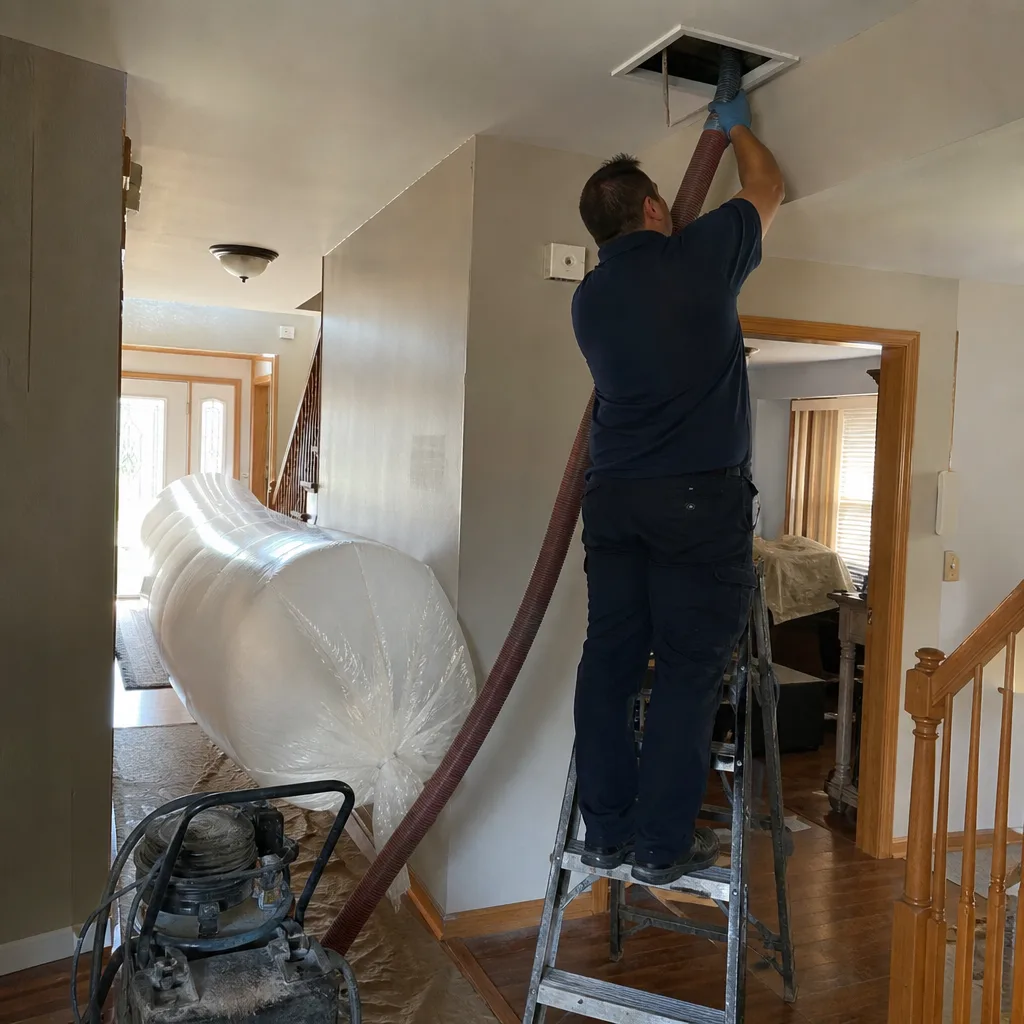
ACR 2021’s equipment specifications are functional rather than prescriptive - they describe what equipment must accomplish, not which brands qualify. For homeowners evaluating contractors, understanding these functional requirements helps distinguish professional capability from marketing claims.
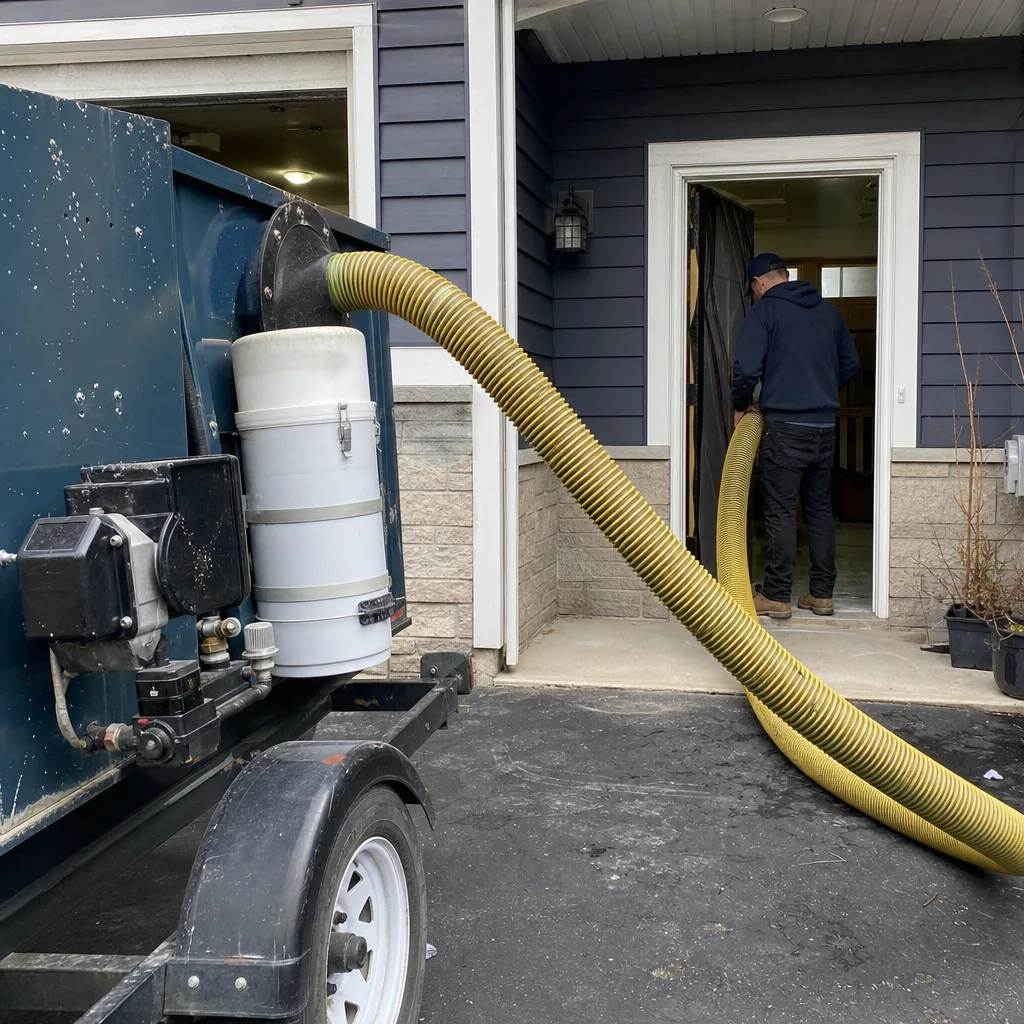
Negative-pressure extraction is the core requirement. The cleaning device must create sufficient vacuum at the point of debris removal to prevent migration into occupied spaces. This typically requires either a truck-mounted system with 10,000+ CFM capacity or a portable HEPA-filtered unit with verified airflow at the tool head. Portable units from Nikro and Abatement Technologies meet this standard when properly maintained; consumer-grade shop vacuums do not, regardless of horsepower claims.
Mechanical agitation separates debris from duct surfaces so extraction can remove it. Methods include rotary brush systems (like Rotobrush equipment), compressed air whips, and pneumatic skipper balls. Each has appropriate applications: rotary brushes work well in rigid metal duct, while air whips better navigate flex duct without damage. The contractor should specify which method applies to your system type.
HEPA filtration on exhaust air is mandatory for contamination control. Equipment should specify filtration efficiency at 0.3 microns, the most penetrating particle size. Honeywell and Aprilaire manufacture verification-rated filtration components for professional equipment; generic “HEPA-type” filtration does not meet the standard.
Access protocol determines whether the equipment can actually reach all duct sections. ACR 2021 requires sufficient access points for complete system cleaning, with new access created where existing openings are inadequate. This is where unregulated contractors frequently cut scope - cleaning only reachable sections while charging for “whole system” work.
CleanRun’s equipment roster includes Rotobrush, Nikro, Abatement Technologies, Honeywell, Aprilaire, and Guardsman systems, specified by application in each written scope. We do not deploy equipment that cannot be independently verified by manufacturer documentation. In Naperville’s market, where homeowners research purchases extensively, this transparency has proven more persuasive than any marketing claim.
Red Flags: How Unregulated Contractors Cut Corners
The absence of state regulation creates predictable patterns of abuse. These red flags appear consistently in complaints filed with the Better Business Bureau and in cases we’ve encountered during second-opinion calls in Naperville and surrounding DuPage County.
The $79 coupon - a price point that cannot cover labor, equipment, insurance, and documentation for a legitimate cleaning. The typical progression: technician arrives, “discovers” mold or excessive contamination, and presents a revised estimate of $600-$1,200. The original coupon price applied only to a superficial register vacuum. No written scope was provided, making the bait-and-switch difficult to dispute.
“Free inspection” that becomes a sales presentation - particularly common in senior-targeted marketing. The inspector shows a generic photograph of dirty ductwork (not from your home), claims health risks, and pressures for immediate signing. No documentation of your actual system condition is produced.
Per-vent pricing - incentivizes the contractor to clean as few vents as possible while charging for the count. A 15-vent home may have 10 vents actually cleaned if the homeowner cannot verify. Flat system pricing, specified by duct run in writing, eliminates this incentive misalignment.
No photographic documentation - the single most reliable indicator of incomplete work. If a contractor cannot or will not show you the inside of your ducts before and after, you have no basis to evaluate what was performed. The absence of documentation is not an oversight; it is a strategy.
Same-day pressure - “I can do it right now for 20% off if you sign today.” Professional scheduling requires equipment preparation, crew assignment, and route optimization. Immediate availability at steep discount suggests idle equipment and desperate cash flow, not efficiency.
Vague equipment descriptions - “professional truck-mounted system” without manufacturer, model, or capability specification. Professional contractors name their equipment because it can be verified. Those who don’t are typically using consumer-grade tools or rented equipment.
In Naperville specifically, we’ve noted increased door-to-door solicitation in neighborhoods with recent home sales, where public records identify new homeowners who may be unfamiliar with local service norms. The city does not require solicitation permits for duct cleaning, creating another enforcement gap. Our recommendation: never contract door-to-door for any home service, and verify any contractor through the Illinois Department of Financial and Professional Regulation license lookup before scheduling.
Common Mistakes to Avoid
- Assuming “certified” means regulated. NADCA certification, BBB accreditation, and similar designations are voluntary memberships, not government oversight. Verify what the credential actually requires before assigning it weight in your decision.
- Accepting verbal scope descriptions. In Illinois’s unregulated environment, the written contract is your only enforceable protection. A contractor who won’t specify equipment, duct runs, and documentation in writing before work begins is signaling either incompetence or intentional vagueness.
- Ignoring the HVAC license distinction. If cleaning reveals damage requiring repair, the work must be performed by a licensed HVAC contractor or permitted appropriately. Allowing an unlicensed cleaner to perform repairs creates code violations and insurance exposure.
- Choosing by price alone in a market with no floor. The $89 cleaning and the $689 cleaning are not the same service with different margins. They are typically different scopes with different equipment, documentation, and accountability. Require written specification to compare.
- Neglecting to verify documentation delivery. Promise of “before and after photos” means nothing without specification of how many, from which locations, with what metadata. We’ve reviewed competitor “photo records” consisting of two images: one register before, one after, with no duct interior documentation.
- Failing to check local permit history. In Naperville, previous owners may have performed unpermitted HVAC modifications that affect your system. A permit history search before major cleaning or repair work can reveal surprises that change scope and pricing.
- Confusing duct cleaning with duct sealing or sanitizing. These are distinct services with different standards, equipment, and pricing. A proposal that bundles them without itemization may obscure incomplete performance of each.
When to Call a Professional
Schedule a professional duct cleaning when you observe visible debris at registers, experience unexplained allergy symptoms that correlate with HVAC operation, or note persistent dust accumulation despite regular filter changes. In Naperville’s climate, we also recommend assessment after any water intrusion event, given the region’s humidity and the mold risk it creates in duct interiors. For more guides & resources on protecting your home’s air quality, see our blog.
Call a licensed HVAC contractor, not a cleaning service, when you suspect duct damage, disconnected runs, or system airflow problems that cleaning alone won’t resolve. The distinction protects you from unpermitted work and ensures code-compliant repair.
CleanRun Air Duct Cleaning in Naperville offers free estimates with written scope and pricing before any commitment - call (331) 236-5490. Every estimate includes specification of equipment, documentation deliverables, and the 365-Day Done Right Promise in writing. For dryer vent cleaning in Naperville or full HVAC cleaning services, the same standards apply.
Frequently Asked Questions
No. Routine mechanical cleaning of existing ductwork requires no permit in Naperville or anywhere in Illinois. Permits become necessary only if the work involves duct replacement, modification, or new installation, which falls under HVAC contractor licensing and mechanical permit requirements. If a cleaning contractor claims permit fees are part of your cleaning quote, request the specific municipal code section being cited.
Verify general business registration with the Illinois Secretary of State, request proof of general liability insurance with certificate of insurance naming you as additional insured, and demand a written contract specifying equipment, scope, documentation, and warranty. Check for complaints with the Better Business Bureau and ask for customer references with contact information. The absence of state licensing makes these verification steps essential, not optional.
Professional whole-system cleaning for a typical Naperville home ranges from $400 to $800 depending on system size, accessibility, and contamination level. Prices below $300 typically indicate incomplete scope, consumer-grade equipment, or bait-and-switch pricing structure. CleanRun provides specific written pricing for each home before scheduling under Haven Standard Clause 1 - no per-vent pricing, no post-arrival revisions. Call (331) 236-5490 for an exact quote; estimates are free.
Price variation reflects scope variation that contractors often obscure. The cheapest quotes typically cover register vacuuming only, exclude main trunk and plenum cleaning, use portable consumer equipment, provide no documentation, and carry no warranty. Higher quotes specify professional extraction equipment, mechanical agitation of all duct runs, timestamped photographic documentation, and written guarantee. Require itemized written scope to compare; without it, price comparison is meaningless.
Demand timestamped before-and-after photographs from inside every duct run, not just register exteriors. The photo record should show identifiable duct features - elbows, connections, damper locations - that confirm the image came from your system. CleanRun’s Documented Photo Record, included on every visit since 2013, provides this verification as a standard deliverable, not an add-on. If a contractor cannot produce equivalent documentation, you have no objective basis to confirm work performance.
Every 3 to 5 years for typical residential systems, more frequently if you have pets that shed, recent construction or renovation, smokers in the household, or residents with respiratory conditions. Naperville’s seasonal pollen load and summer humidity may accelerate accumulation in some homes. The NADCA guideline of “as needed” is technically accurate but unhelpful; a visual inspection with photographic documentation every 3 years provides objective basis for scheduling. Call (331) 236-5490 to schedule an assessment with written findings.
The Bottom Line
Illinois’s lack of duct cleaning regulation places the burden of quality assurance entirely on the homeowner. No state agency will verify equipment capability, work completeness, or pricing fairness. The tools available - HVAC contractor licensing for repair work, NADCA standards as contractual benchmarks, local permitting for modifications, and rigorous written contracting for cleaning scope - require active homeowner engagement to be meaningful.
In Naperville’s market, where home values and system complexity both run high, this engagement pays measurable returns. The difference between a documented professional cleaning and an undocumented budget service often exceeds $300 in direct cost - and can reach thousands if unpermitted repair work creates code violations or system damage. The written contract, the specified equipment, and the photographic record are not marketing features. They are the only enforceable standards that exist.
Written by Tomas Reyes, Owner at CleanRun Air Duct Cleaning Naperville, serving Naperville since 2013.