
Last updated September 23, 2026
Whole-system duct and dryer vent check with before-and-after photos - you see exactly what came out of your vents
That "$99 whole-house special" is a bait ad - the real number appears once they are in your hallway, or the "clean" is a shop-vac at the register. We photograph the inside of your ducts before and after instead.
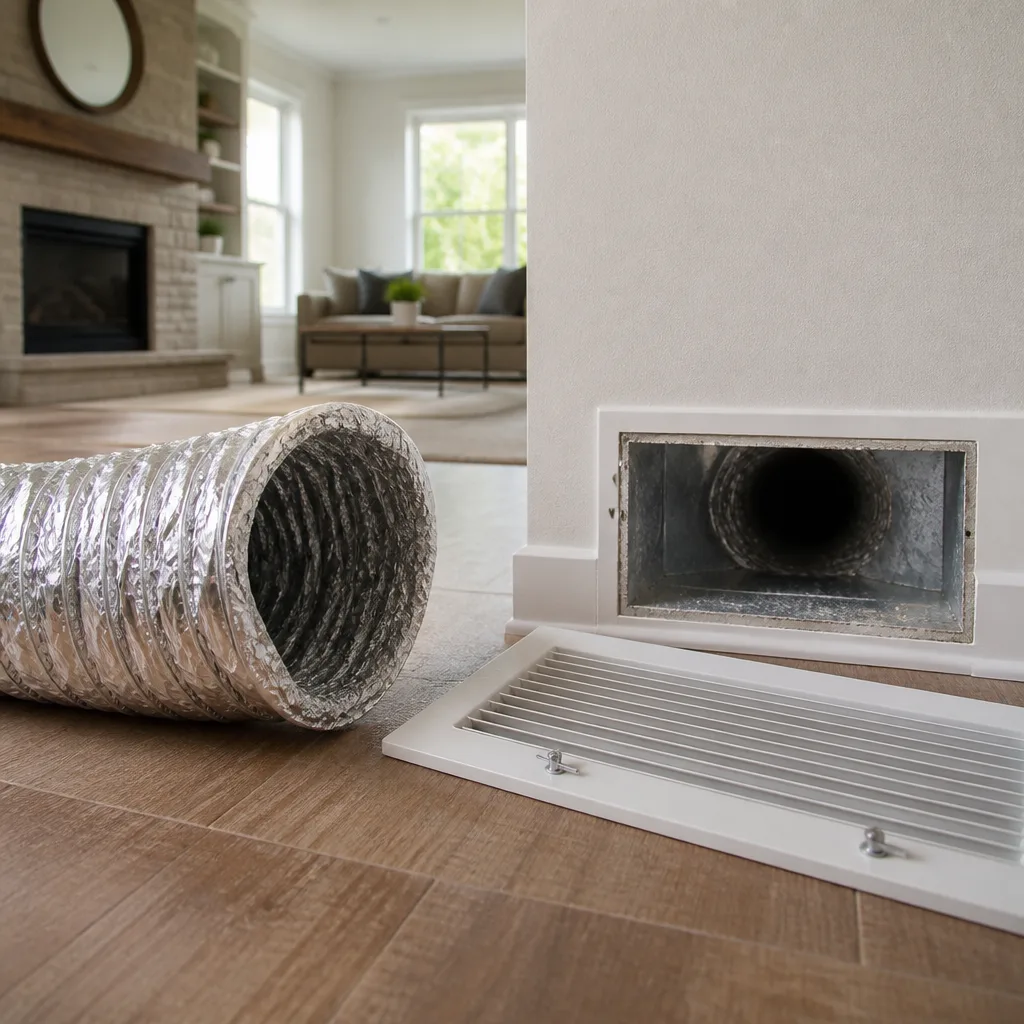
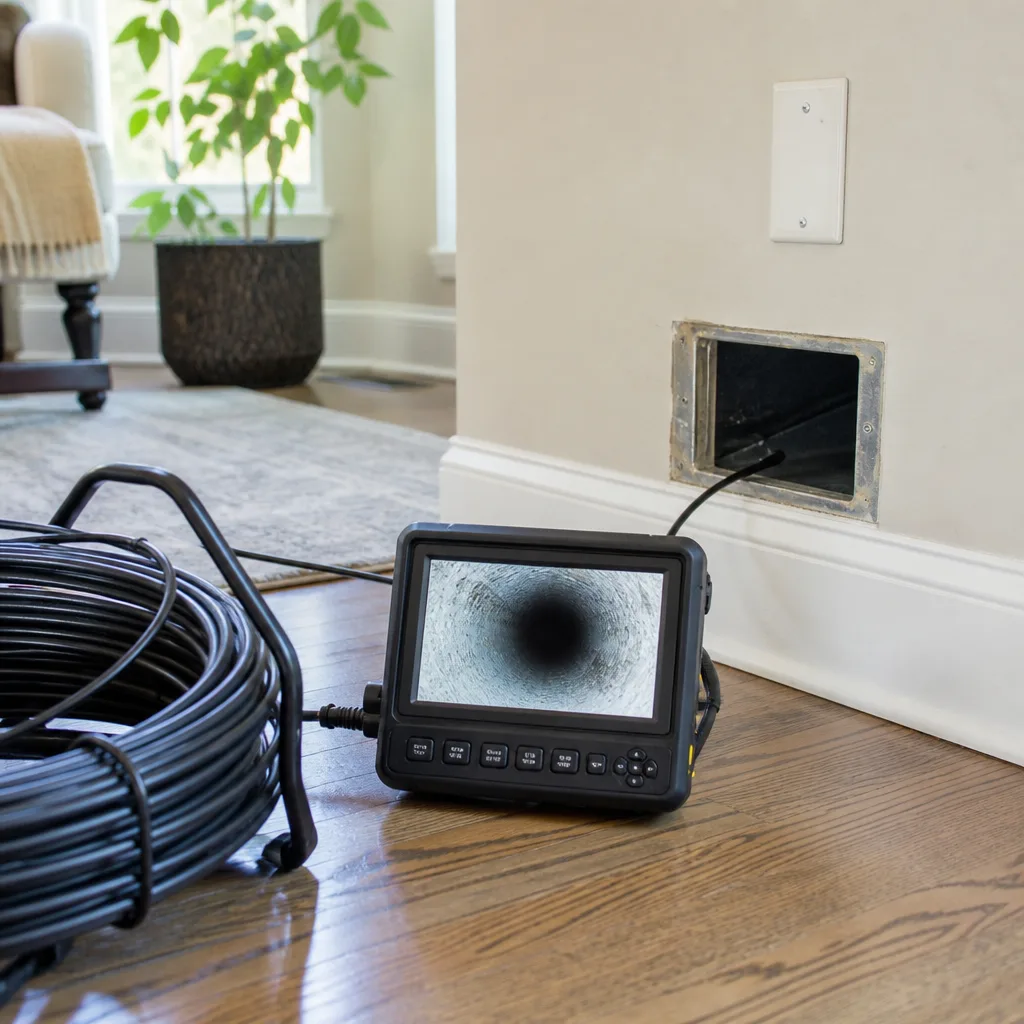
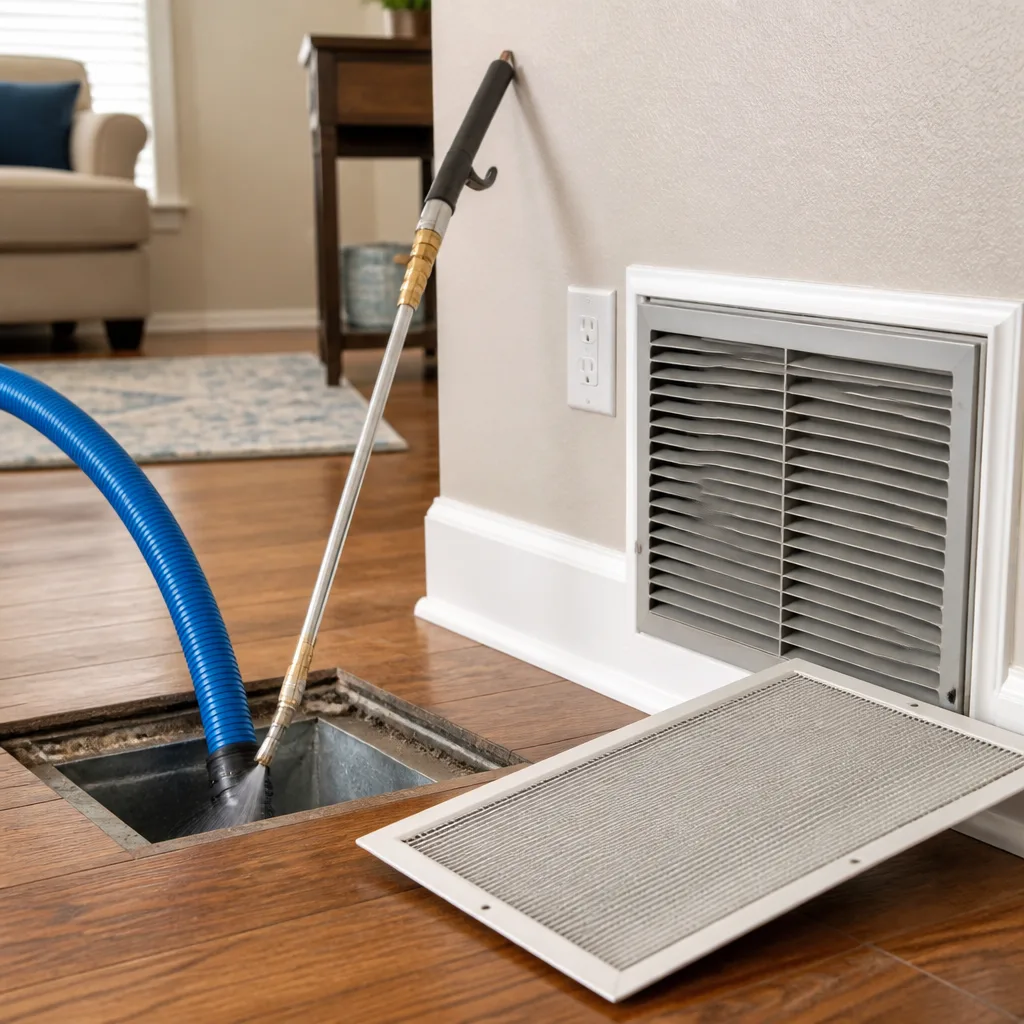
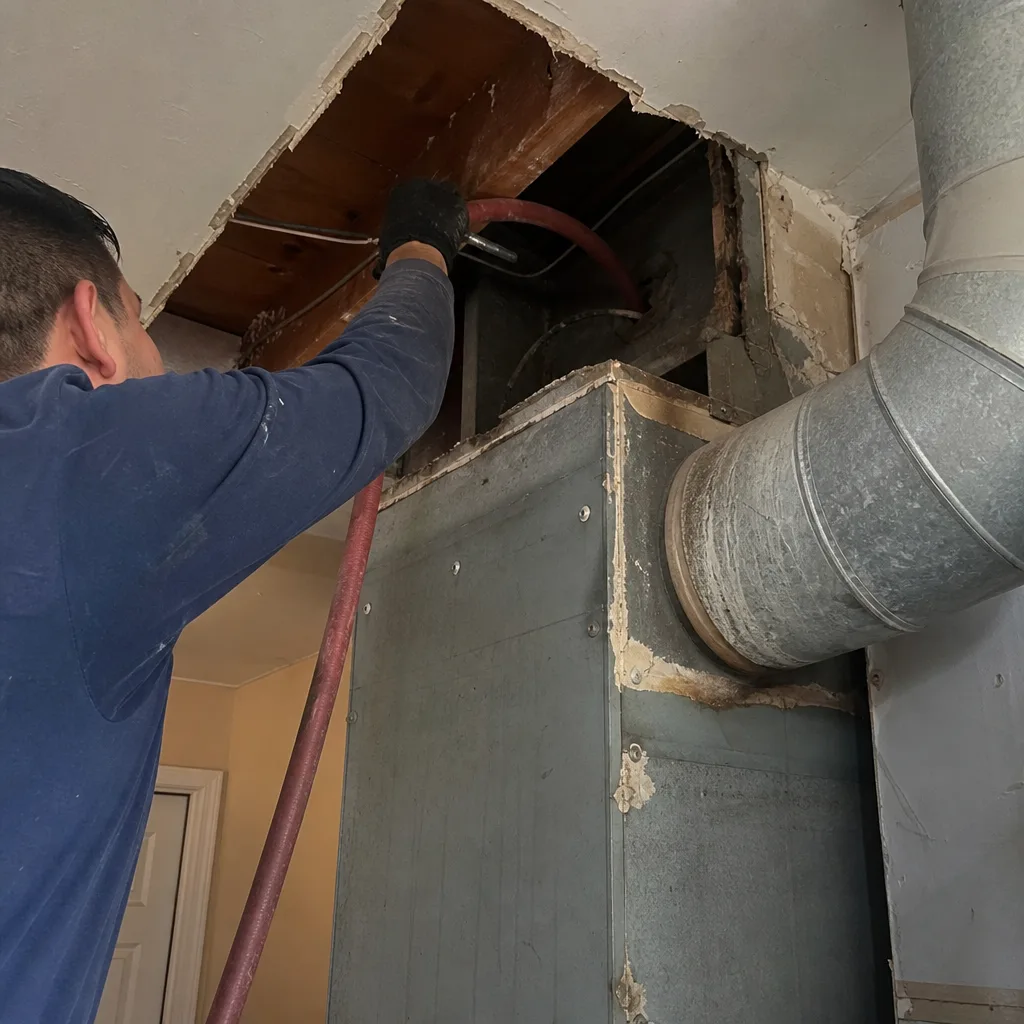 Before
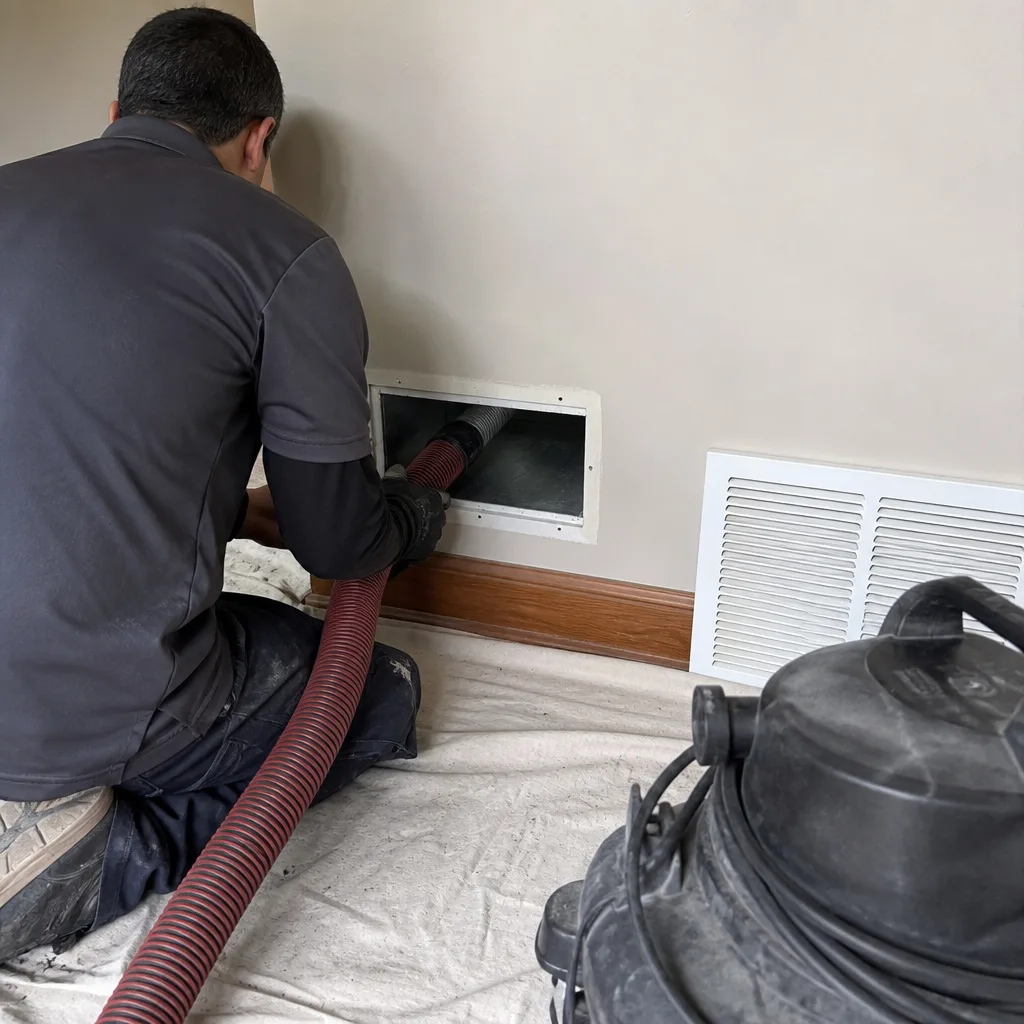 After
After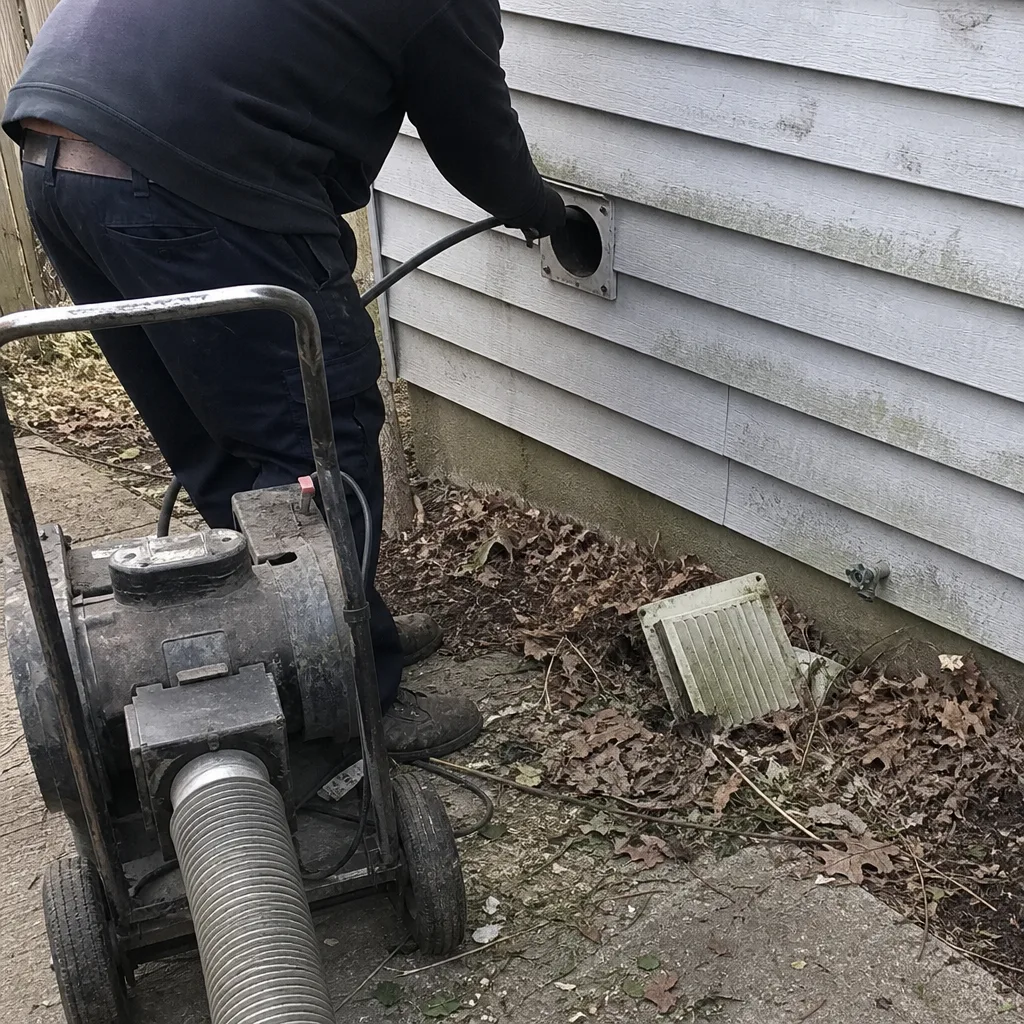 Before
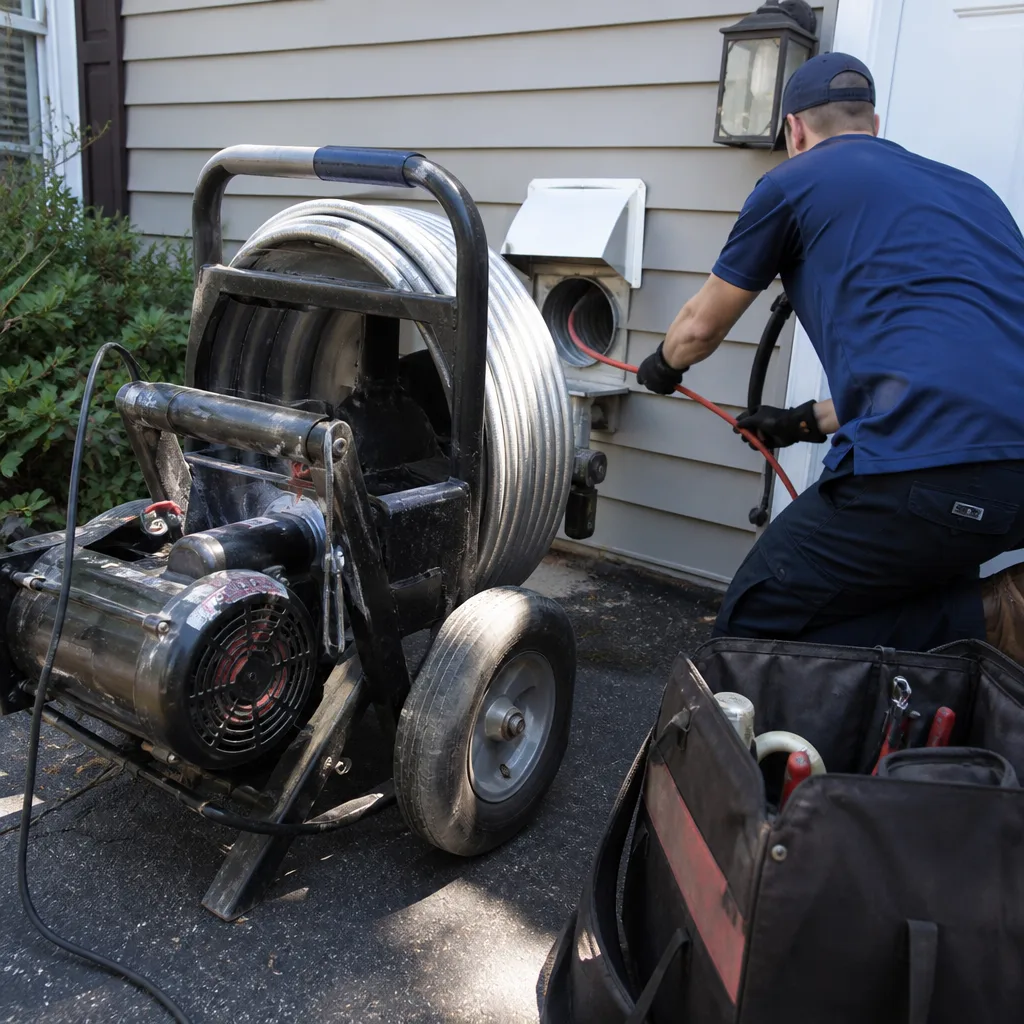 After
After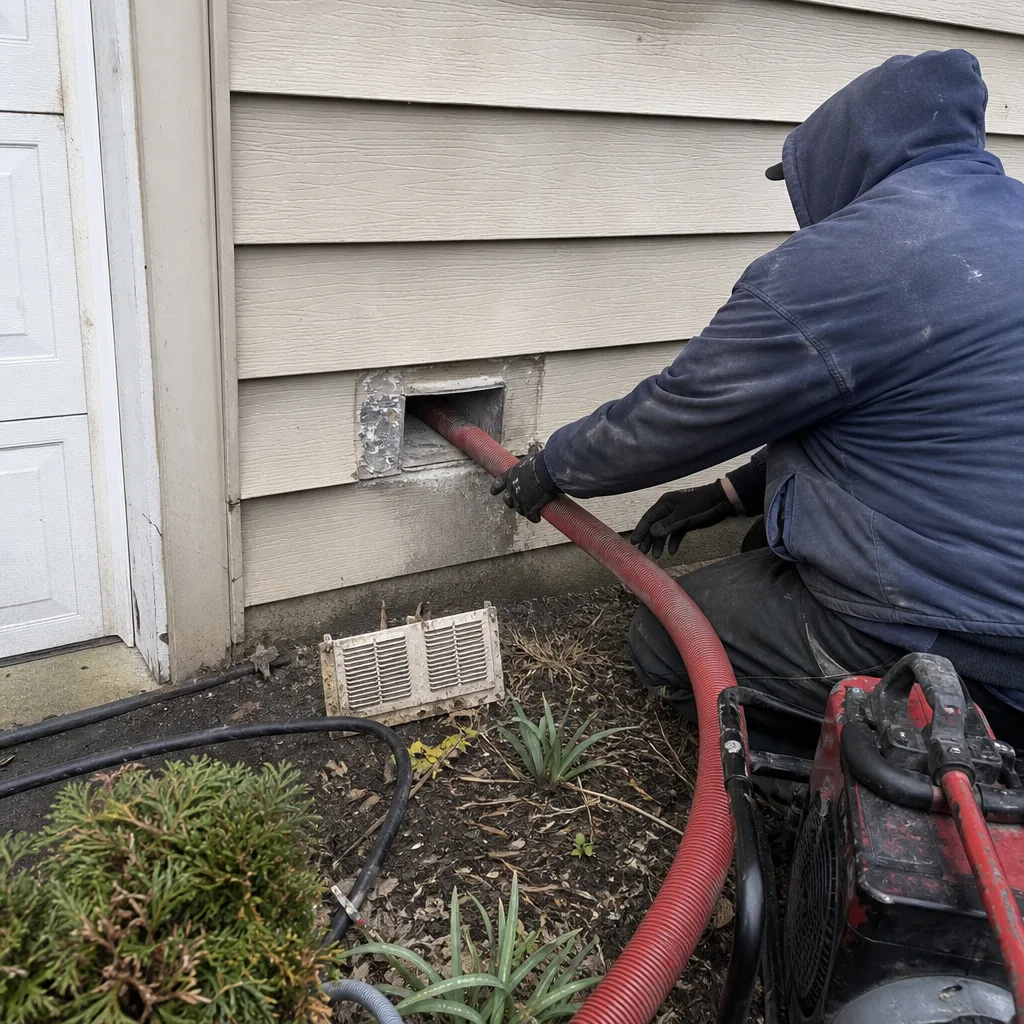 Before
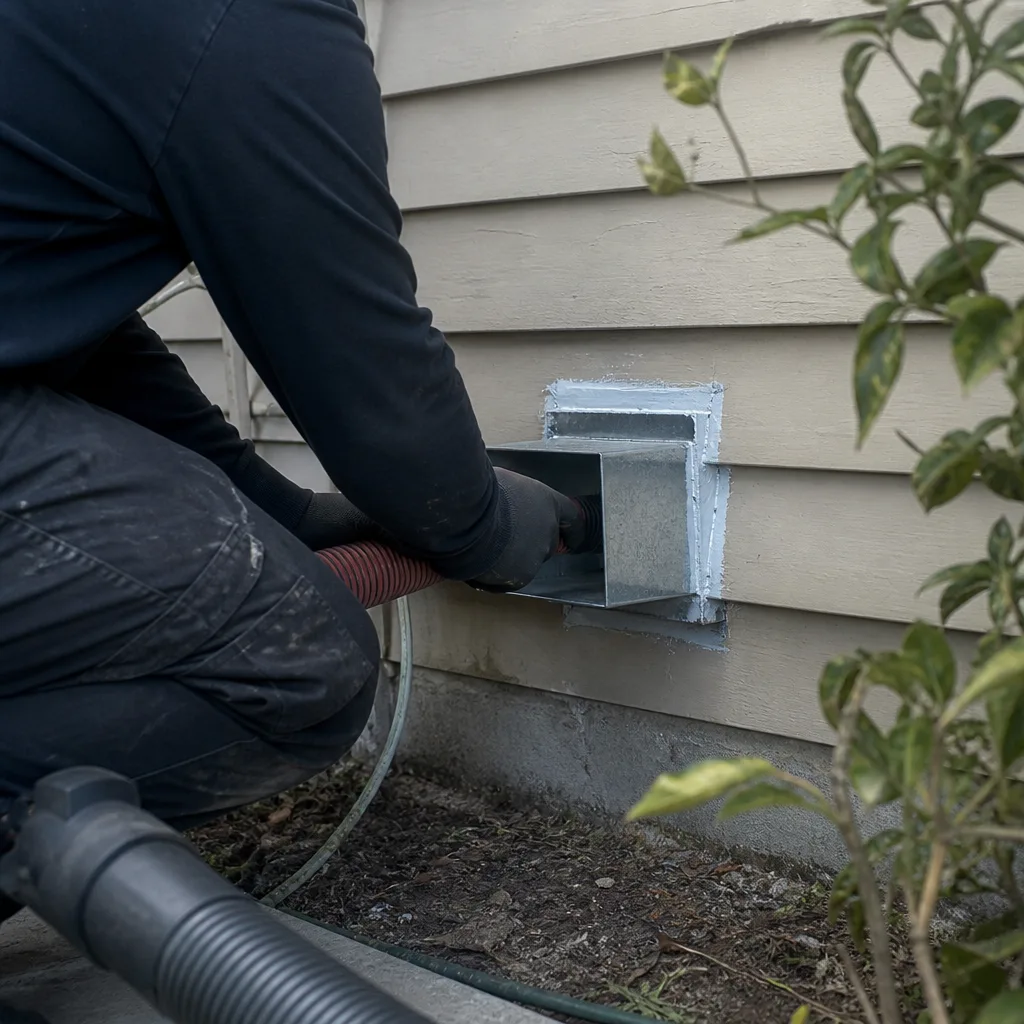 After
AfterAir Duct Cleaning Cost Breakdown: The Naperville Homeowner’s Reference for 2026
A $79 air duct cleaning quote and a $650 quote are not the same service at different price points. They are different services entirely. One of them leaves your duct system in measurably the same condition it was in before the truck arrived. In Naperville, where the housing stock runs heavy on 1980s through mid-2000s flex-duct construction, the gap between a coupon cleaning and a legitimate job is wider than most homeowners realize. This guide names every line item in a real quote, explains what labor and equipment justify each charge, and shows you how to read a written estimate before a technician sets foot in your home. For a deeper dive into ongoing care, see our Air Duct Cleaning Maintenance Checklist for Naperville Homeowners.
Quick Answer
Professional air duct cleaning in Naperville costs between $380 and $780 for a typical single-system home with 12 to 18 vents in 2026. A thorough job using negative-pressure extraction equipment, with the air handler and return plenum included, runs toward the higher end. Add-ons like dryer vent routing, UV light installation, or coil cleaning sit outside that base range.
Table of Contents
- Why Prices Vary So Widely for the Same House
- Line-Item Breakdown: What a Legitimate Naperville Quote Contains
- The $79 Coupon Math: What That Price Actually Buys
- Flex Duct vs. Sheet Metal: How Naperville’s Housing Stock Affects Cost
- Legitimate Add-Ons vs. Margin Padding
- How to Read a Written Quote Before the Technician Arrives
- What the Photo Record Should Show
- Common Mistakes to Avoid
- When to Call a Professional
- Frequently Asked Questions
- The Bottom Line
BeforeAfterWhy Prices Vary So Widely for the Same House
The same 2,200-square-foot colonial in the Hobson West subdivision can generate quotes from $79 to over $1,200. The difference is not market competition in any normal sense. It is a split between two entirely different business models.
Model one is the coupon operation. The $79 price covers a technician’s arrival, a shop vacuum run at each register, and a sales pitch for additional services. The technician is often paid on commission for upsells, not hourly for labor. The equipment is typically a portable vacuum or a rotary brush on a cordless drill. No negative-pressure containment is used. The ducts are not sealed off during cleaning, so dislodged debris simply migrates to other parts of the system or back into the living space.
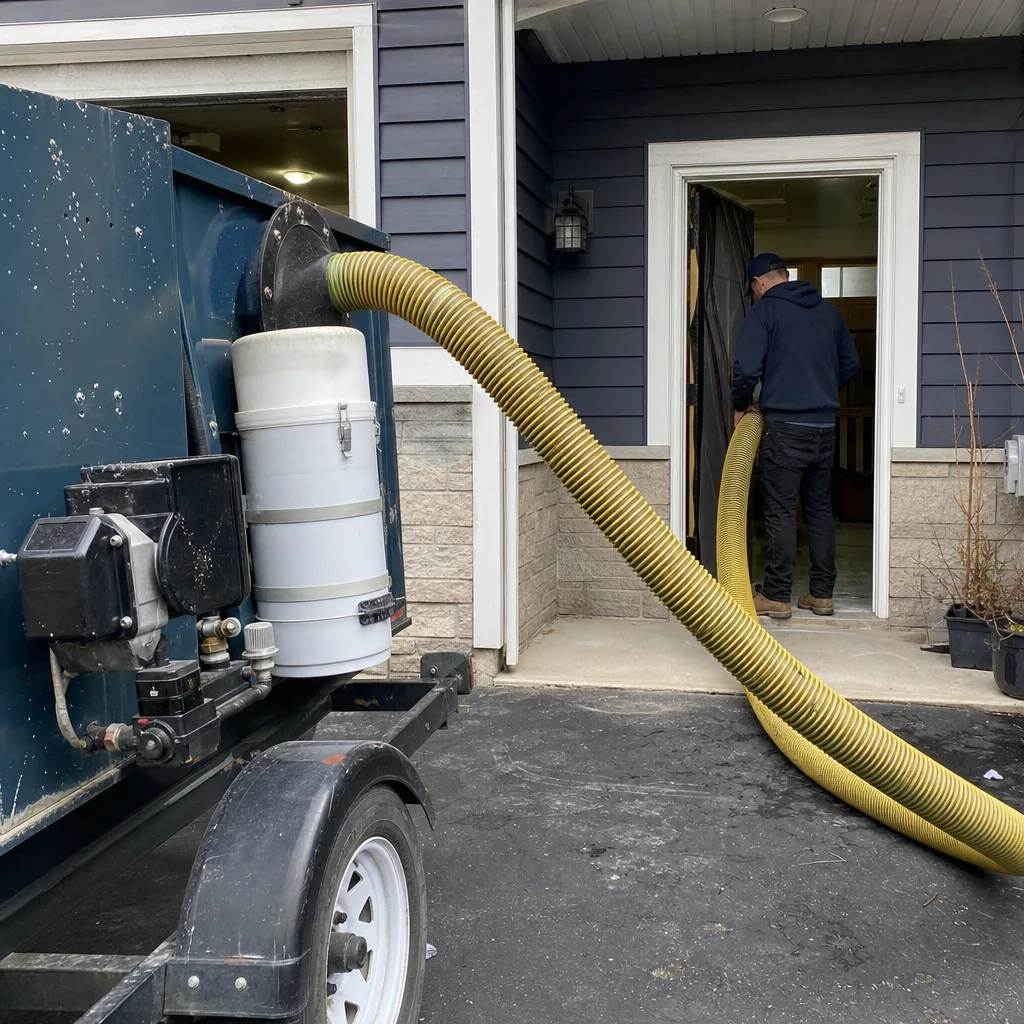
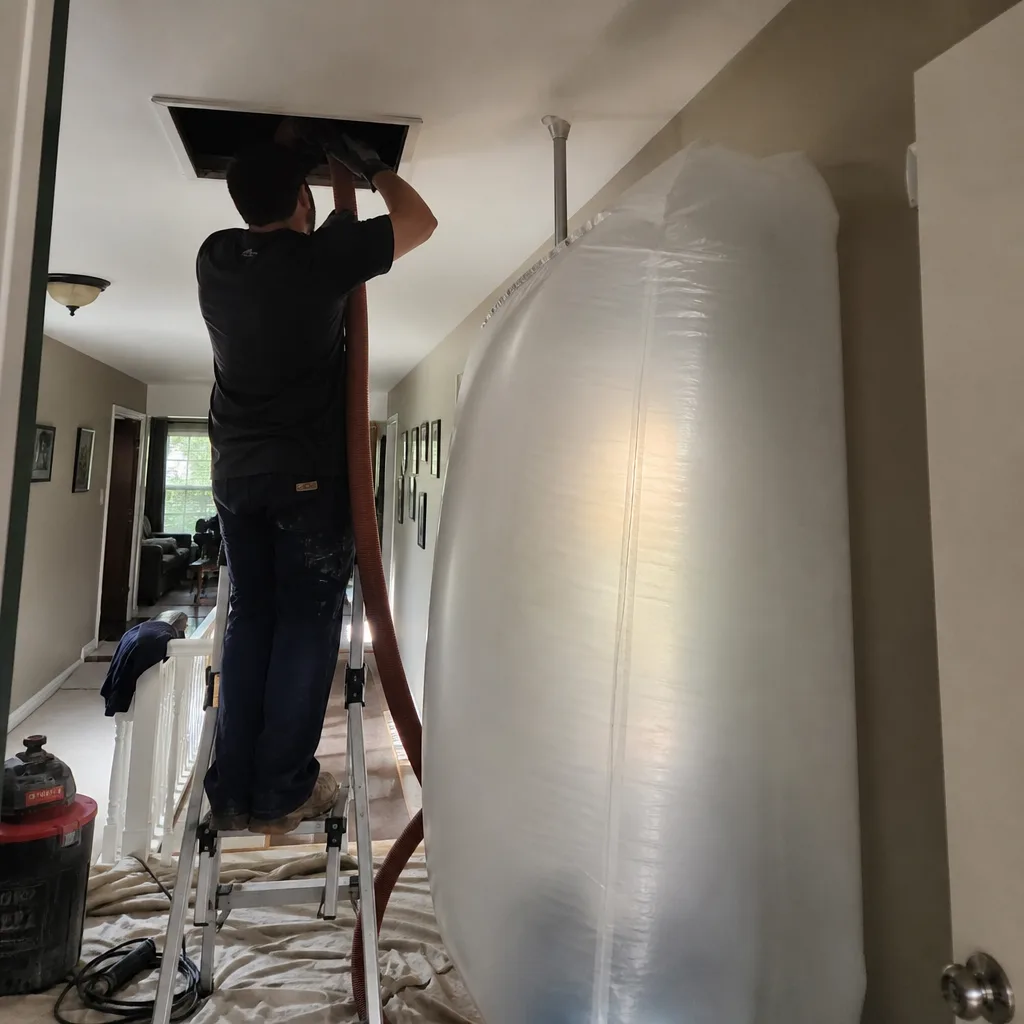
Model two is the documented, equipment-intensive job. A truck-mounted or portable HEPA-filtered negative-pressure system, such as a Nikro or Abatement Technologies unit, is connected to the main trunk line. Each duct run is isolated, agitated with a mechanical brush or compressed-air whip, and extracted under controlled vacuum. The air handler, blower assembly, and return plenum (the large central chamber that distributes air from your furnace) are opened and cleaned. The job takes three to five hours for a typical Naperville home and requires two technicians for portions of the work.
Geography matters too. Naperville’s mature tree canopy in neighborhoods like East Highlands and Cress Creek produces pollen loads that settle in duct systems differently than in newer, less vegetated subdivisions. Homes near the DuPage River corridor can experience higher humidity cycles, which affects how debris adheres to flex duct interiors. These factors do not change the base price dramatically, but they affect how long agitation takes and whether secondary sanitizing is warranted.
Finally, access matters. Homes with finished basements and drywall soffits hiding the main trunk line require more labor to reach the system. Crawl-space duct runs, common in split-levels near Naperville’s older core, add time. A legitimate quote accounts for these conditions in writing before work starts.
Line-Item Breakdown: What a Legitimate Naperville Quote Contains
A written quote you can hold in your hand should separate every charge. If you see a single round number with no itemization, that is a red flag. Here is what itemization looks like for a typical Naperville home in 2026.
| Line Item | Description | 2026 Naperville Price Range |
|---|---|---|
| Base system charge | Negative-pressure extraction setup, truck/equipment mobilization, first 10-12 vents | $320-$480 |
| Per additional vent | Each register beyond the base count | $18-$32 |
| Air handler / blower cleaning | Opening, brushing, and extracting the furnace blower compartment and evaporator coil housing | $85-$140 |
| Return plenum cleaning | The large central return chamber, often the dirtiest component | $65-$110 |
| Dryer vent cleaning | Separate service; routed through wall to exterior termination | $120-$195 |
| Main trunk line access (if finished) | Drywall or soffit cutting, with repair responsibility specified | $75-$150 |
| UV light installation (optional) | In-duct ultraviolet germicidal irradiation unit, wired to blower circuit | $280-$450 |
| Whole-home sanitizer fogging (optional) | EPA-registered antimicrobial applied as mist to duct interior | $95-$165 |
The base system charge is where most of the variation hides. A company using Rotobrush portable equipment with HEPA filtration carries different overhead than one with a full truck-mounted Abatement Technologies system. Both can do legitimate work, but the truck-mounted setup typically moves more cubic feet per minute of extraction air, which matters in larger homes or heavily soiled systems.
At CleanRun, every quote follows Haven Standard Clause 1: written price delivered before any work starts. The customer sees this table, adapted to their specific home, before a panel comes off. No exceptions since 2013.
The $79 Coupon Math: What That Price Actually Buys
To understand what $79 pays for, work backward from the technician’s time.
- A coupon job books 90 minutes on the schedule, including drive time.
- The technician earns $15-$20 per hour base, plus commission on upsells.
- Fuel, vehicle depreciation, and equipment maintenance for a portable vacuum run roughly $25 per job.
- The company paid $40-$80 to acquire that lead through the coupon platform.
Add these figures and the company is already underwater before the technician enters the house. The business model requires conversion to higher-margin services: $400 “sanitizing” treatments, $600 UV light installations, or $250 “deep clean” upgrades sold under pressure in the living room.
The actual duct cleaning performed for $79 consists of running a vacuum hose into each register for two to three minutes. The main trunk line is untouched. The return plenum, which in Naperville homes often contains the heaviest debris load, is not accessed. The air handler and blower assembly, where dust recirculates continuously, are not opened. The system is not sealed under negative pressure, so agitated debris escapes into the home or resettles in downstream duct runs.
In our experience across 52,000 homes, the camera shows a 3-inch debris build-up at the first elbow in roughly one-third of Naperville systems that had a “cleaning” within the previous two years from a coupon provider. The debris was pushed past the elbow, not removed. The homeowner paid for noise, not extraction.
The documented photo record is what separates these experiences. A legitimate job concludes with before-and-after images of every duct run, delivered to the customer. A coupon job concludes with a verbal assurance and a request for a review.
Flex Duct vs. Sheet Metal: How Naperville’s Housing Stock Affects Cost
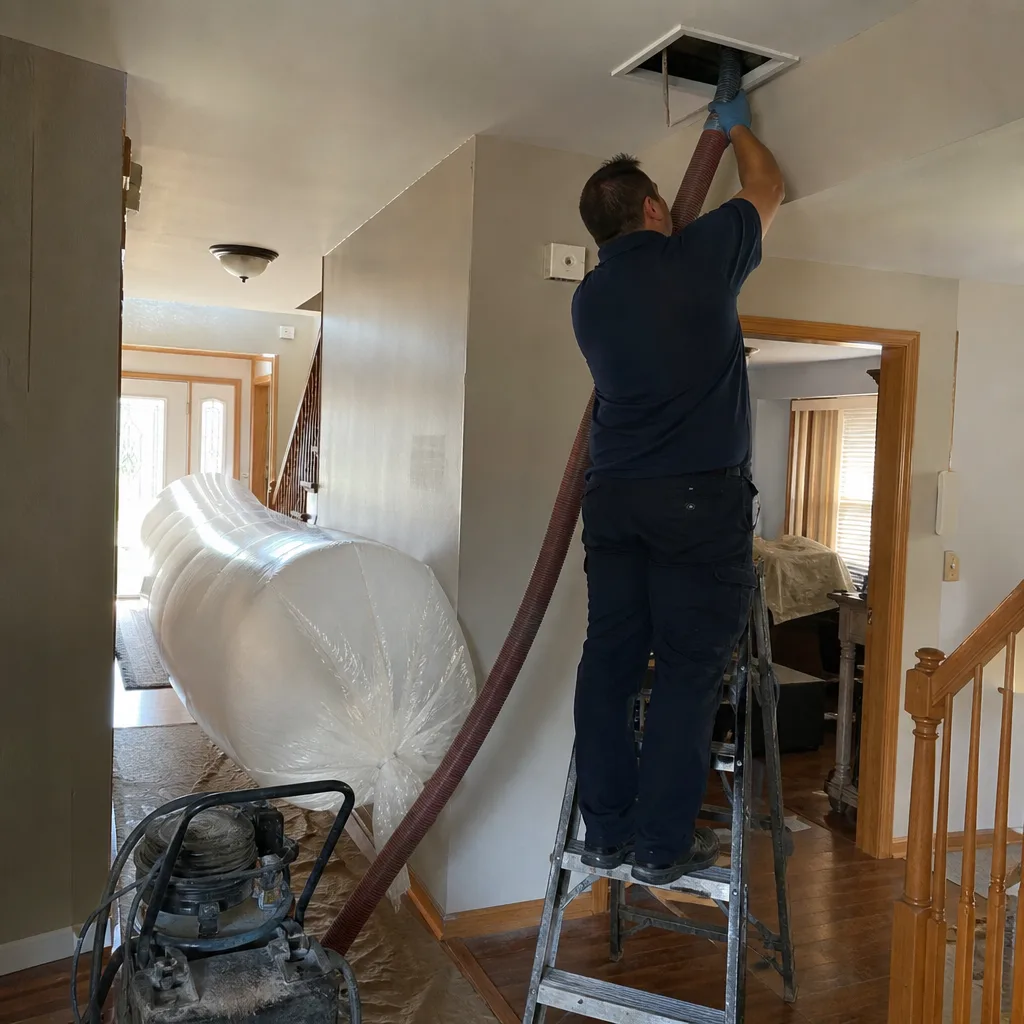
Naperville’s residential construction falls into distinct waves, and the duct materials used in each wave behave differently during cleaning.
Pre-1980s and high-end custom: Galvanized sheet metal trunk lines with sheet metal branch ducts. Rigid, durable, and relatively easy to clean with mechanical brushing. Debris tends to accumulate at joints and elbows but does not adhere strongly to smooth metal surfaces. Cleaning proceeds faster. Access panels can be cut and patched cleanly.
1980s through mid-2000s: Flex duct branch lines, often with sheet metal trunk lines. This is the bulk of Naperville’s housing stock, from the subdivisions near Route 59 to the neighborhoods south of 75th Street. Flex duct has a corrugated wire helix inside a plastic liner, wrapped in fiberglass insulation and a vapor barrier. The corrugations trap debris. The plastic liner can be damaged by overly aggressive mechanical brushes. Cleaning requires lower brush speeds, more careful agitation, and longer extraction times. In humid summer conditions, debris adheres more tenaciously to the plastic surface.
Post-2010 construction: Mix of flex duct and newer rigid fiberglass duct board. Generally cleaner due to age but may have construction debris (drywall dust, wood chips) if the builder did not protect registers during construction.
The flex duct prevalence in Naperville adds 20-40 minutes to a typical job compared to an all-sheet-metal system of the same vent count. It also increases the risk of duct damage from inexperienced technicians using inappropriate equipment. A written quote should note the duct type and any associated conditions. At CleanRun, we photograph the duct interior at the first access point to confirm material type before finalizing the scope.
Homes in the White Eagle and Ashbury subdivisions, built during peak flex-duct years, often show sagging branch lines where the internal wire support has fatigued. This is not a cleaning issue directly, but it affects airflow and may warrant repair referral. A technician who does not inspect for this condition is not performing a complete evaluation.
Legitimate Add-Ons vs. Margin Padding
Some additional services solve real problems. Others exist primarily to inflate the invoice after a low base price has secured the appointment.
Legitimate add-ons with specific utility:
- UV light installation: A properly sized ultraviolet germicidal irradiation unit, installed downstream of the evaporator coil, can suppress microbial growth on the coil surface and in the drain pan. This matters in Naperville’s humid summer months when condensate management is active. The unit must be sized to the airflow rate and replaced every 9,000-12,000 hours. A $280-$450 installed price for a quality unit is reasonable. Claims that UV light “purifies your whole home’s air” are overstated; its primary effect is localized to the coil and immediate plenum area.
- Evaporator coil cleaning: The coil sits inside the air handler and is not fully accessible during standard duct cleaning. If the coil is visibly fouled, airflow and efficiency suffer. This is a separate labor operation requiring chemical foaming, rinsing, and sometimes pump evacuation. A legitimate quote specifies whether coil cleaning is included in the base air handler charge or priced separately.
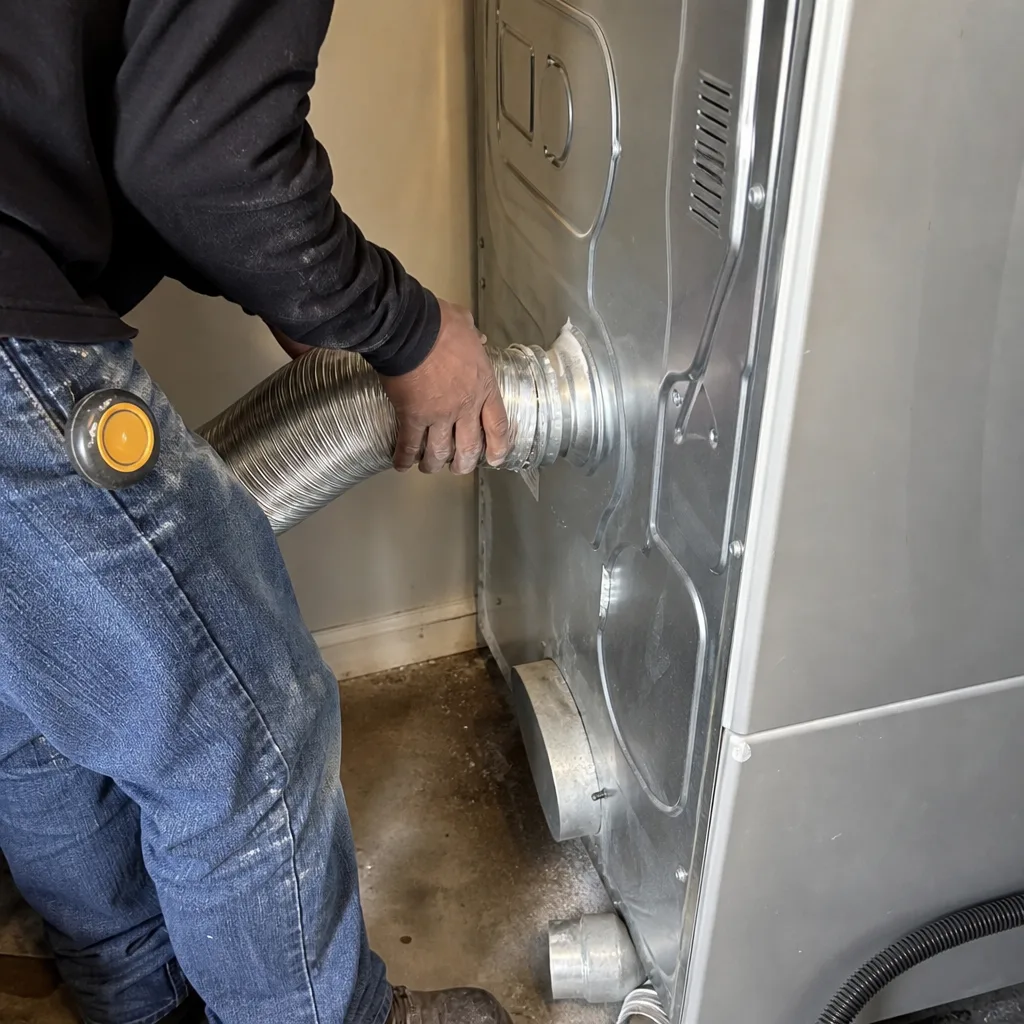
- Dryer vent cleaning: A distinct service from duct cleaning, with different equipment and fire-safety implications. In Naperville, where many homes have second-floor laundry rooms with long horizontal runs through attic or soffit spaces, lint accumulation is a genuine hazard. Dryer Vent Cleaning in Naperville is priced by routing complexity, not by analogy to duct cleaning.
Margin-padding upsells to question:
- “Sanitizing” fogger treatments sold as essential: A base thorough cleaning with negative-pressure extraction removes the organic material that microbes feed on. Fogging with an EPA-registered antimicrobial has valid applications, such as after water damage or in homes with confirmed microbial contamination, but it is not a routine necessity. The $150-$250 upsell sold to every customer regardless of condition is padding.
- Register replacement sold as “sealing”: Standard registers do not seal tightly to the floor or wall; they are not designed to. Replacing them with marginally tighter models provides minimal airflow benefit. True duct sealing involves mastic or aerosolized sealant applied to leaks in the trunk line and plenum, a separate service entirely.
- Perpetual “maintenance plan” memberships: Annual duct cleaning is unnecessary for most homes. The NADCA (National Air Duct Cleaners Association) guideline is every three to five years for residential systems, or after specific events like renovation or water damage. A plan that locks you into annual cleanings is optimizing the company’s revenue, not your indoor air quality.
The H.A.V.E.N. Standard requires that any recommended add-on be justified in writing with a specific condition observed during inspection, not offered as a blanket upgrade. Haven Standard Clause 1 governs pricing transparency; Clause 4 governs scope justification. For regulatory context, see Air Duct Cleaning Permits, Codes & Inspections in IL: What You Need to Know.
How to Read a Written Quote Before the Technician Arrives
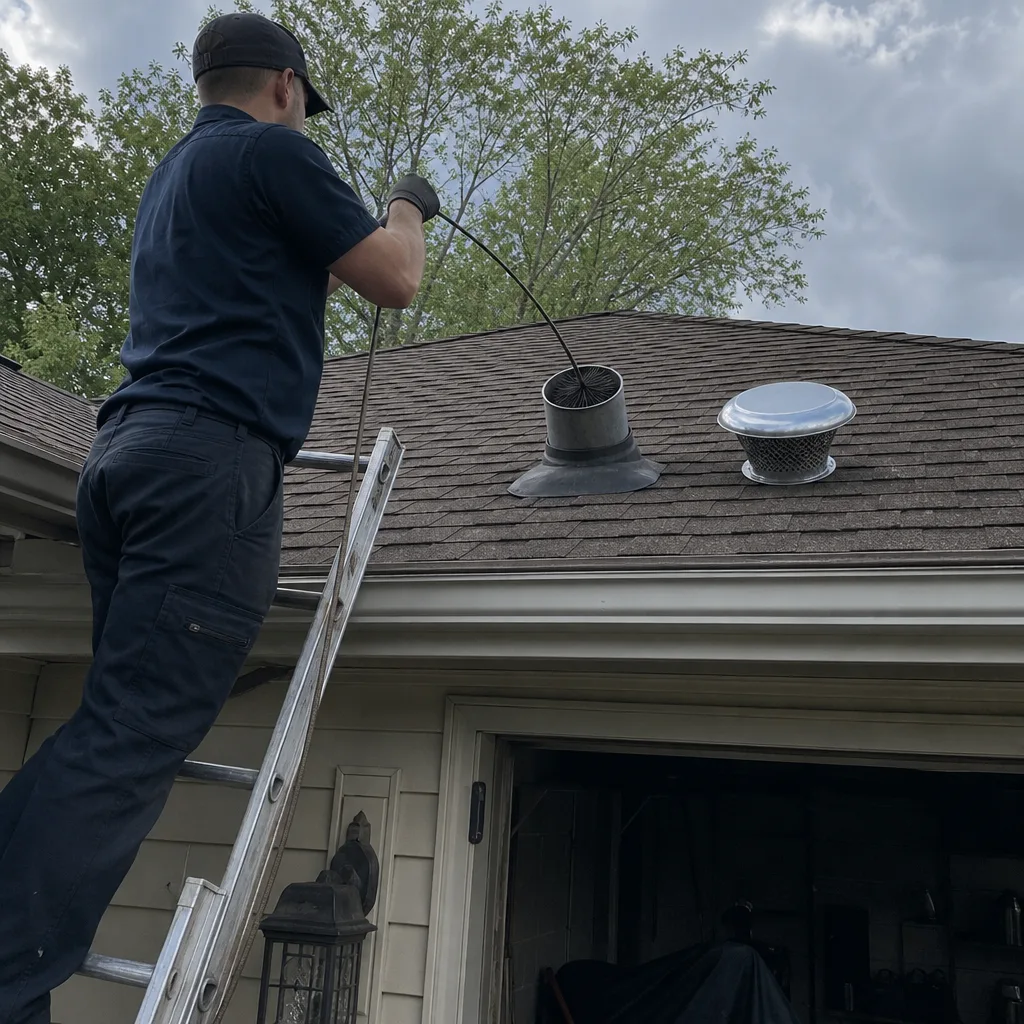
A written estimate is a contract preview. These are the clauses and omissions that predict your experience.
- Look for escalation language. Phrases like “price subject to conditions found” or “additional charges may apply for excessive debris” create a blank check. A legitimate quote specifies what constitutes “excessive” and how it is measured. CleanRun’s quotes define debris thresholds by photographic evidence: if the camera shows more than 1/2-inch accumulation at any point, the price is adjusted before work proceeds, not after.
- Verify equipment specification. The quote should name the extraction method (negative-pressure HEPA, rotary brush, compressed-air whip) and the equipment brand or category. Generic terms like “professional vacuum” are insufficient. Our crews operate Rotobrush, Nikro, and Abatement Technologies equipment, named on every quote so customers can verify specifications independently.
- Confirm what is excluded. A quote that lists “12 vents, 2 returns, 1 main trunk” but omits the air handler is quoting a partial job. The blower assembly is where recirculated dust concentrates; leaving it uncleaned undermines the entire operation.
- Check for photo documentation commitment. “Before and after photos available upon request” is weaker than “documented photo record included on every visit.” The latter is a standard deliverable, not a favor. CleanRun has delivered a photo record on every job since 2013.
- Review warranty terms. A 30-day or 90-day satisfaction window is common. The 365-Day Done Right Promise is uncommon: if the work is not right, we make it right, backed in writing on every job. This is not a policy subject to manager approval. It is a contractual obligation.
- Confirm license and insurance verification. The quote or accompanying documentation should state licensing status. CleanRun publishes its license number and carries insurance documentation available on request, per Haven Standard Clause 2: Verified Coverage.
A quote that resists itemization, equipment specification, or written warranty terms is not competing on price. It is competing on opacity.
What the Photo Record Should Show
The documented photo record is the only objective evidence that work occurred. Here is what a complete record contains for a typical Naperville home.
- Wide shot of the furnace/air handler area before any panels are removed, showing condition of surrounding space
- Interior of the return plenum, showing debris accumulation before cleaning
- First elbow of the main supply trunk, typically the heaviest accumulation point
- Representative branch duct runs (one per zone or level), before and after
- Blower assembly and evaporator coil housing, before and after
- Register and boot connections, showing seal condition
- Equipment setup: negative-pressure hose connection to trunk line, with system sealed
- Final wide shot of restored work area
The customer receives these images as a digital album, organized by location and sequence. They are not thumbnails on a phone screen. They are dated, geotagged, and stored as part of the job record for warranty reference.
In Naperville’s competitive market, the photo record is also the differentiator between companies with similar base prices. Two quotes at $550 may describe similar scopes. Only one may deliver verifiable evidence of completion. The CleanRun Air Duct Cleaning Naperville home page shows examples of documented results from local jobs.
We have encountered homes in the Farmstead subdivision where a previous cleaner’s “after” photo showed a register wiped clean while the duct interior remained unchanged. The photo record protects against this distinction without a difference.
Common Mistakes to Avoid
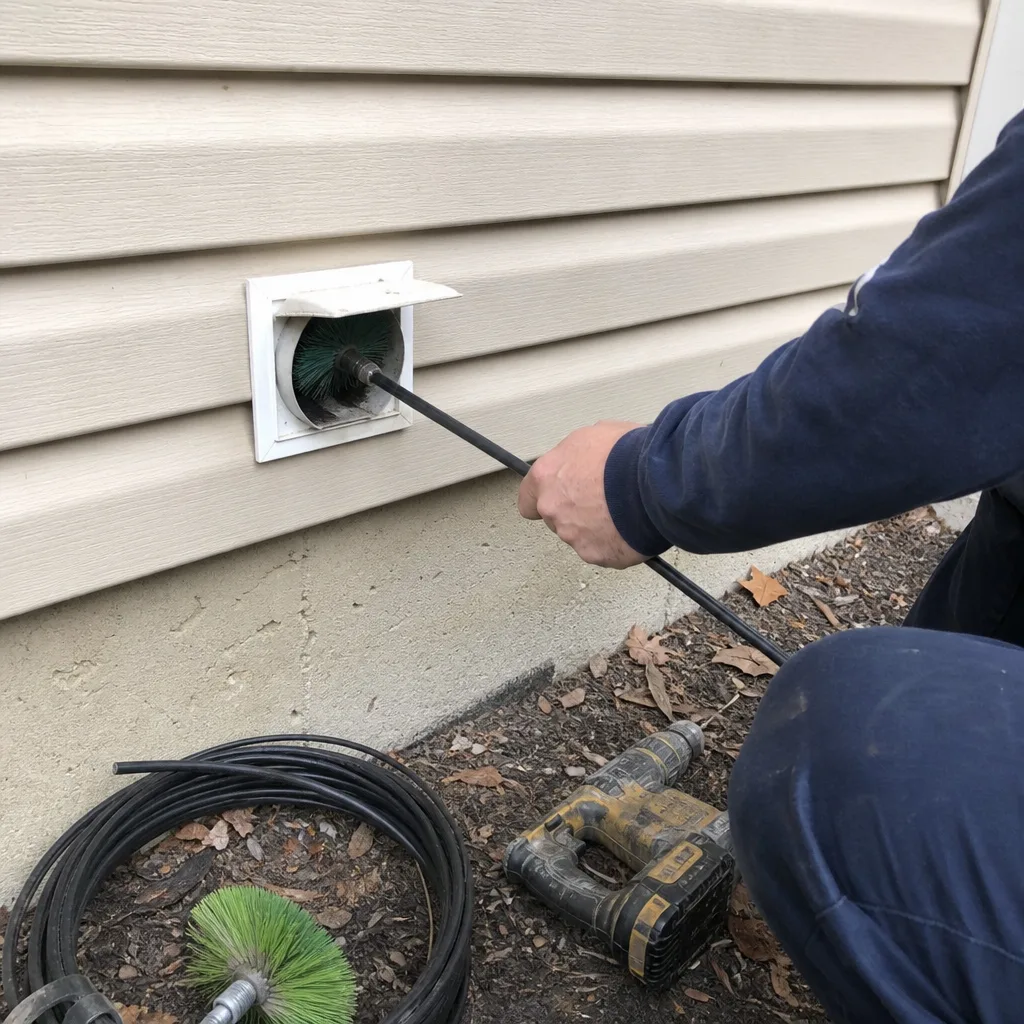
- Equating vent count with system complexity. A home with 18 vents but a single straight trunk line in an unfinished basement is simpler to clean than a home with 12 vents, three zones, and ductwork buried in finished soffits. The quote should reflect access and zoning, not just register totals.
- Ignoring the return side. The return plenum draws air from your living space back to the furnace. It is typically dirtier than supply ducts because it is unfiltered. A quote that prices supply vents but treats returns as a single line item or omits them is under-scoping the job.
- Assuming new construction means clean ducts. Naperville’s 2015-2022 building boom produced homes with construction debris in duct systems: drywall dust, insulation fragments, and wood particles. Builders rarely protect registers during finishing trades. A “new” home may need its first cleaning within two years.
- Accepting verbal estimates for add-ons. The technician who discovers a “surprise” condition and quotes $400 additional on the spot is operating from a playbook. Conditions visible after register removal should have been anticipated in the initial quote or addressed with a written change order before work proceeds.
- Overvaluing brand-name chemical treatments. The EPA does not certify duct cleaning chemicals as improving health outcomes. A registered antimicrobial has legitimate use in specific contamination scenarios. Routine application as a “finishing step” on every job is unnecessary expense.
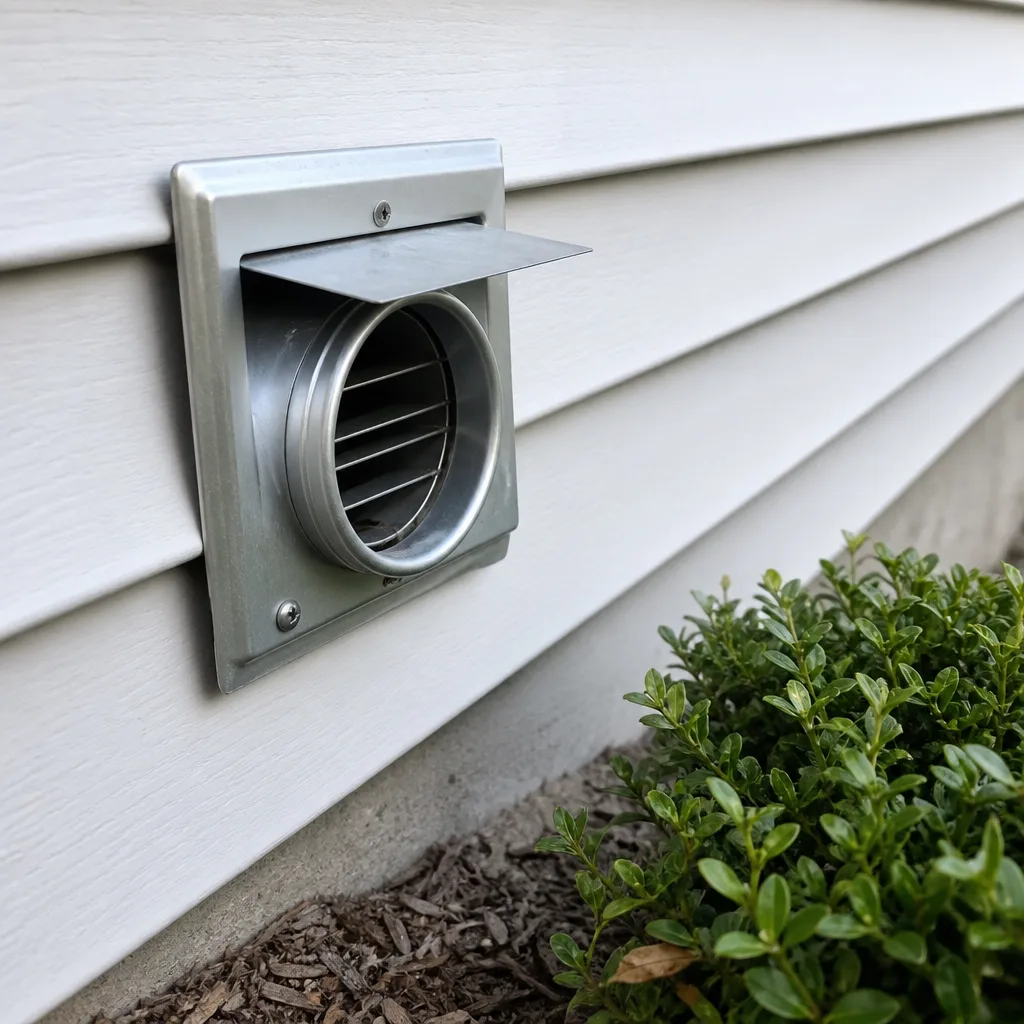
- Neglecting dryer vent routing in two-story homes. Naperville’s newer subdivisions often place laundry rooms on second floors with 25-foot horizontal runs through attic spaces. These routes are lint traps and fire hazards. They are not addressed by duct cleaning equipment and require separate service.
- Failing to verify independent ownership. National booking platforms send whoever is available, with variable training and equipment. An independently owned and operated company under consistent standards, with published license and background-checked crews, provides accountability that dispatch networks do not.
When to Call a Professional
Schedule an inspection, not necessarily a cleaning, when you observe these conditions: visible dust emission from registers when the system cycles; uneven heating or cooling across rooms that persists after filter changes; musty or chemical odors originating from ductwork; recent renovation with drywall or flooring work completed; or water intrusion anywhere in the HVAC system. These symptoms indicate conditions that documentation can confirm or rule out.
For homeowners researching Air Duct Cleaning in Naperville or related services, the first step is a written estimate with itemized scope. CleanRun Air Duct Cleaning Naperville offers free estimates in Naperville. Call (331) 236-5490 to schedule. Every estimate includes a preliminary inspection, a written price before any work starts, and no obligation to proceed. The 365-Day Done Right Promise applies to every job we perform.
Frequently Asked Questions
A thorough cleaning for a typical single-system home with 12 to 18 vents ranges from $380 to $780 in 2026, with most legitimate jobs falling between $450 and $650. Homes with finished basements, zone systems, or heavy flex-duct construction trend toward the higher end. Call (331) 236-5490 for an exact quote on your home; estimates are free.
The $79-$149 quotes are not discounted versions of the same service. They are fundamentally different operations: a brief vacuum at each register with no trunk line or air handler access, performed by commission-paid technicians who must sell upgrades to earn income. The equipment, labor time, and documentation are not comparable to a negative-pressure extraction job. Call (331) 236-5490 for a written itemized quote and compare line by line.
Require a documented photo record of every duct run, before and after, delivered as part of the standard job completion. Verbal assurances and wiped registers are not evidence. At CleanRun, the photo record has been included on every job since 2013, with images dated and stored for warranty reference.
Every three to five years for typical residential systems, or after specific events: renovation, water damage, or observed contamination. Annual cleaning is unnecessary for most Naperville homes and is typically sold through membership programs that optimize company revenue, not homeowner need. Homes near active construction or with mature tree canopy pollen loads may trend toward the shorter end of the interval.
Yes, in specific ways. The humid summer months (June through August) promote microbial growth in condensate areas of the air handler, which can spread to ductwork. The heavy pollen seasons of April through June deposit organic material in return ducts. Winter heating cycles recirculate settled dust. These factors do not typically shorten the three-to-five-year interval, but they make the condition of the air handler and return plenum more consequential when cleaning does occur.
A properly sized UV unit installed at the evaporator coil can suppress microbial growth on the coil surface and in the drain pan, which is a real benefit in humid climates. It does not “purify” air throughout the home. The value depends on whether you have experienced coil fouling, musty odors from the air handler, or drain pan overflow. It is not a universal upgrade. A legitimate provider justifies this recommendation with a specific observed condition, not as a routine add-on.
Duct cleaning addresses the distribution network: trunk lines, branch ducts, and registers. HVAC Cleaning in Naperville extends to the air handler components: blower assembly, evaporator coil, heat exchanger inspection, and drain pan. Some providers use the terms interchangeably, but they are distinct scopes. A quote should specify which components are included. At CleanRun, the base duct cleaning quote explicitly states air handler inclusion or exclusion.
The Bottom Line
Air duct cleaning prices in Naperville range from $79 to over $1,200 for the same house because they describe different services with different equipment, labor, and documentation standards. A legitimate 2026 quote itemizes every charge, names the equipment and method, specifies what is included and excluded, and commits to a written warranty. The number on the invoice only matters if you can verify what was done for it. The photo record, the itemized scope, and the upfront written price are the tools that separate accountable work from vacuum noise. Explore more guides & resources to protect your investment. Since 2013, CleanRun has delivered all three on every job.
Written by Tomas Reyes, Owner at CleanRun Air Duct Cleaning Naperville, serving Naperville since 2013.