
Last updated September 23, 2026
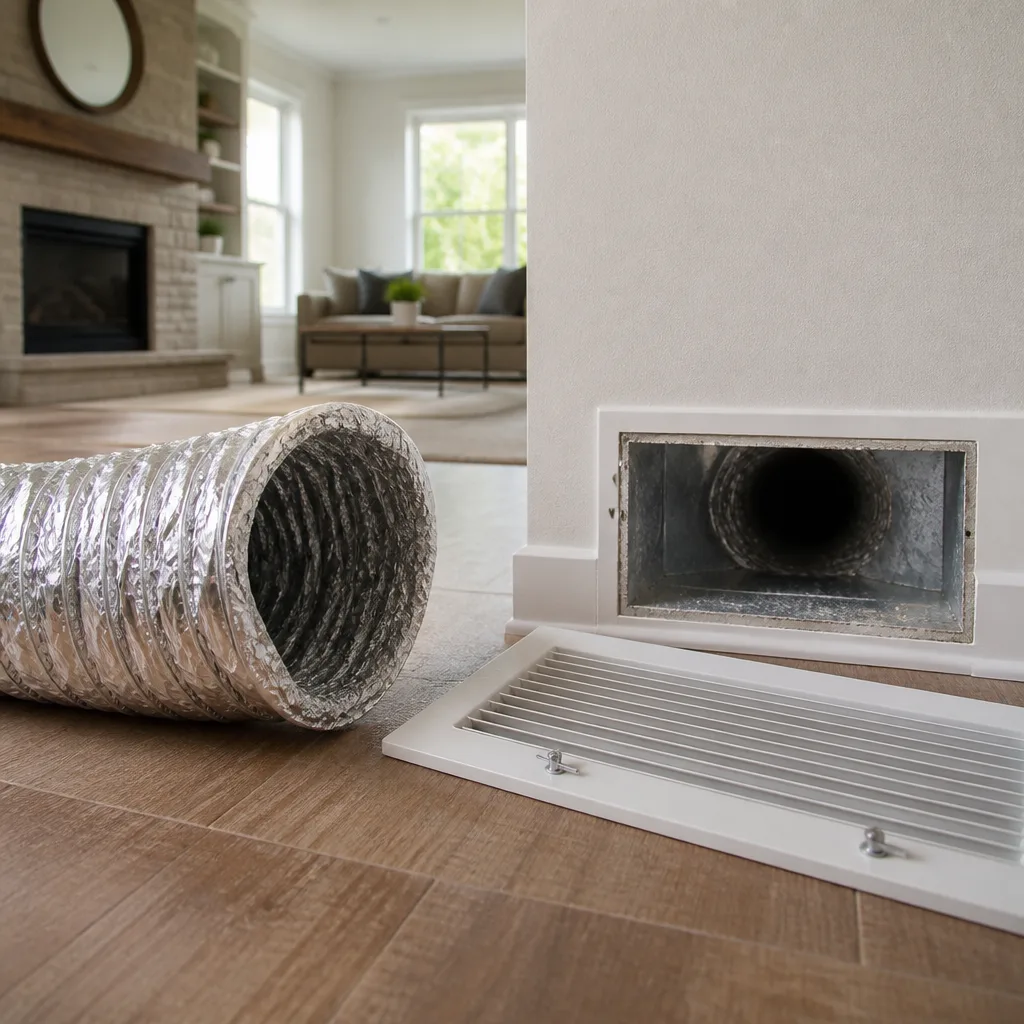
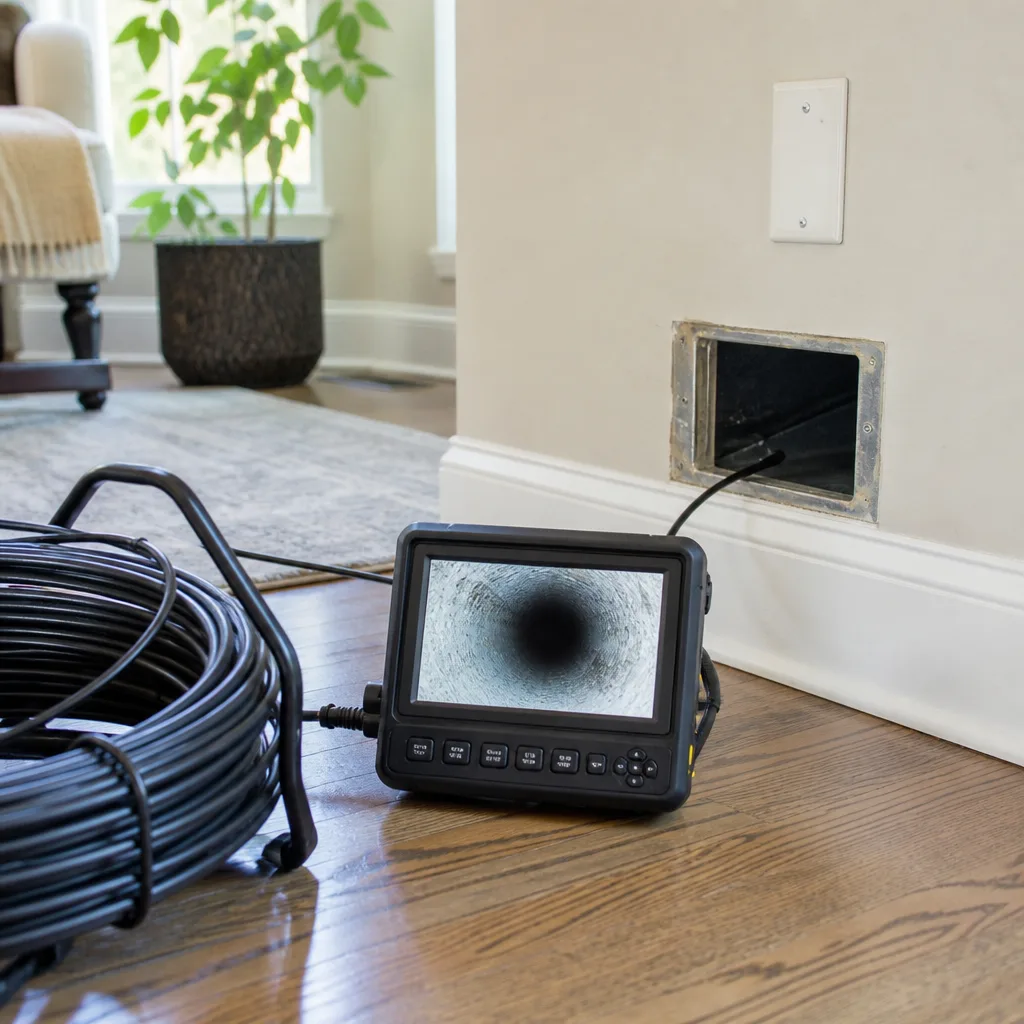
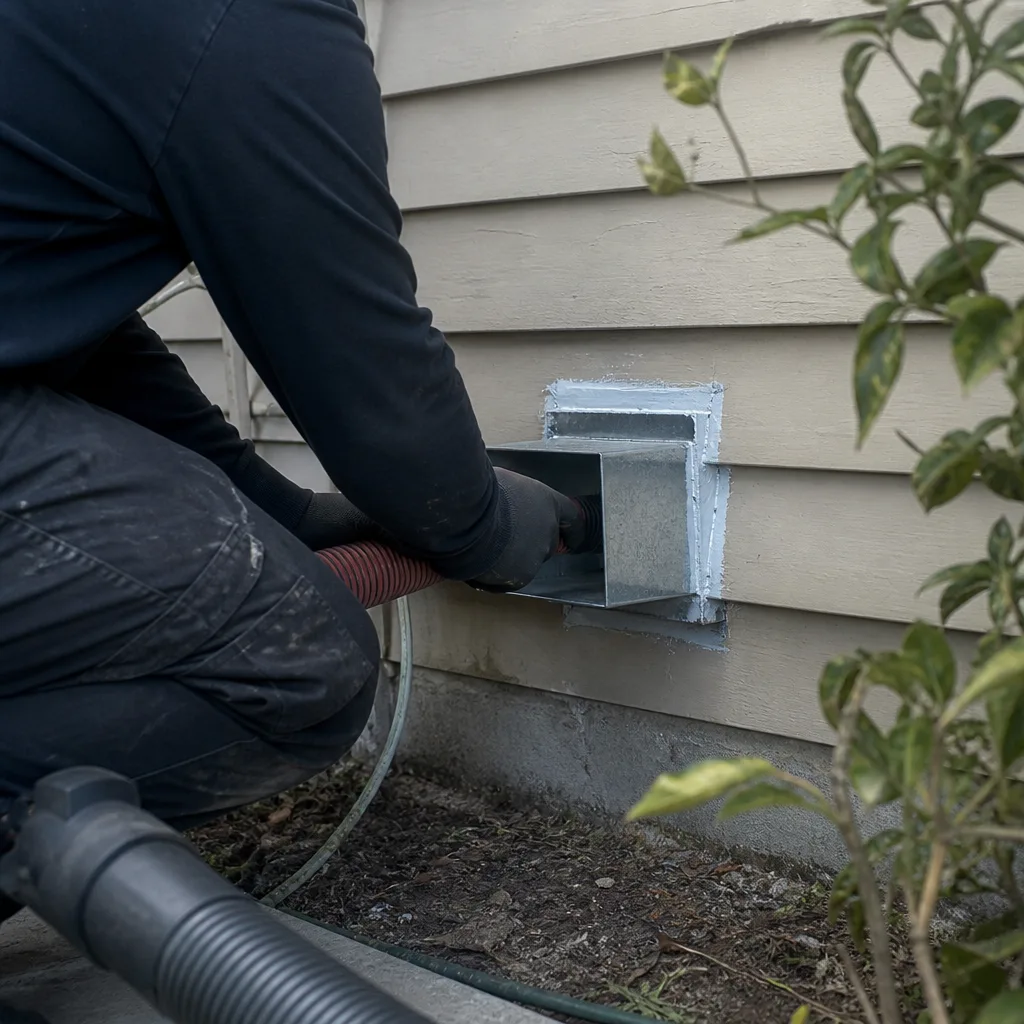
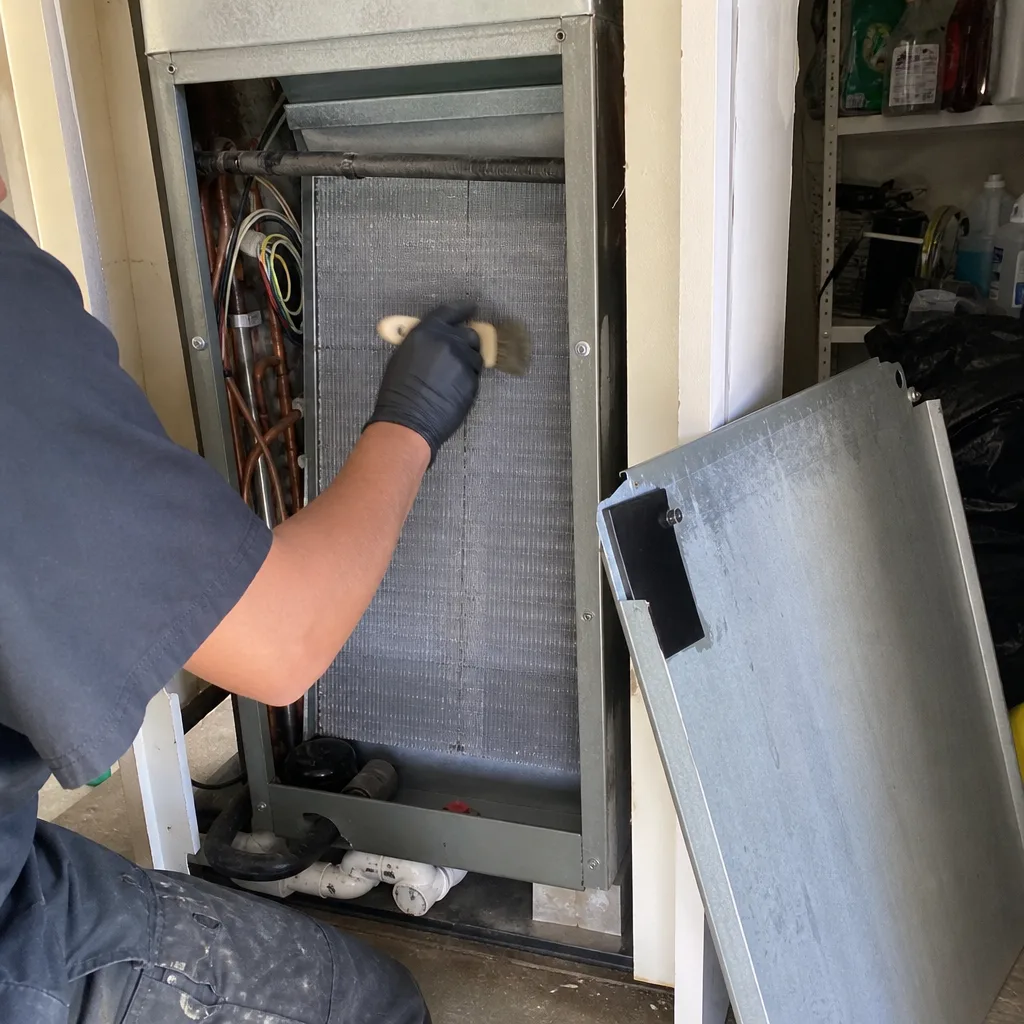
Whole-system duct and dryer vent check with before-and-after photos - you see exactly what came out of your vents
That "$99 whole-house special" is a bait ad - the real number appears once they are in your hallway, or the "clean" is a shop-vac at the register. We photograph the inside of your ducts before and after instead.
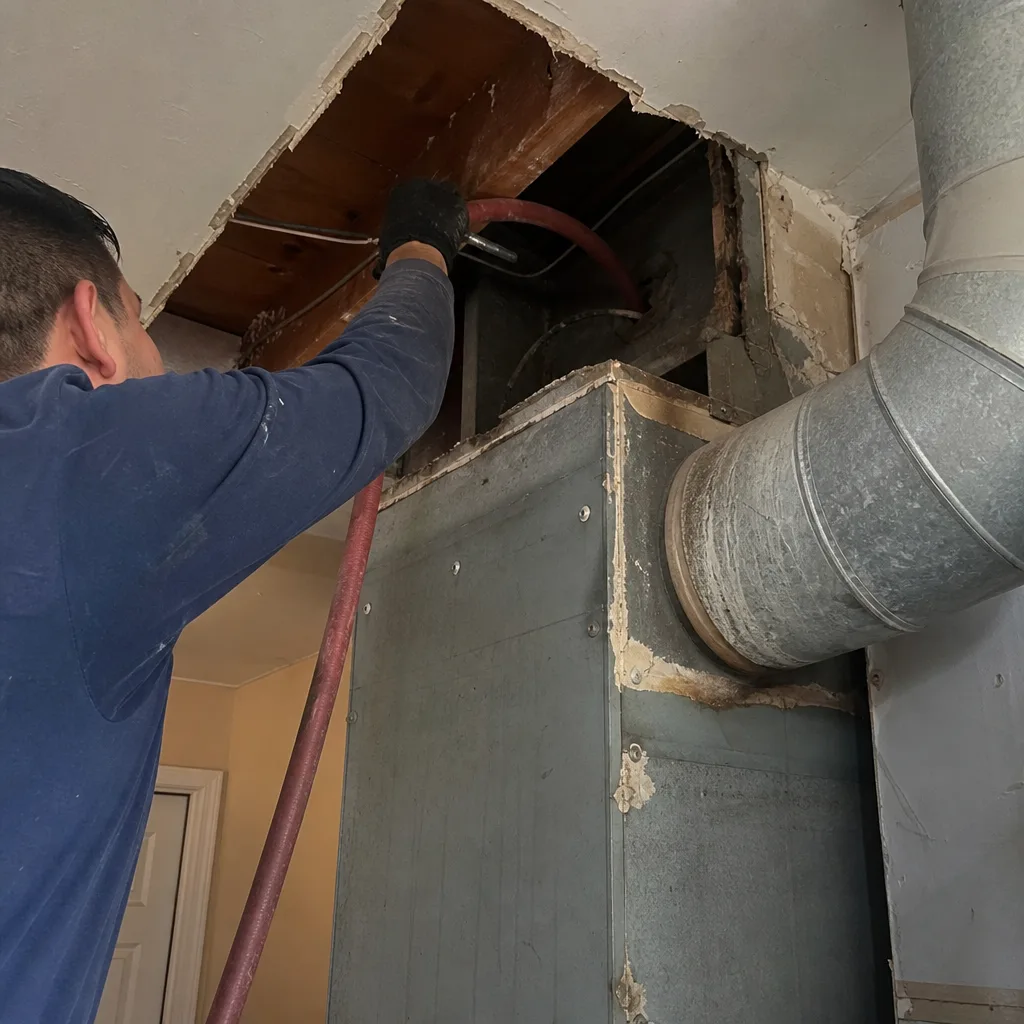 Before
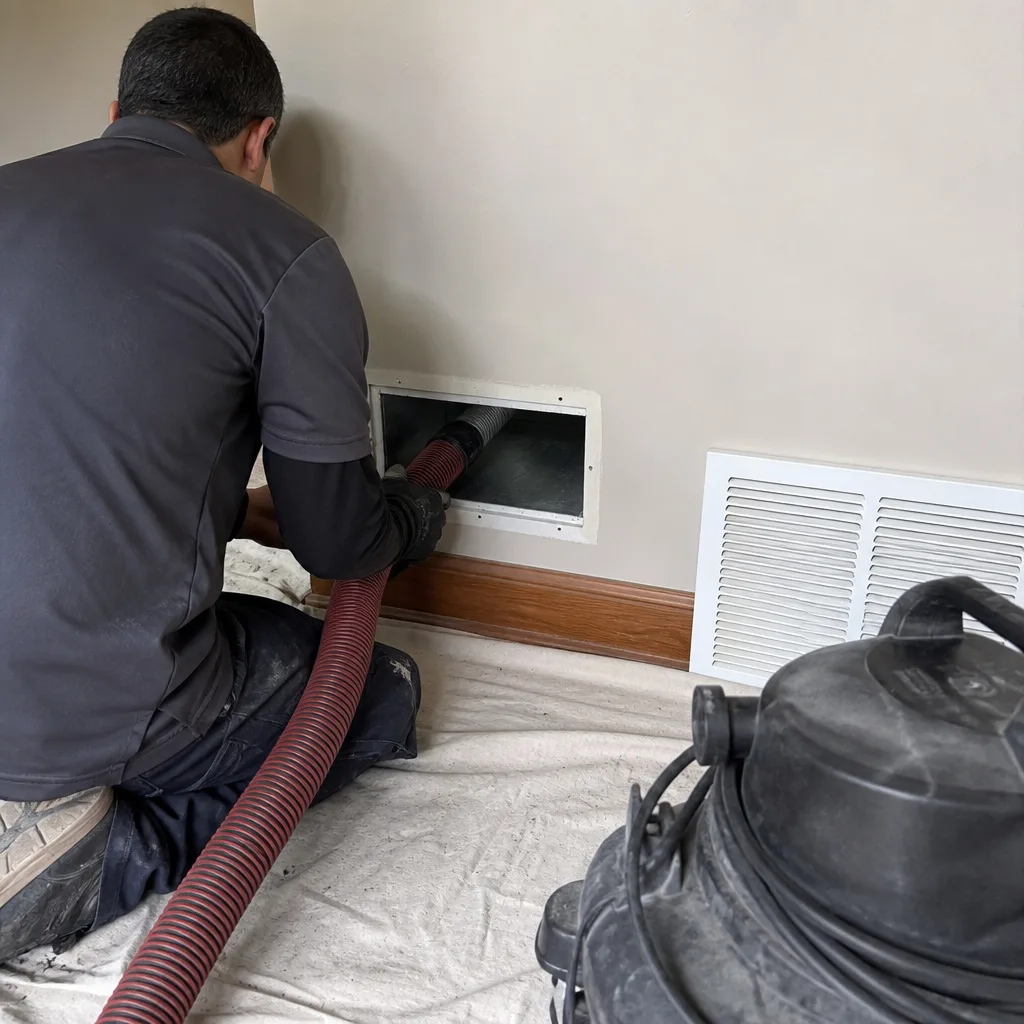 After
After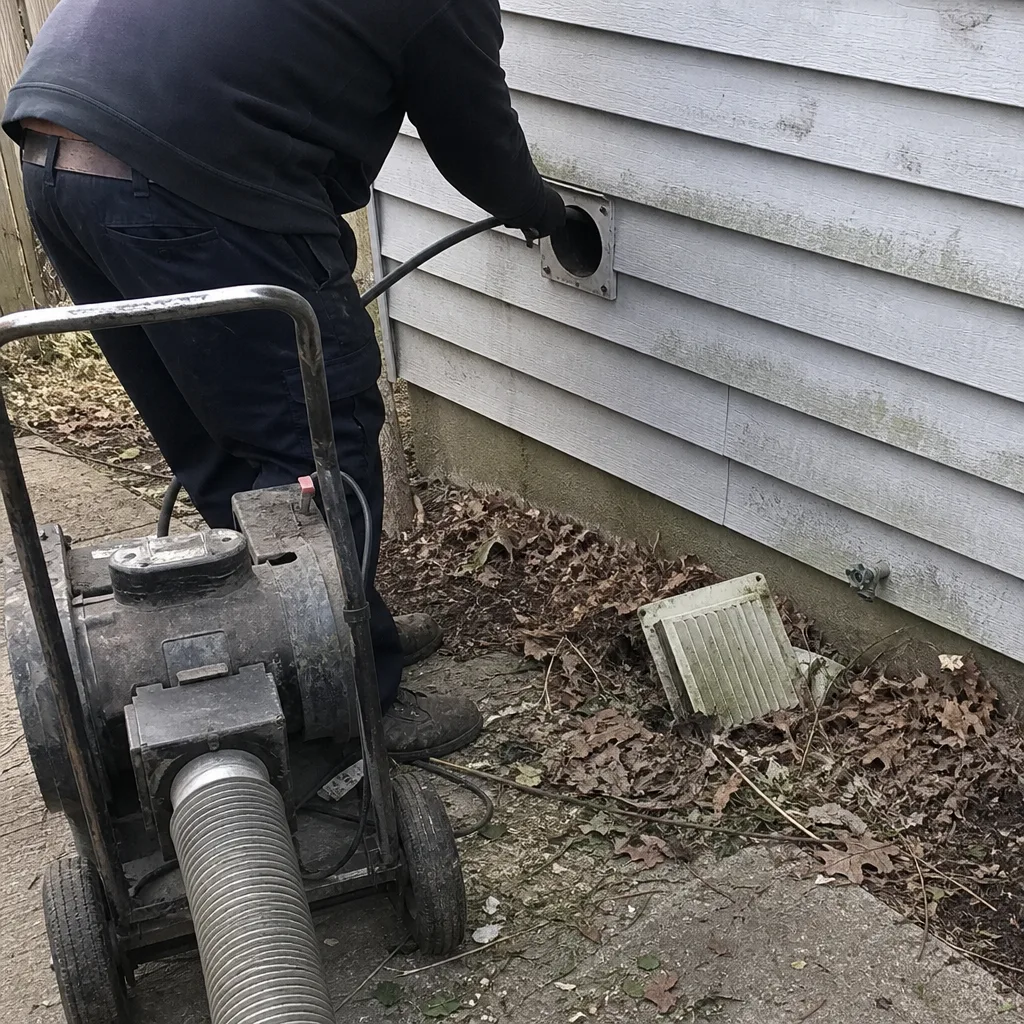 Before
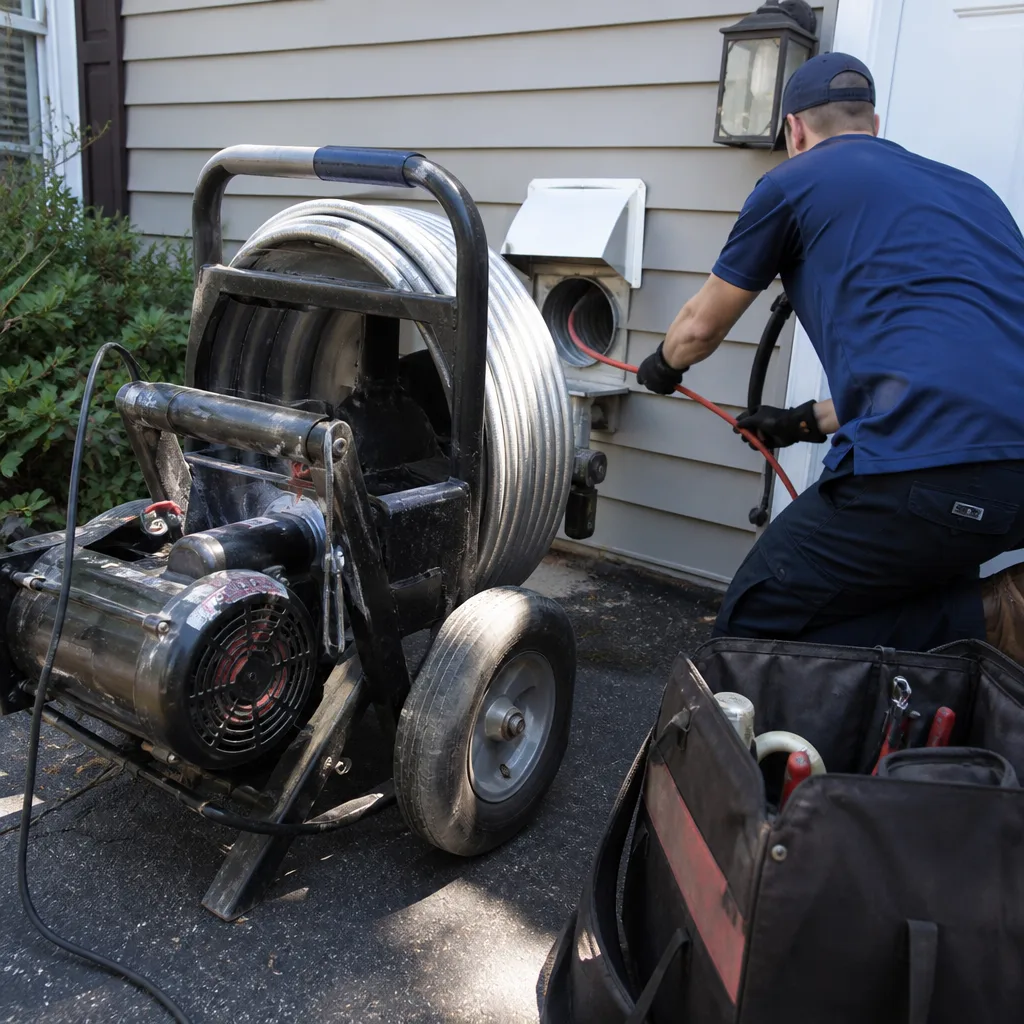 After
After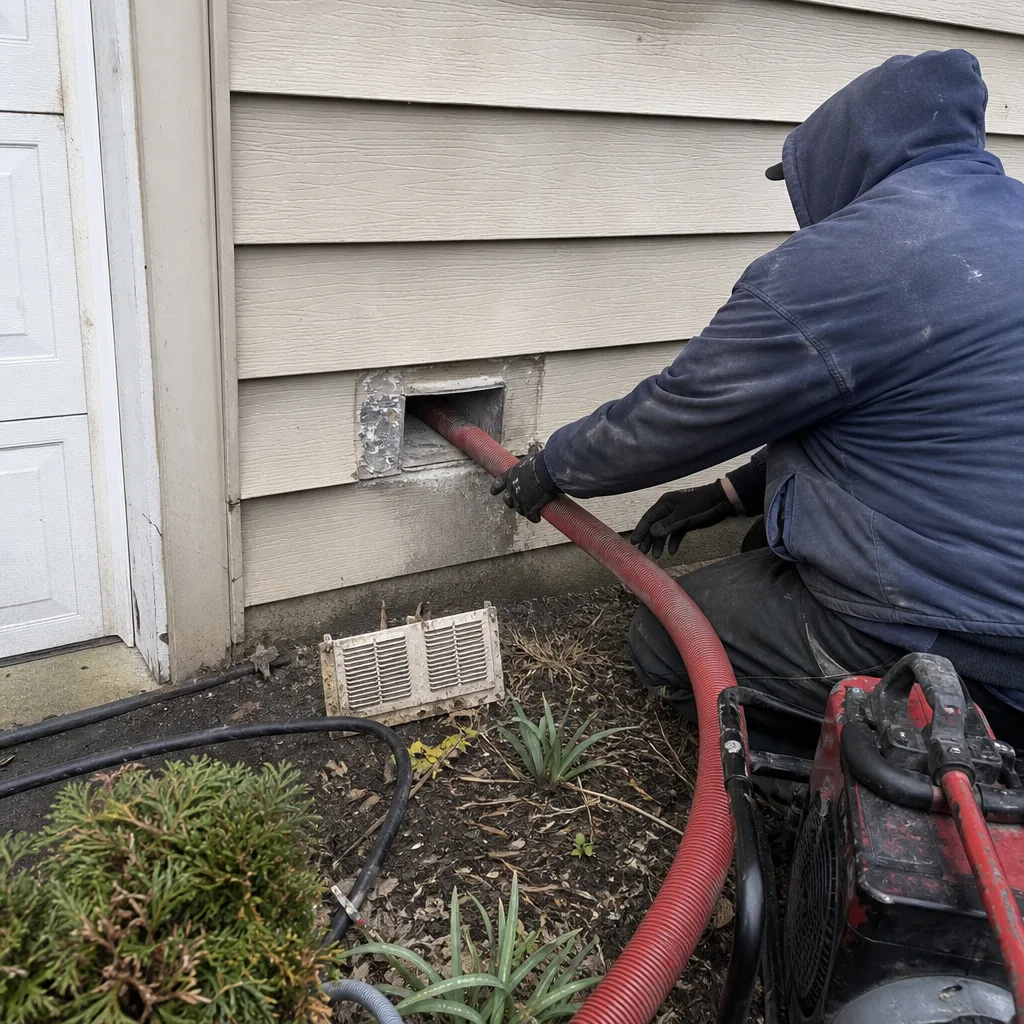 Before
 After
AfterAir Duct Cleaning Maintenance Checklist for Naperville Homeowners
The single most useful thing a Naperville homeowner can do between professional cleanings costs nothing: date and photograph every filter change. That record tells the next technician more about your duct system’s load than any questionnaire. We’ve been in homes across Naperville, from the older slab construction near Ogden Avenue to the newer subdivisions south of 75th Street, where the filter told the whole story before we opened a single panel. This guide draws a clear line between what you can observe yourself and what requires a camera or manometer, and it gives you a written record-keeping format that makes future service calls faster and cheaper.
Quick Answer
A complete Air Duct Cleaning maintenance checklist for Naperville homeowners includes monthly filter changes with dated photos, quarterly register inspections for airflow and debris, annual visual checks of accessible ductwork for condensation or damage, and professional negative-pressure extraction every 3-5 years using equipment like Rotobrush or Abatement Technologies systems. Homes near the DuPage River corridor or with in-floor duct systems may need shorter intervals due to humidity and debris accumulation patterns unique to those conditions.
Table of Contents
- Monthly Homeowner Tasks: What Costs Nothing and Prevents Most Problems
- How to Read a Dirty Filter Like a Technician
- Annual Visual Inspection: What You Can See Without Tools
- Naperville-Specific Factors That Change Your Schedule
- Professional Service Intervals: The 3-5 Year Decision
- Building a Photo Log That Protects You
- What to Check at Every Register
- Equipment and What to Ask Your Technician
BeforeAfterMonthly Homeowner Tasks: What Costs Nothing and Prevents Most Problems
Filter replacement is the entire game at the monthly level. Not “check the filter.” Replace it, date it, photograph it. A $12 pleated filter changed on schedule prevents more duct contamination than any other single action.
Here’s the protocol we’ve refined across 52,000 homes since 2013:
- Replace, don’t inspect. If you’re holding a filter up to the light to decide, you’ve already waited too long. Set a calendar reminder for the first of every month, replace the filter regardless of appearance, and write the date on the frame with a permanent marker.
- Photograph the dirty filter before discarding. Lay it on a neutral surface, include the date in frame, and store the image in a dedicated album. After six months, you’ll have a visual timeline of particulate load that reveals patterns no single filter can show.
- Record the MERV rating you’re using. Naperville homes with forced-air systems commonly run MERV 8-13. Higher isn’t always better, a MERV 13 in an older system can restrict airflow and strain the blower motor. If your filter collapses or shows deformation at the pleats, step down one MERV grade.
- Note any odors at change time. A musty smell indicates moisture in the return plenum, the large central chamber where return ducts converge. A chemical or solvent odor suggests off-gassing from nearby storage. Both warrant closer inspection.
The plenum, for clarity, is the sheet metal box connected to your furnace or air handler where all return air mixes before conditioning. Most homeowners never see it, but the filter sits at its entrance and reports on its condition every month.
One more monthly task: walk your home and confirm every register, the visible grille where air enters or exits a room, is fully open and unblocked. A register closed in a guest bedroom redirects airflow unpredictably through the duct system, increasing static pressure and forcing leaks at joints.
How to Read a Dirty Filter Like a Technician
Not all dirt patterns mean the same thing. The debris pattern on a used filter tells a story about what’s happening inside your ductwork, and learning to read it saves you from unnecessary service calls or missed problems.
Even, light-gray coating across the full surface: Normal particulate load. Your system is doing its job. Continue monthly replacements.
Dark, concentrated band along one edge or corner: This indicates a duct leak on the return side, pulling unfiltered air from a wall cavity, attic, or crawl space. The filter is only processing part of the airflow; the rest bypasses it entirely. This pattern appears frequently in Naperville’s 1960s-1980s slab homes where in-floor ducts run through concrete and develop gaps at penetrations. See our guide on Air Duct Cleaning Warning Signs: A Naperville Homeowner’s Reference Guide for additional red flags, or schedule a professional duct sealing assessment.
Moisture staining, warping, or mold spots: Humidity is entering the return stream. In Naperville, this is common in homes within a half-mile of the DuPage River corridor, where summer humidity stays elevated and basement return plenums can draw damp air. It also appears when a humidifier is over-set in winter. Address the moisture source before replacing the filter, or the new one will saturate within weeks.
Excessive pet hair matting at the face: Normal for pet owners, but if the matting is dense enough to deform the pleats, your system is working harder than designed. Consider a pre-filter or more frequent changes. We’ve photographed filters in Naperville’s pet-friendly neighborhoods, near the dog parks along the Riverwalk, where the hair load required 20-day cycles rather than 30.
Fine, uniform black soot: Possible candle soot, cooking byproduct, or in rare cases, backdraft from a combustion appliance. If you don’t burn candles heavily, this pattern merits a carbon monoxide check and combustion appliance inspection by an HVAC professional.
Document these patterns in your photo log with notes. When you call for service, describe the pattern before the technician arrives. It directs their investigation and demonstrates that you’re tracking system performance, not just reacting to symptoms.
Annual Visual Inspection: What You Can See Without Tools
Once per year, typically in early spring after heating season ends, perform a visual inspection of every accessible component. You need a flashlight, your phone camera, and 45 minutes. No special tools, no disassembly beyond what a homeowner should attempt.
The return air grille and boot: Remove the grille, the decorative cover, and shine a light into the boot, the short metal duct connecting the grille to the main trunk line. Look for:
- Visible debris accumulation more than 1/4 inch deep
- Moisture staining or rust on metal surfaces
- Gaps between the boot and surrounding wall or floor
- Insulation degradation or displacement
The furnace or air handler area: With power off at the disconnect switch, open the blower compartment door. Look at the blower wheel blades. Heavy dust buildup here indicates filter bypass or long change intervals. Note any musty odor when the door opens, this suggests standing water in the condensate pan or biofilm growth.
Exposed ductwork in basement, attic, or crawl space: Follow every accessible run and inspect joints, seams, and supports. You’re looking for:
- Disconnected or sagging sections
- Visible gaps at connections, especially where flex duct meets rigid metal
- Condensation on exterior surfaces during cooling season
- Insulation tears or compression
The condensate drain line: In Naperville’s humid summers, a clogged drain line backs up into the plenum and wicks into downstream ductwork. Verify flow by pouring a cup of water into the drain pan access. It should exit promptly at the floor drain or exterior termination.
Photograph everything. Even components that look fine. Your annual photo set becomes evidence of condition over time, and it’s the first thing we review when a homeowner calls with a complaint about a previous service.
Naperville-Specific Factors That Change Your Schedule
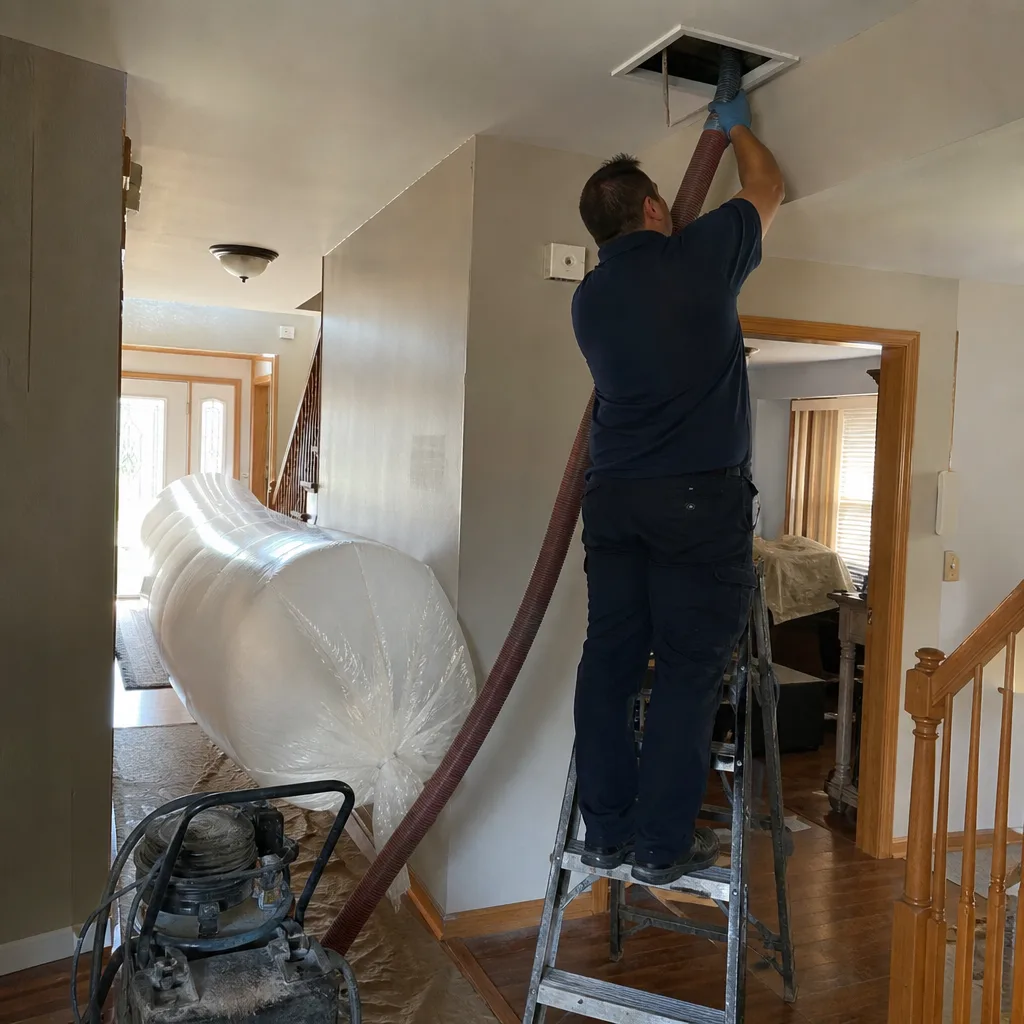
Naperville’s housing stock and geography create distinct duct maintenance profiles. A checklist that ignores these factors is a checklist written for somewhere else.
Older slab homes with in-floor ducts: Neighborhoods east of Washington Street and north of Ogden Avenue include hundreds of homes built 1955-1975 on slab foundations with in-floor supply ducts. These systems pull air through concrete channels that accumulate construction debris, rodent activity, and moisture. The ducts are inaccessible for conventional cleaning without specialized equipment. Homeowners in these homes should inspect registers quarterly for reduced airflow and musty odors, and should expect professional service intervals closer to 2-3 years rather than 5. Before scheduling, review Air Duct Cleaning Permits, Codes & Inspections in IL: What You Need to Know to ensure compliance. We’ve documented cases in the Highlands and East Highlands where in-floor systems contained debris layers exceeding 2 inches at the first elbow, the bend where duct direction changes.
DuPage River corridor humidity: Homes within roughly a half-mile of the river, including areas near Knoch Park and the Riverwalk, experience sustained summer humidity 10-15% above Naperville’s inland baseline. This moisture loads the return stream and promotes microbial growth in fiberglass-lined ductwork. Annual inspections in these homes should emphasize moisture indicators: filter warping, register condensation, and musty startup odors in spring.
New subdivision construction debris: South Naperville subdivisions built 2015-2025, including sections of Ashwood Park and Tall Grass, frequently contain drywall dust, wood particulate, and fastener debris in ductwork from original construction. Builders’ “rough cleans” leave substantial material behind. Homeowners in these homes should schedule an initial professional cleaning within 18-24 months of occupancy, earlier if respiratory symptoms appear or if register dust accumulation is visible within months of moving in.
Mature tree canopy and seasonal pollen: Naperville’s established neighborhoods, particularly near the Morton Arboretum corridor and North Central College campus, experience heavy spring pollen loads. Outdoor air intakes, where present, and window leakage around older frames introduce this material. MERV 11-13 filters during April-June are justified here, provided the blower can handle the static pressure.
These factors don’t appear on generic checklists because they require local knowledge. We’ve adjusted our protocols for Naperville conditions since our first job here in 2013, and we document the specific findings for each home type in our service records. For additional maintenance strategies, explore our more guides & resources.
Professional Service Intervals: The 3-5 Year Decision
The industry default of “every 3-5 years” is accurate but unhelpful without criteria. Here’s how to decide where your home falls in that range, and what the service should include.
Shorter interval indicators, 2-3 years:
- Visible debris at registers between annual inspections
- Respiratory symptoms that improve away from home
- Recent renovation with drywall or flooring work
- In-floor duct system, as noted above
- Multiple pets or indoor smoking history
- Previous evidence of rodent or insect intrusion
Standard interval indicators, 3-5 years:
- Consistent filter maintenance with no bypass patterns
- No moisture issues or musty odors
- Post-construction initial cleaning completed
- Forced-air system with conventional overhead ductwork
What professional service should include:
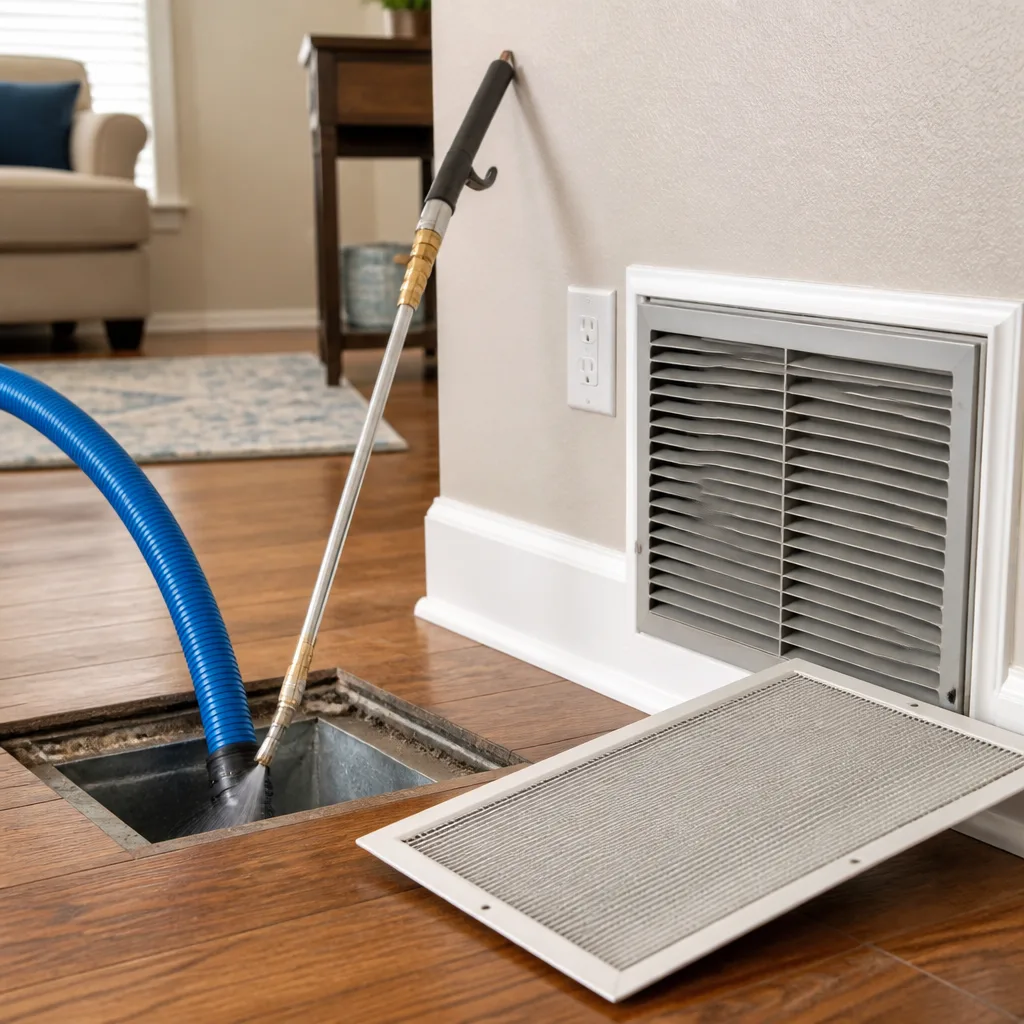
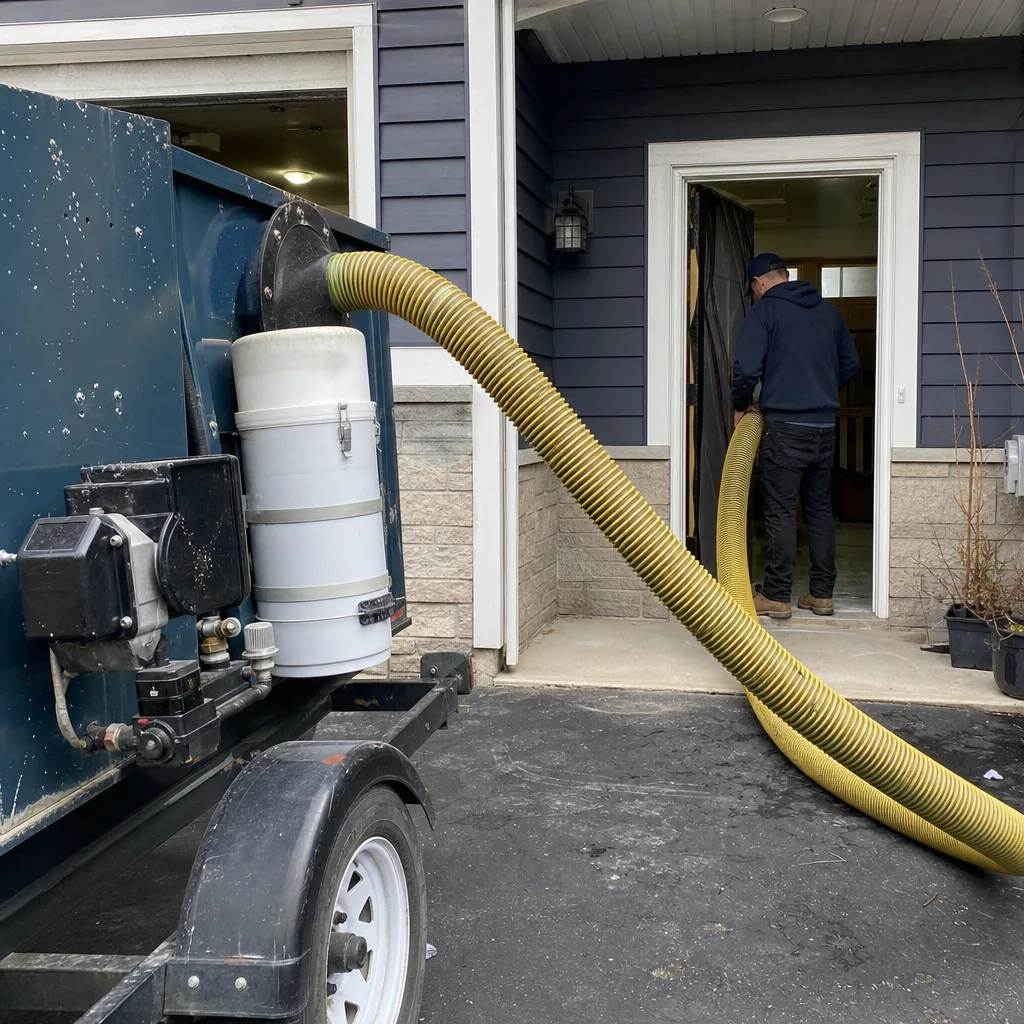
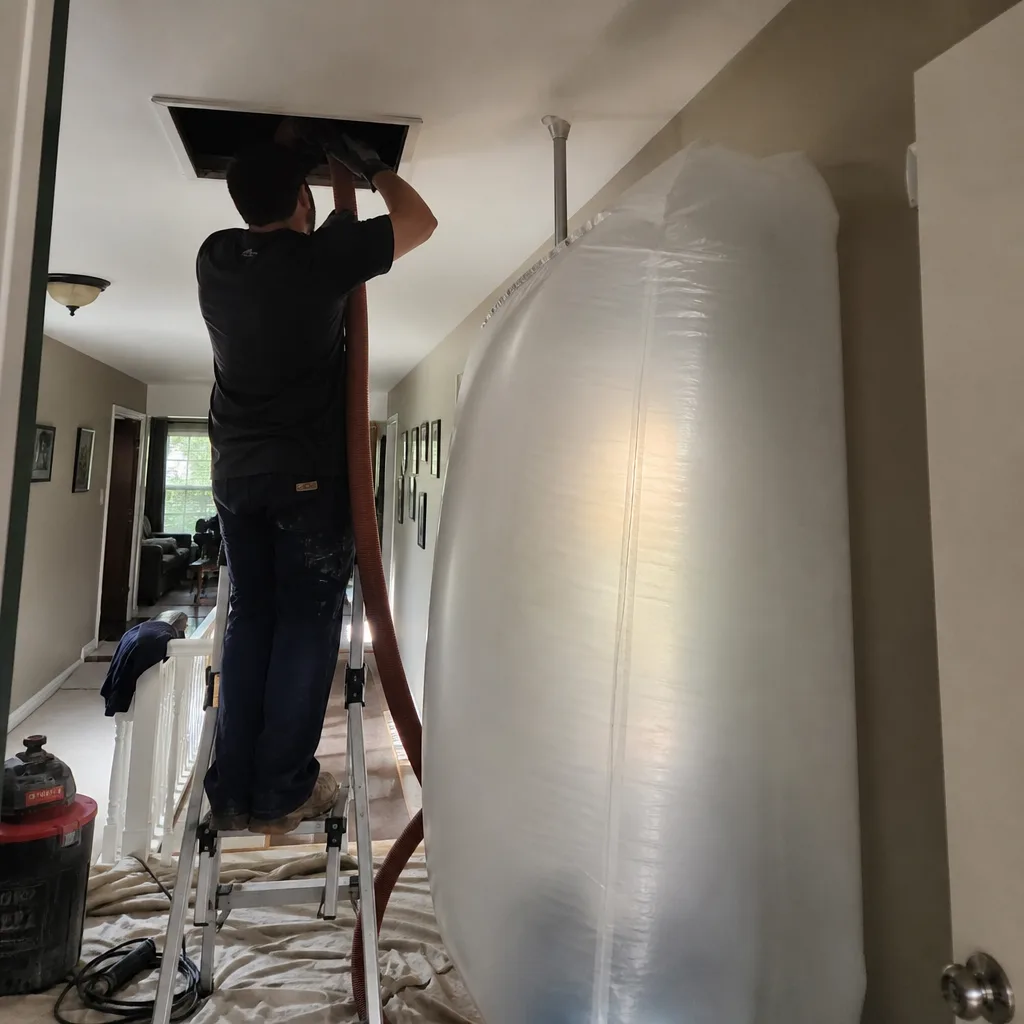
Negative-pressure extraction, the industry standard method, connects a large vacuum to your duct system to create suction throughout all runs while agitation tools dislodge debris. The technician should photograph the interior of every duct run before and after. This is not a courtesy, it’s documentation that distinguishes real work from vacuum noise at the register.
Ask specifically:
- What equipment brand will be used? Rotobrush, Nikro, and Abatement Technologies are recognized trade manufacturers. A technician who cannot name their equipment is a technician who may be using inadequate tools.
- Will every duct run be photographed? Not “can you take photos,” but “is a photo record included as standard?”
- What is the written price before work starts? Haven Standard Clause 1 requires this. “Call for a quote” is not an acceptable answer.
Air Duct Cleaning in Naperville through CleanRun includes all of the above, with the 365-Day Done Right Promise backed in writing on every job. Our equipment roster includes Rotobrush and Abatement Technologies systems, named here so you can verify specifications independently.
Building a Photo Log That Protects You
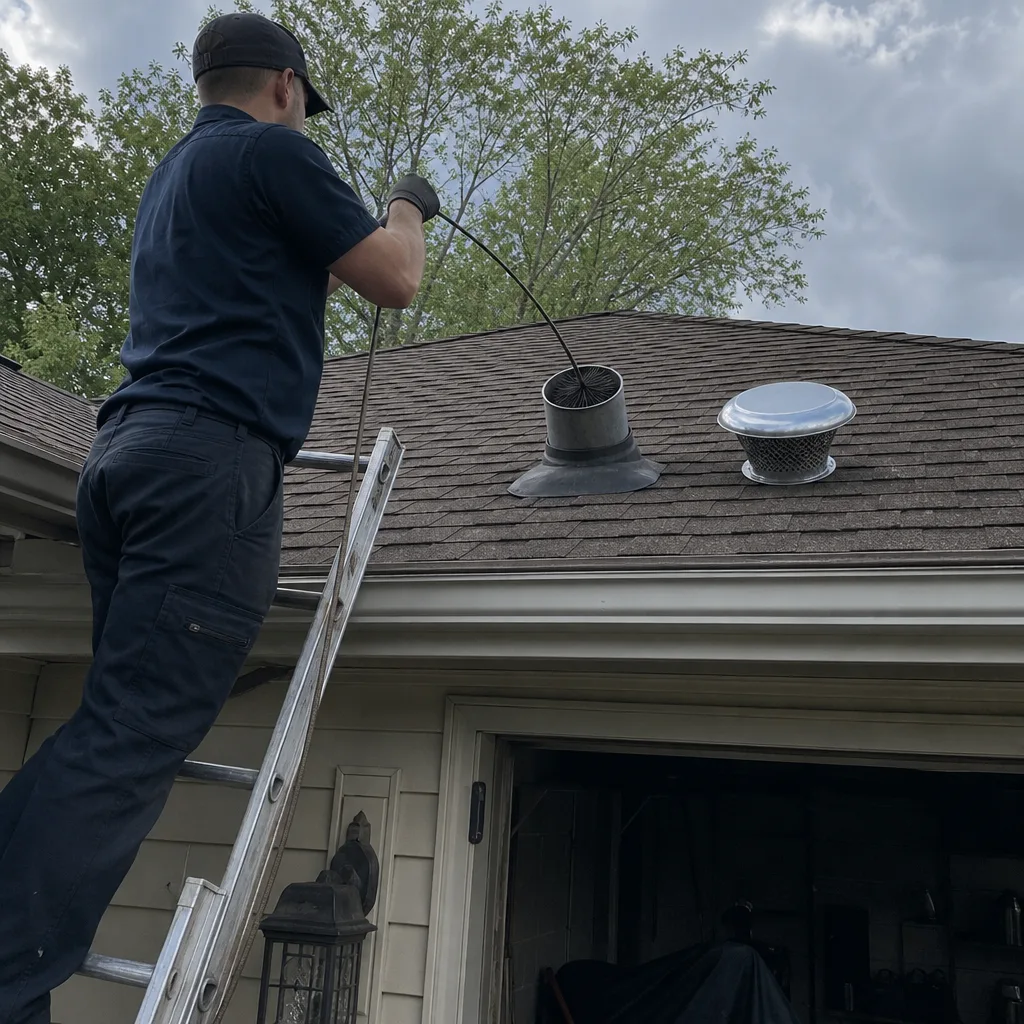
The photo log is your leverage in any service dispute, your evidence for warranty claims, and your fastest path to accurate future quotes. Build it simply, maintain it consistently.
Structure:
- Create a dedicated album or folder named by address and “HVAC Maintenance.”
- Standardize each entry with: Date, location in home, component photographed, and brief note. Example: “2024-03-15, master bedroom register, boot interior, light dust, no moisture.”
- Include context in every frame: A ruler or common object for scale, the date written on paper visible in shot, and enough surrounding area to confirm location.
- Organize by date and by system zone: Upstairs, downstairs, basement, attic. This lets you track degradation by location.
What to photograph:
- Every filter at change, dirty side up, date visible
- Every register and boot at annual inspection
- Any anomaly, moisture, damage, or debris found
- Service technician’s before/after photos, requested and stored with your own
- Written estimates and invoices, to track pricing and scope over time
When you call for service, reference your log. “I’ve got 18 months of filter photos showing increasing load, and last April’s annual inspection found moisture staining at the basement return.” This statement gets you a more accurate quote, a more targeted service, and respect from any competent technician. It also protects you if a dispute arises, you have dated, photographic evidence of pre-existing conditions and progressive changes.
We’ve resolved customer concerns in minutes by pulling our own photo records and comparing them to the homeowner’s log. When both parties have documentation, disputes become discussions of fact rather than conflicting memories.
What to Check at Every Register
Registers are your windows into the duct system. A quarterly walk-through, five minutes per floor, catches most developing problems before they require expensive intervention.
Airflow consistency: Hold your hand or a tissue at each register with the system running. Note any register with noticeably weaker flow than others on the same floor. Weak flow indicates blockage, duct separation, or damper closure in that branch. In Naperville’s two-story homes, some second-floor weakness in summer is normal due to stack effect, warm air rising, but significant imbalance warrants investigation.
Visible debris: Shine a flashlight into the register. Dust accumulation on the grille fins is normal and wipeable. Debris visible past the boot into the duct run, the horizontal or vertical trunk line, indicates upstream contamination requiring professional cleaning. We’ve found construction debris, toys, and pest nesting material at this depth in Naperville homes.
Condensation: In cooling season, registers in humid conditions may show moisture. Occasional droplets during extreme weather are not alarming. Persistent wetness, staining on surrounding wall or ceiling, or mold growth on the register itself indicates supply air temperature too low for the humidity level, or duct insulation failure. Both conditions damage structure over time and degrade indoor air quality.
Grille condition: Bent or damaged grilles disrupt airflow patterns and can whistle. Missing screws allow grille movement and air leakage. Replace damaged grilles, they’re inexpensive and affect both aesthetics and performance.
Odor at startup: A brief dusty smell when heat first cycles in fall is normal, accumulated dust on heat exchanger surfaces burning off. A musty or chemical odor that persists indicates contamination requiring professional assessment.
Record your findings in your photo log with date and location. Patterns emerge over time that single inspections cannot reveal.
Equipment and What to Ask Your Technician
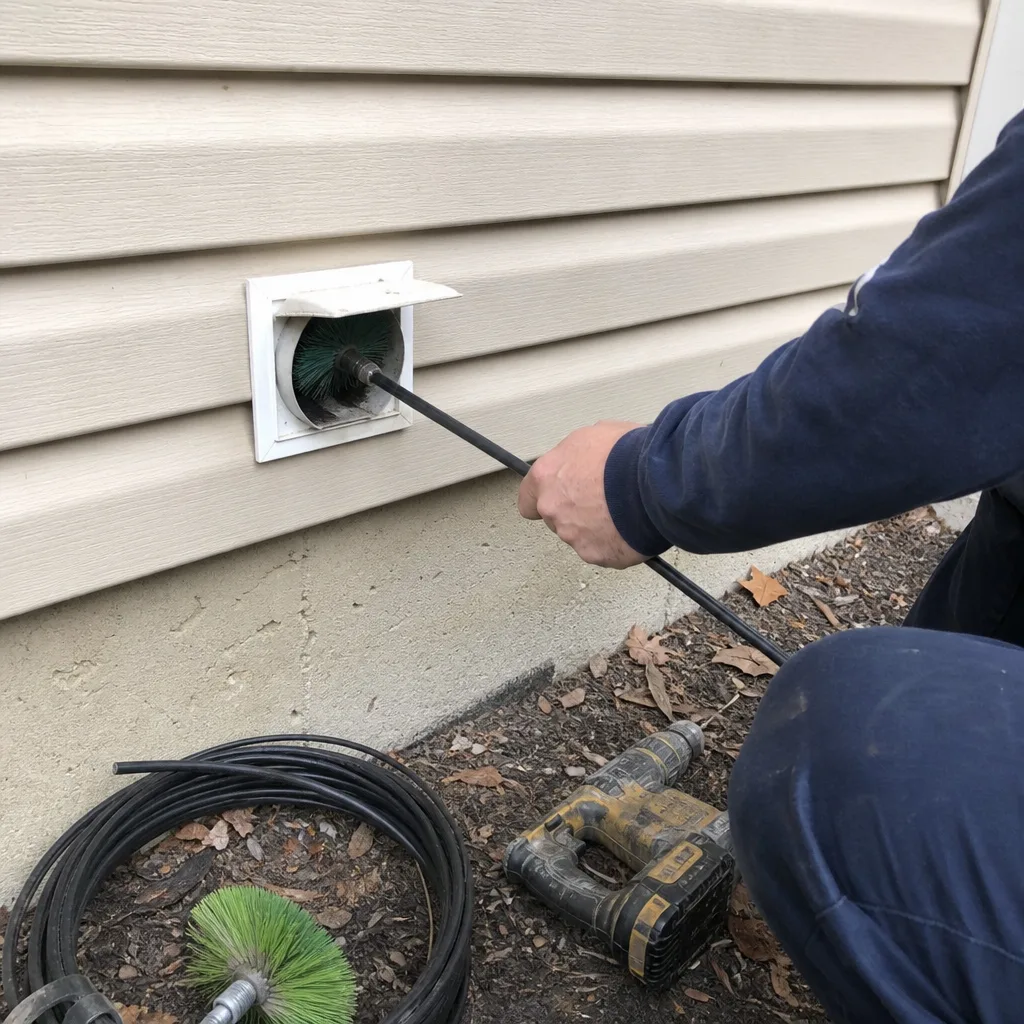
The equipment used for duct cleaning matters, and you can verify it before agreeing to service. Professional-grade systems from recognized manufacturers produce measurable results and can be researched independently.
Negative-pressure systems: These large vacuums, typically mounted on trucks or portable units, create suction throughout the duct network. Brands like Nikro and Abatement Technologies manufacture systems with documented airflow and filtration specifications. A technician should be able to state the vacuum’s CFM rating and the filtration stage, HEPA final filtration is standard for quality work.
Agitation tools: Compressed air whips, rotary brushes, and powered rods dislodge debris for vacuum extraction. Rotobrush manufactures rotary brush systems with self-contained vacuum and camera options. The key question is whether the tool reaches every duct run, including distant branches and elbows.
Sanitizing equipment: When microbial contamination is confirmed, not suspected, EPA-registered sanitizers applied with proper equipment may be warranted. Aprilaire and Guardsman produce products and application systems for this purpose. Be wary of “fogging” as a standalone service without prior debris removal, fog settles on existing debris and provides minimal lasting benefit.
What to ask before booking:
- What specific equipment will be used on my home? Request brand names.
- Is a photo record included for every duct run, before and after?
- What is the written price, and what does it include? Per-system pricing, not per-vent, is the transparent standard.
- What does the warranty cover, and for how long? CleanRun’s 365-Day Done Right Promise covers workmanship and results, not just equipment failure.
CleanRun Air Duct Cleaning Naperville home services include equipment from the manufacturers named above, with specifications available for customer review before any work begins. Haven Standard Clause 1 requires written pricing; Haven Standard Clause 3, Verified Crews, requires background-checked, uniformed technicians identified by name before arrival.
Common Mistakes to Avoid
- Buying on coupon price alone. The $79 duct cleaning special in Naperville typically covers a brief vacuum at accessible registers, not full-system negative-pressure extraction. The final invoice often exceeds $400 after upsells. Demand a written scope and price before work starts.
- Using the wrong filter MERV for your system. A MERV 13 in an older blower designed for MERV 8 restricts airflow, strains the motor, and can cause coil freezing in summer. Check your equipment manual or ask your HVAC technician for the maximum recommended rating.
- Ignoring in-floor duct peculiarities. Naperville slab homes with in-floor systems require specialized cleaning approaches. Standard rotary brushes may not navigate concrete channels. Verify your technician has experience with this construction type.
- Skipping documentation. Without your own photo log, you’re dependent on service providers’ records, which may not survive company changes or disputes. Your documentation is your protection.
- Over-cleaning. Annual professional duct cleaning is unnecessary for most homes and can damage duct seals or insulation. Follow the interval criteria above, not a sales-driven schedule.
- DIY compressed air cleaning. Blowing debris deeper into the system with a shop vacuum or compressed air without containment spreads contamination and can damage flexible ductwork. Negative-pressure containment is required for proper extraction.
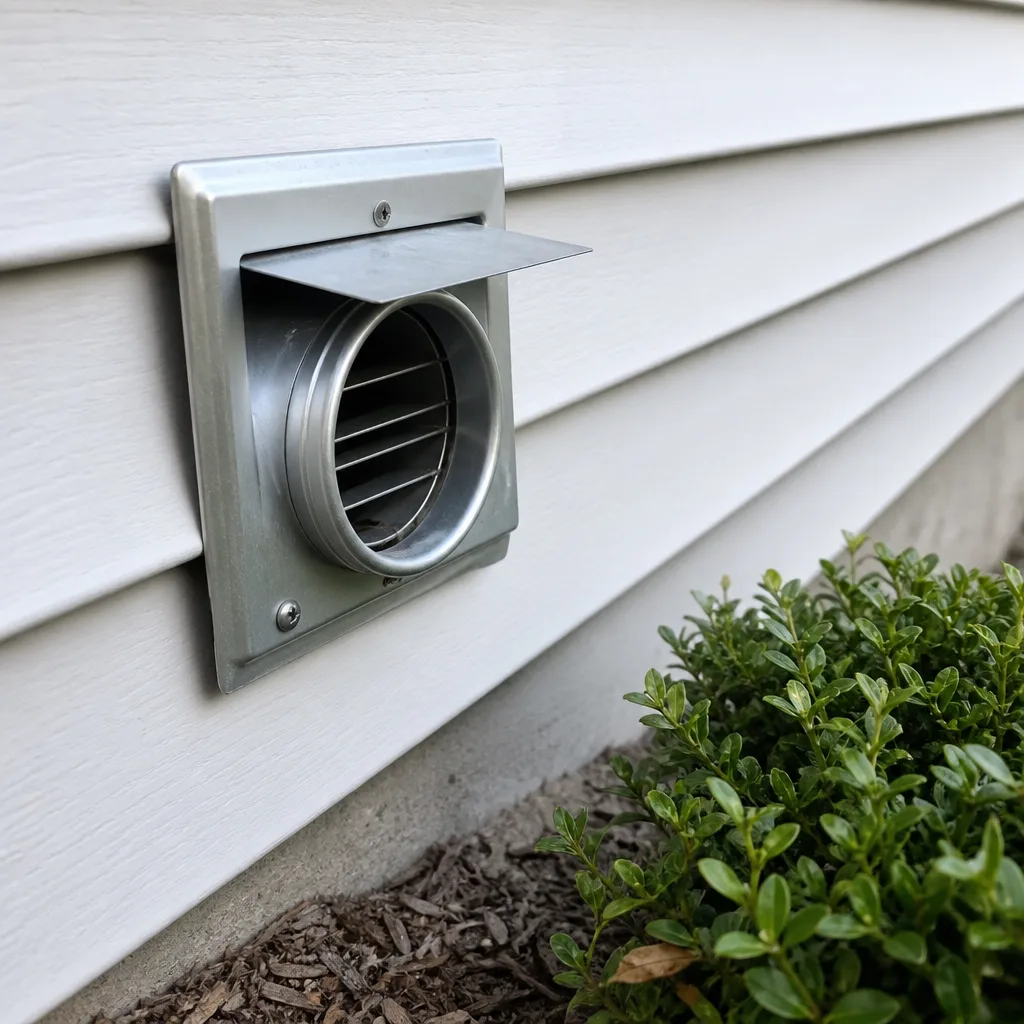
- Neglecting the dryer vent. Lint accumulation in dryer vents, which share exterior termination points with some duct systems, creates fire hazard and restricts airflow. Dryer Vent Cleaning in Naperville should be part of your maintenance plan, typically annually.
When to Call a Professional
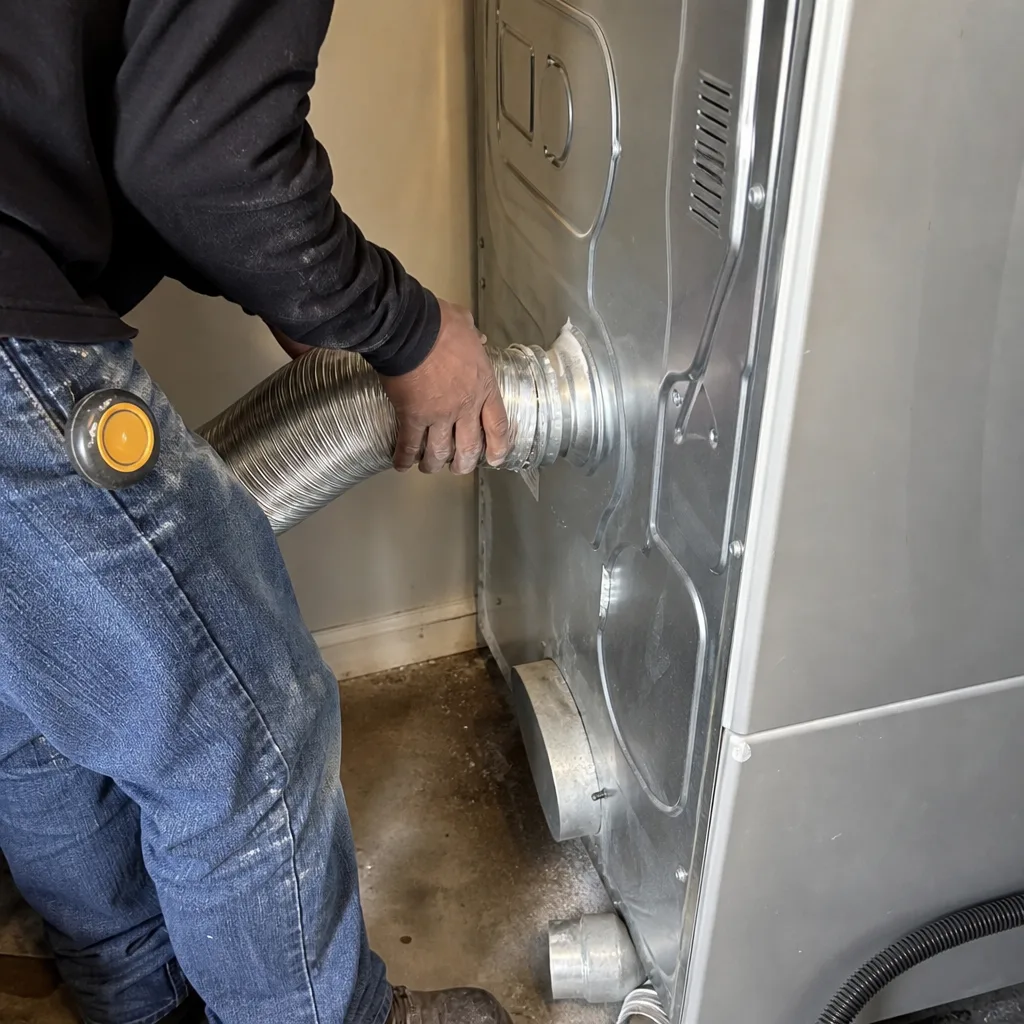
Call for professional assessment when: you observe persistent moisture or mold at any register; airflow has measurably declined across multiple rooms; your filter shows bypass patterns indicating duct leakage; construction or renovation work has occurred; or your photo log shows progressive degradation over two or more inspection cycles. Also call if you experience respiratory symptoms that correlate with system operation, particularly in Naperville’s newer subdivisions where construction debris may still be present.
CleanRun Air Duct Cleaning Naperville offers free estimates in Naperville, call (331) 236-5490. Every estimate includes a written price before any work begins, and every completed job includes a Documented Photo Record of every duct run. We also provide HVAC Cleaning in Naperville for comprehensive system maintenance.
Frequently Asked Questions
Whole-system air duct cleaning in Naperville typically ranges $400-$700 for a standard single-family home, depending on system size, accessibility, and contamination level. CleanRun provides a written price before any work starts under Haven Standard Clause 1, with no per-vent add-ons or post-arrival upsells. Call (331) 236-5490 for a specific estimate, estimates are free.
Low quotes usually cover register vacuuming only, not full-system negative-pressure extraction with agitation. The $79-$129 specials common in Naperville marketplaces typically add charges for “additional vents,” “sanitizing,” and “deep cleaning” once the technician arrives. A legitimate whole-system price is quoted in writing before work begins and includes all duct runs, the plenum, and the blower compartment. Ask what equipment brand will be used and whether every run will be photographed.
Demand a photo record showing the interior of every duct run before and after service. CleanRun includes this as standard on every job, delivered to the customer as part of the job record. Without photographic evidence, you’re trusting a verbal report. Also verify that the technician ran the system post-cleaning to check for airflow balance and filter seal integrity.
Most Naperville homes with conventional overhead ductwork need professional cleaning every 3-5 years with consistent filter maintenance. Homes with in-floor ducts, recent construction, multiple pets, or moisture issues may need 2-3 year intervals. The DuPage River corridor’s elevated humidity can shorten intervals for affected homes. Your photo log and filter history are the best guides, not a calendar.
You can and should maintain filters, registers, and visible components. You cannot safely or effectively clean the full duct system without negative-pressure containment equipment and agitation tools. DIY attempts with shop vacuums or compressed air redistribute debris and can damage flexible ductwork or dislodge seals. For the duct runs themselves, hire a professional with documented equipment and procedures.
Ask five specific questions: What equipment brand will you use? (Look for Rotobrush, Nikro, Abatement Technologies.) Is a photo record included for every duct run? What is the written price before work starts, and what does it include? What warranty or guarantee backs the work? Are your technicians background-checked and uniformed? CleanRun answers all five under the H.A.V.E.N. Standard, with license number available on request and Haven Standard Clause 3 requiring verified crew identification.
The Bottom Line
A useful air duct maintenance checklist separates what you can do from what requires professional equipment, and it builds a record that makes every future service call more efficient. Date and photograph every filter change. Inspect registers quarterly for airflow, debris, and moisture. Conduct an annual visual inspection of accessible components. Schedule professional negative-pressure extraction every 3-5 years, or sooner if Naperville-specific factors apply to your home. Document everything. The homeowner with a photo log gets accurate quotes, effective service, and protection from both unnecessary work and inadequate work. The homeowner without one is guessing.
Written by Tomas Reyes, Owner at CleanRun Air Duct Cleaning Naperville, serving Naperville since 2013.