
Last updated September 23, 2026
Whole-system duct and dryer vent check with before-and-after photos - you see exactly what came out of your vents
That "$99 whole-house special" is a bait ad - the real number appears once they are in your hallway, or the "clean" is a shop-vac at the register. We photograph the inside of your ducts before and after instead.
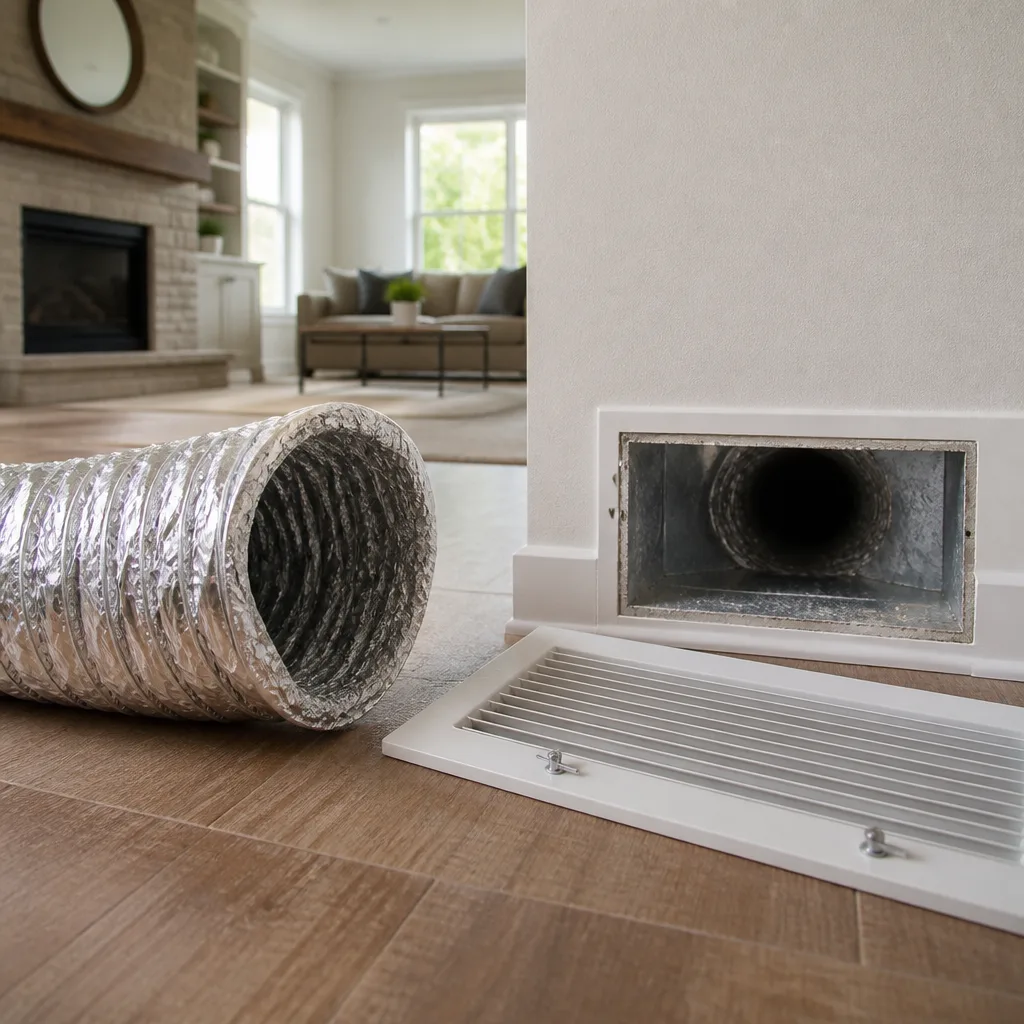
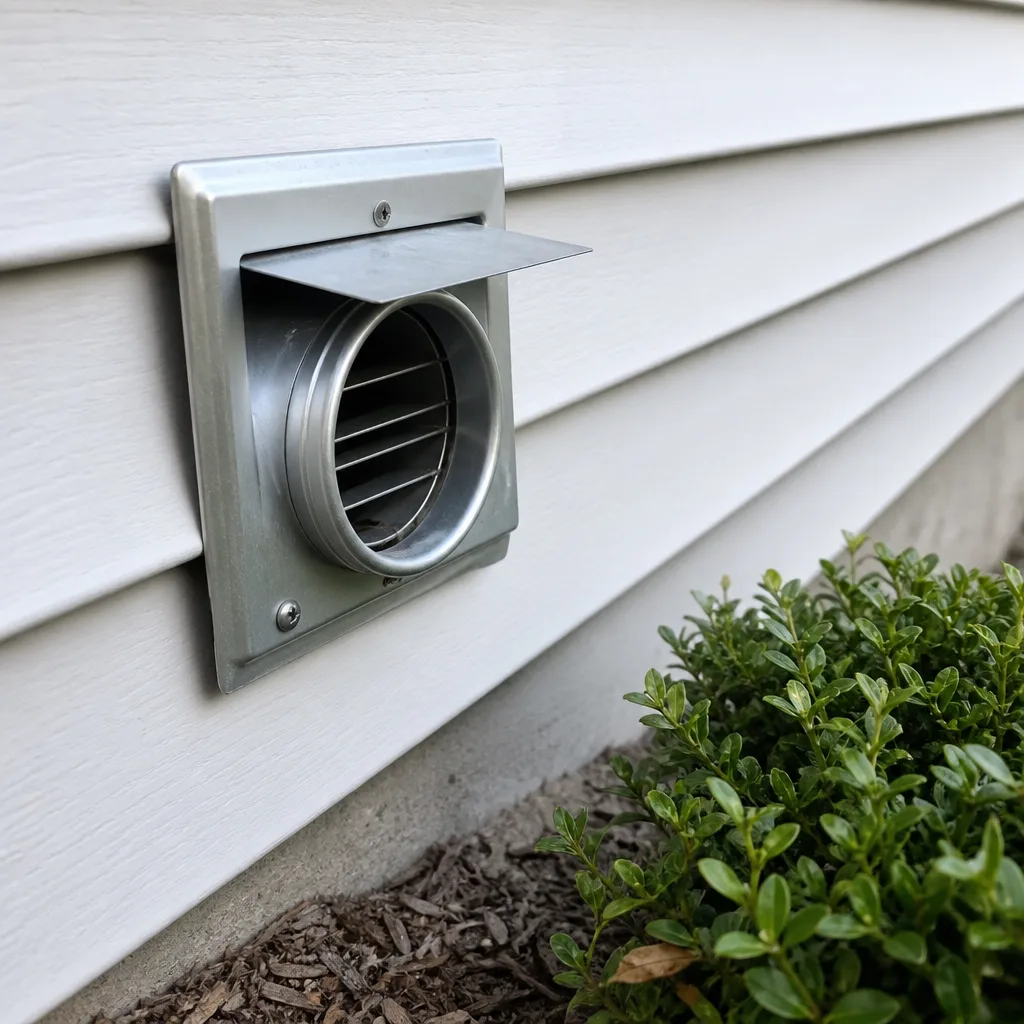
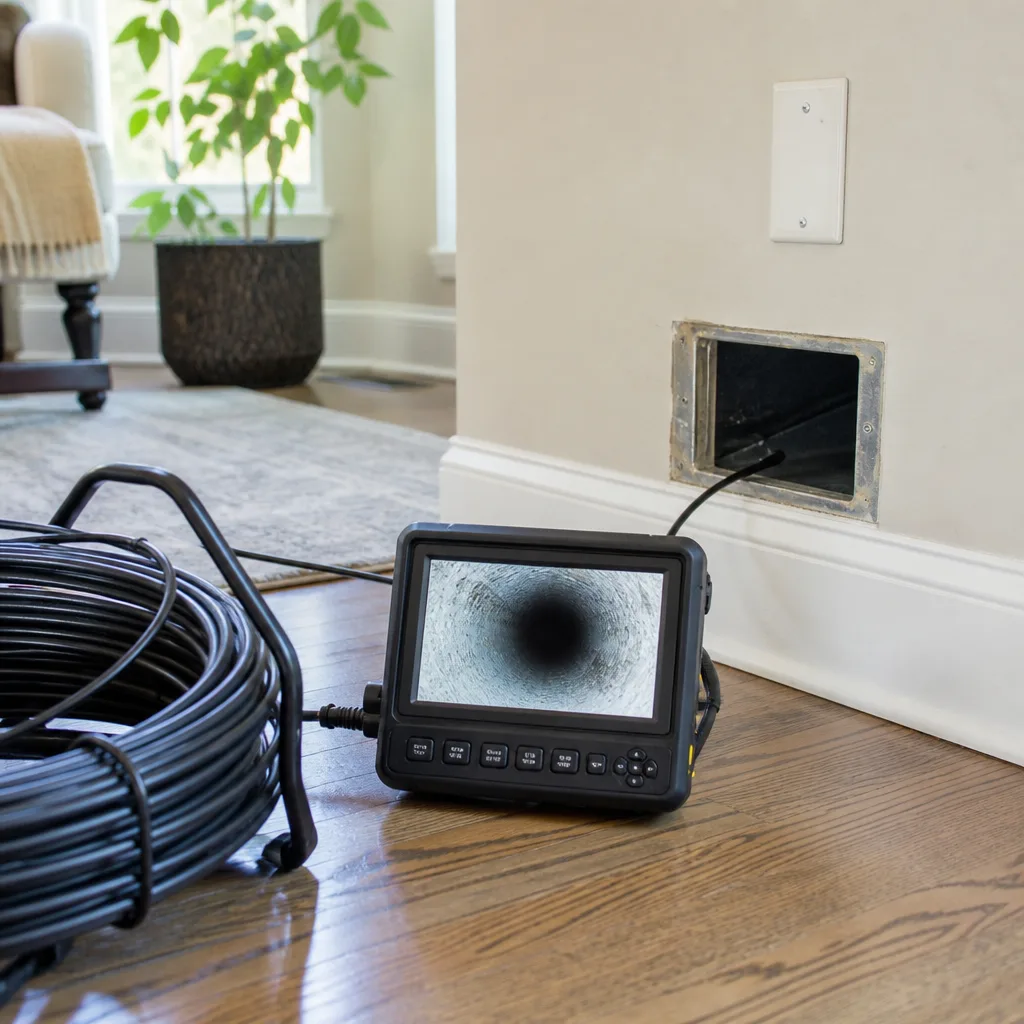
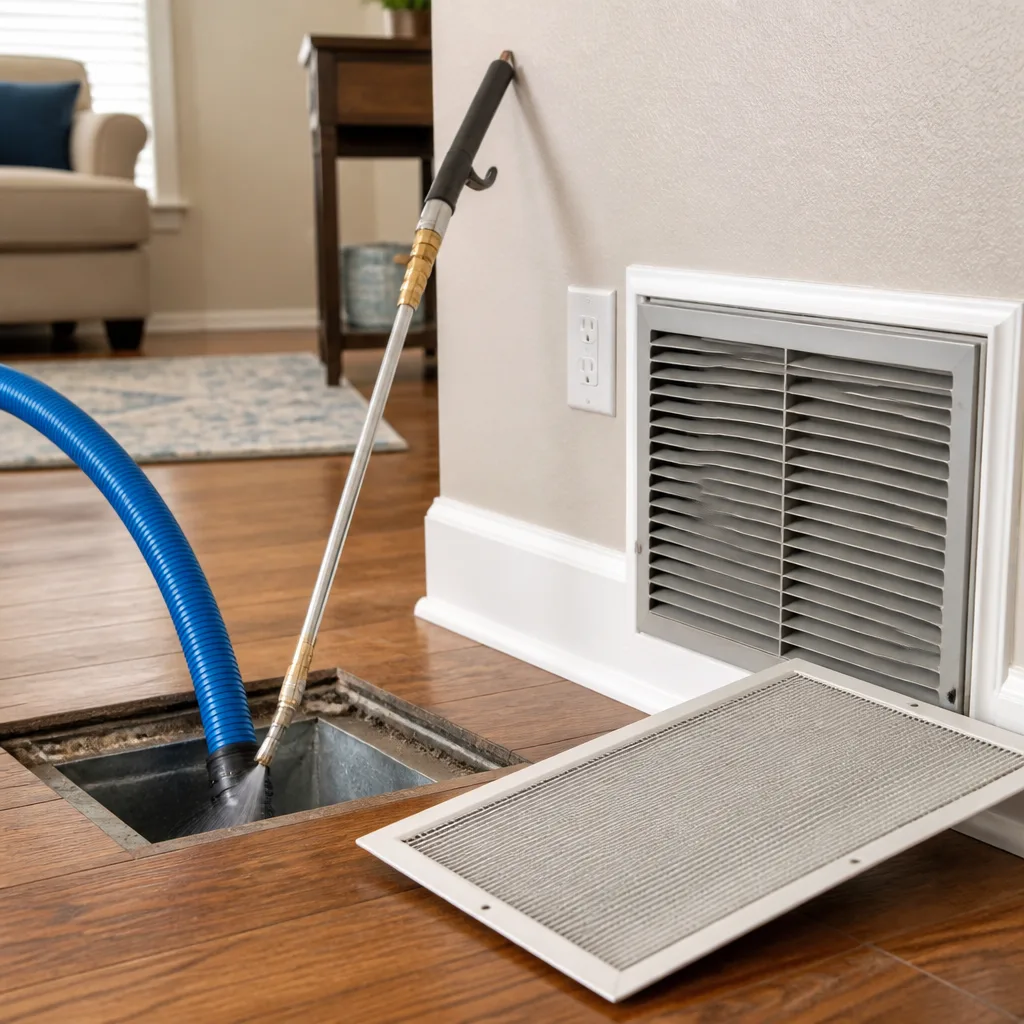
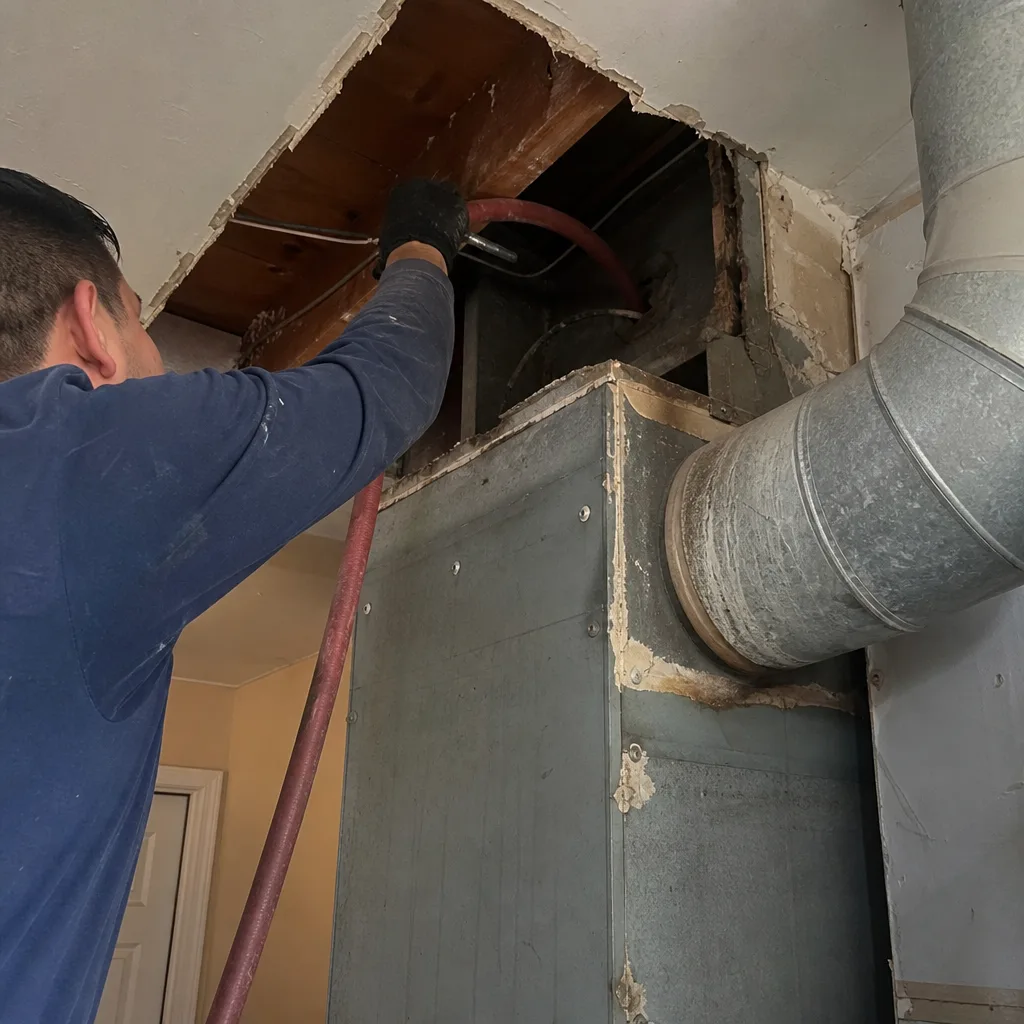 Before
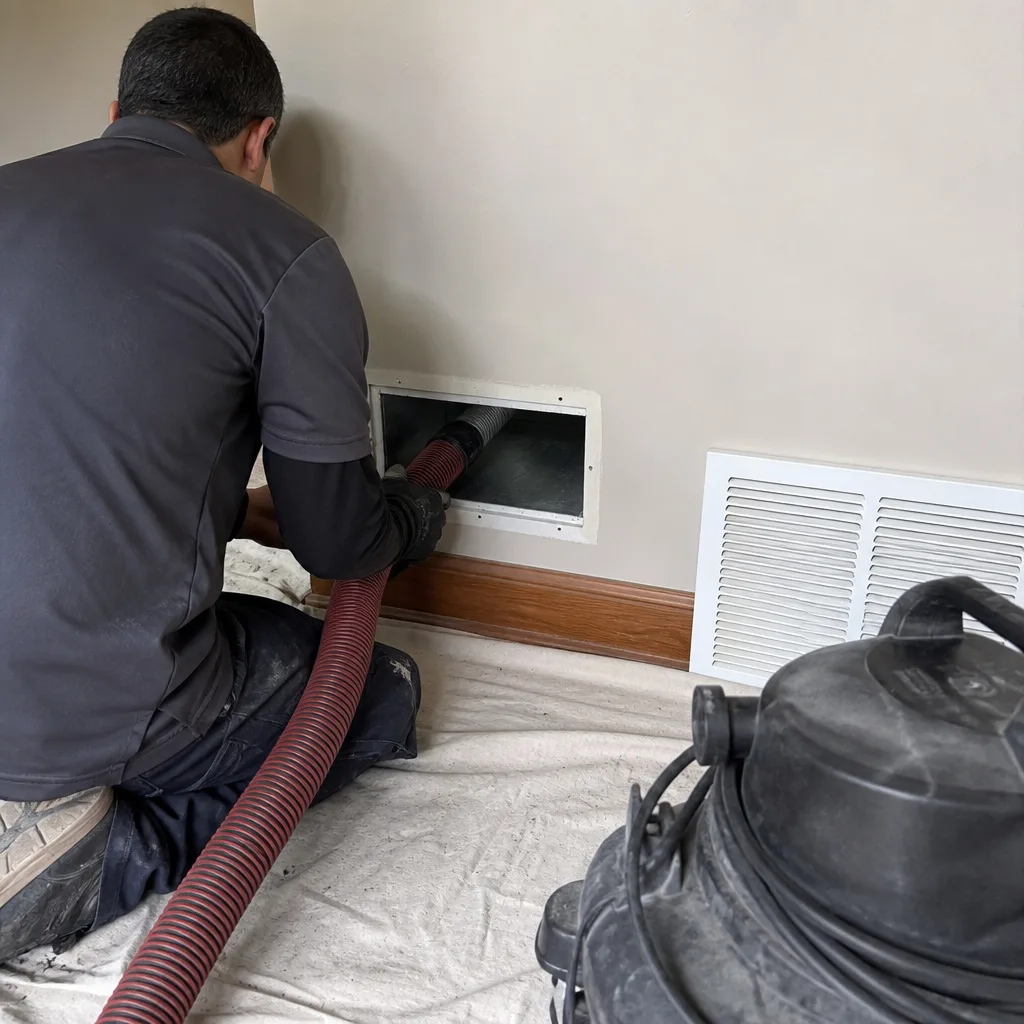 After
After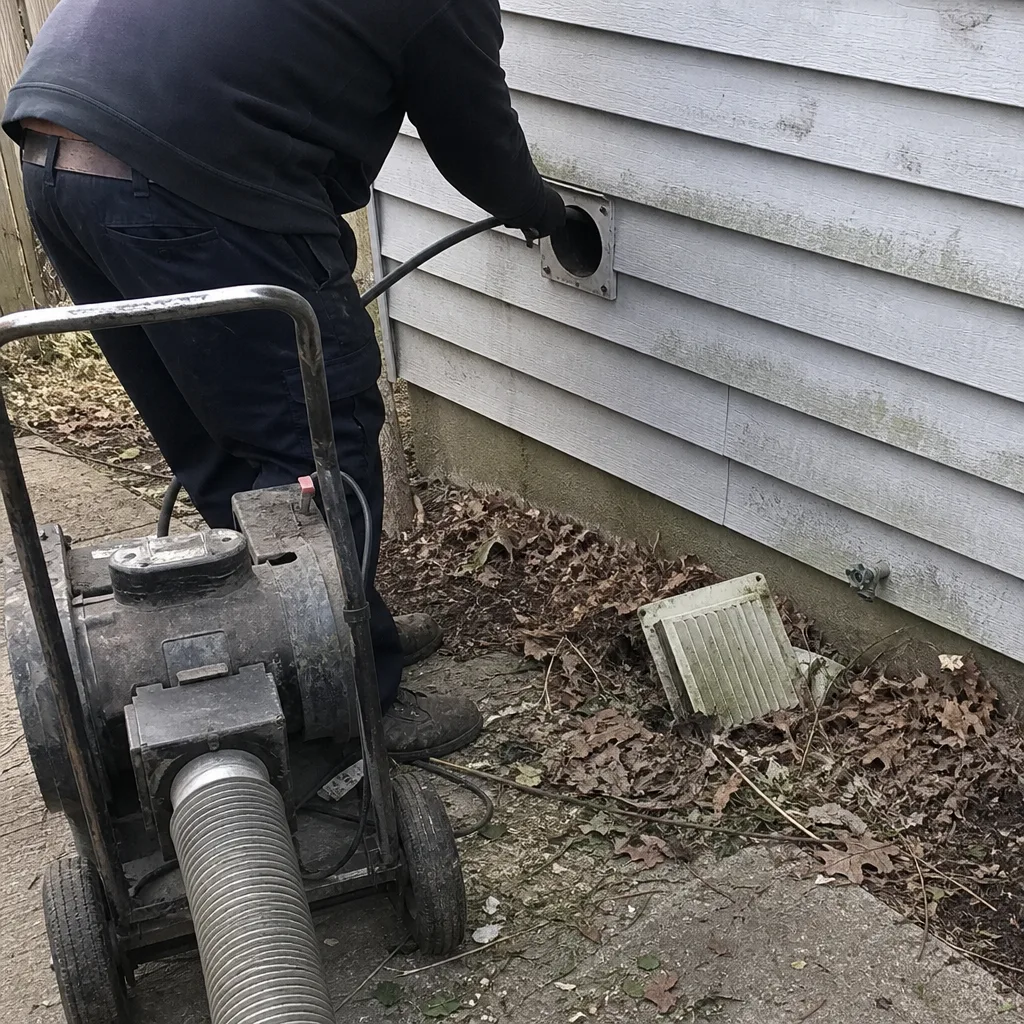 Before
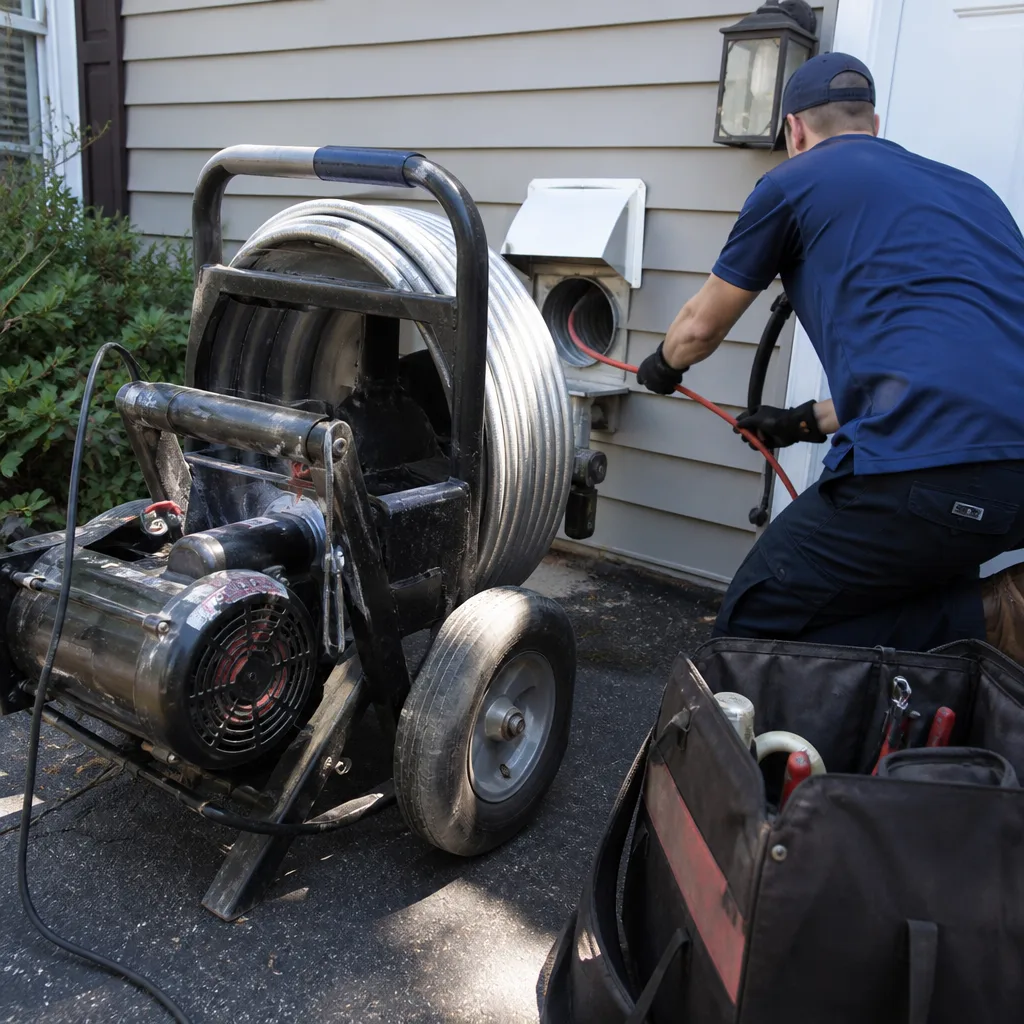 After
After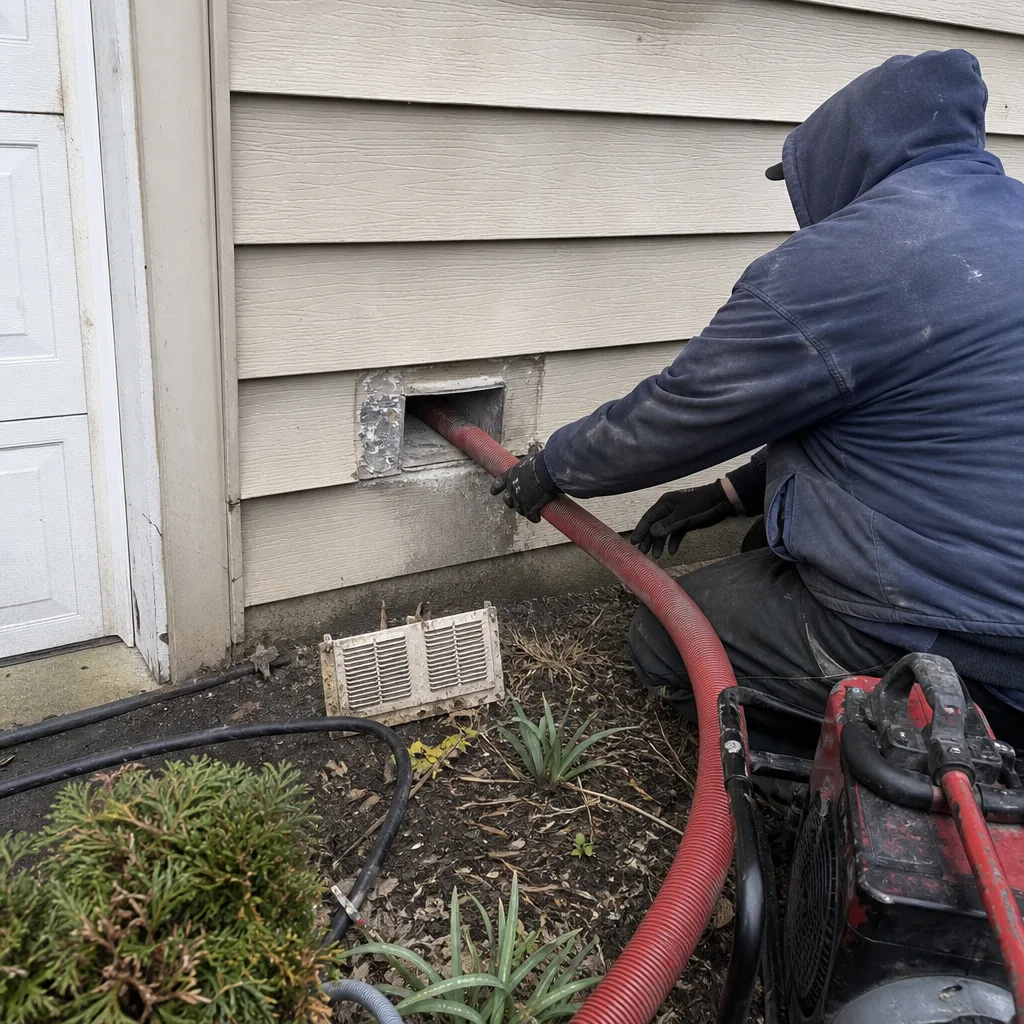 Before
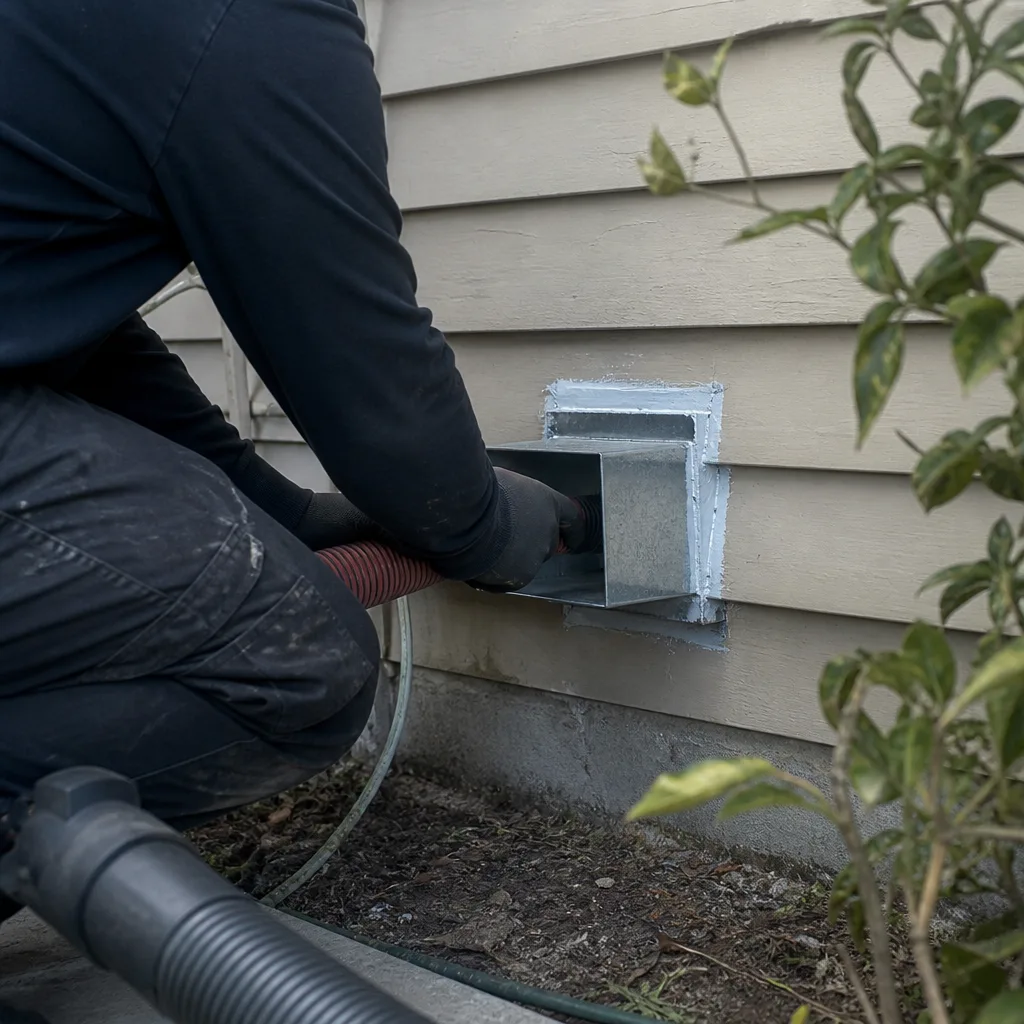 After
AfterDIY vs Professional Air Duct Cleaning: The Naperville Homeowner’s Decision Guide
Here’s the measurement most guides won’t give you: a homeowner with a vacuum, a brush, and a YouTube tutorial can clean exactly 18 inches of ductwork. That’s the straight-line distance from an open floor register to the first elbow or damper. Everything beyond that bend is factory-sealed from any tool you own. In Naperville, where the housing stock splits between 1980s-90s split-levels with flex-duct additions and new construction with hard-pipe mains, that 18-inch limit means something different in every neighborhood. This guide-along with our How to Hire a Air Duct Cleaning Contractor in Naperville: A Step-by-Step Guide-will show you exactly what DIY cleaning can reach, what it cannot, and how to decide which problem you actually have.
Quick Answer
DIY air duct cleaning handles surface debris at accessible registers only. Professional Air Duct Cleaning services reach contamination inside sealed duct runs using negative-pressure collection systems and rotary tools that have no consumer equivalent. For Naperville homeowners, the deciding factor is whether your issue is the first 18 inches past the register or the 30-plus feet of ductwork hidden behind walls and between floors.
Table of Contents
- What DIY Actually Reaches: The 18-Inch Limit
- Three Scenarios Where DIY Register Cleaning Is Genuinely Sufficient
- The Equipment Gap: What Professionals Bring That You Cannot Buy
- The Cost of a Failed DIY Attempt
- Naperville Housing Factors That Change the Calculation
- A Three-Question Decision Framework
- Common Mistakes to Avoid
- When to Call a Professional
- Frequently Asked Questions
- The Bottom Line
BeforeAfterWhat DIY Actually Reaches: The 18-Inch Limit
Most residential ductwork in Naperville follows a simple geometry. Air leaves the furnace or air handler through a plenum (a large distribution box), travels through trunk lines (the main highways, usually 8-12 inches round or rectangular), then branches into duct runs (the smaller lines, typically 6 inches) that terminate at registers in your rooms. Each register has a boot (the sheet-metal transition from floor or wall to duct) and often a damper (a movable plate that balances airflow).
A standard shop vacuum with a hose extension can reach through the register, past the boot, and into the first straight section of duct run. In our work across Naperville, from the ranch homes near Naper Boulevard to the two-stories in Ashbury, that straight section averages 12-18 inches before hitting the first elbow, T-junction, or flex-duct connection. Past that point, three barriers stop every DIY method:
- Physical geometry: Elbows in residential ductwork are typically 90-degree bends with a 6-inch radius. A vacuum hose loses suction when bent sharply, and a brush on an extension rod binds at the corner.
- Sealed construction: Duct runs are joined with screws, foil tape, and mastic sealant at the factory or during installation. There are no access panels for cleaning between joints unless a professional has cut them in.
- Negative pressure requirement: Agitating debris without capturing it at the source releases particles into the living space. Professional systems use negative-pressure collection (a large vacuum mounted to the ductwork that pulls 2,000-4,000 CFM) to contain what is dislodged.
We’ve photographed the junction between DIY-reachable and sealed ductwork on hundreds of jobs. The pattern is consistent: the first 18 inches show disturbed dust where the homeowner tried; the next section shows undisturbed accumulation, often years deep, with the same debris profile as the sections 30 feet away. The boundary is visible to the camera because the DIY attempt compressed surface debris without removing it, creating a distinct line.
This is not a failure of effort or intelligence. It is a limit of equipment access. The ductwork was designed to move air, not to be cleaned by hand.
Three Scenarios Where DIY Register Cleaning Is Genuinely Sufficient
There are specific conditions where the 18-inch limit is not a problem because the contamination is itself limited to that zone. We have documented these three scenarios repeatedly in Naperville homes:
Scenario 1: New Construction Dust-Out
Homes built or renovated in the last 12-24 months often have construction debris concentrated at the registers. Drywall dust, sawdust, and insulation fragments settle in the boots and first straight sections because they are too heavy to travel far through the system. In new construction areas of Naperville, particularly south of 95th Street where building has been active since 2018, we find that 60-70% of visible debris sits within that first 18 inches. A thorough register cleaning with a vacuum and brush, plus wiping the boot with a damp cloth, genuinely solves the problem.
The key indicator: debris is granular and recent, not the layered, felted accumulation of years. If you can see individual particles rather than a uniform coating, DIY is appropriate.
Scenario 2: Single-Room Renovation Debris
A kitchen remodel, bathroom update, or flooring replacement in one zone of the house often introduces dust through the register in that room only. The rest of the system remains clean. In this case, removing and cleaning the affected register, boot, and accessible duct section, plus changing the HVAC filter immediately after, addresses the isolated contamination.
The key indicator: only one or two registers show debris; others are clean when you shine a flashlight into them. Also, the debris matches the renovation material (tile dust, wood particles) rather than the gray, fibrous accumulation of general household dust.
Scenario 3: Post-Filter-Failure Surface Coating
When a furnace filter fails or is omitted for a period, the first sections of ductwork downstream receive a surface coating of fine particles. This coating has not yet built into thick accumulation because it has not had years to compress and adhere. A brush and vacuum can remove this loose material effectively.
The key indicator: the debris wipes away with light pressure rather than requiring scraping. The underlying metal is visible and clean after brushing. If you need force, you are past the DIY threshold.
In all three scenarios, the correct DIY method matters: remove the register carefully (many modern registers have fragile damper linkages), vacuum the boot and visible duct section with a brush attachment, wipe surfaces with a damp microfiber cloth, and install a fresh MERV 8-11 filter before restarting the system. Never use compressed air, which forces debris deeper into sealed sections.
The Equipment Gap: What Professionals Bring That You Cannot Buy
The residential duct cleaning industry uses equipment that exists in a different category from consumer tools. This is not a matter of scale or convenience. These are functionally different machines that perform operations impossible with household equipment.
Negative-Pressure Collection Systems
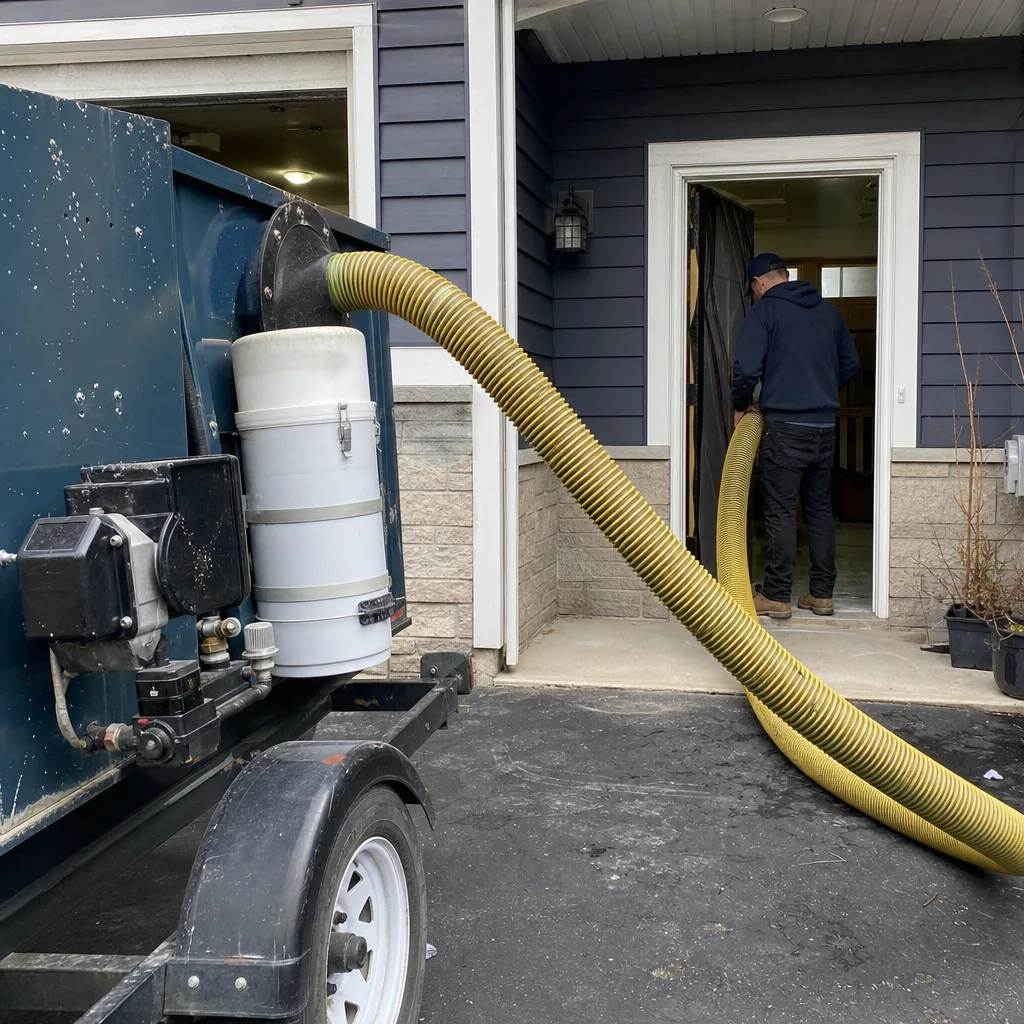
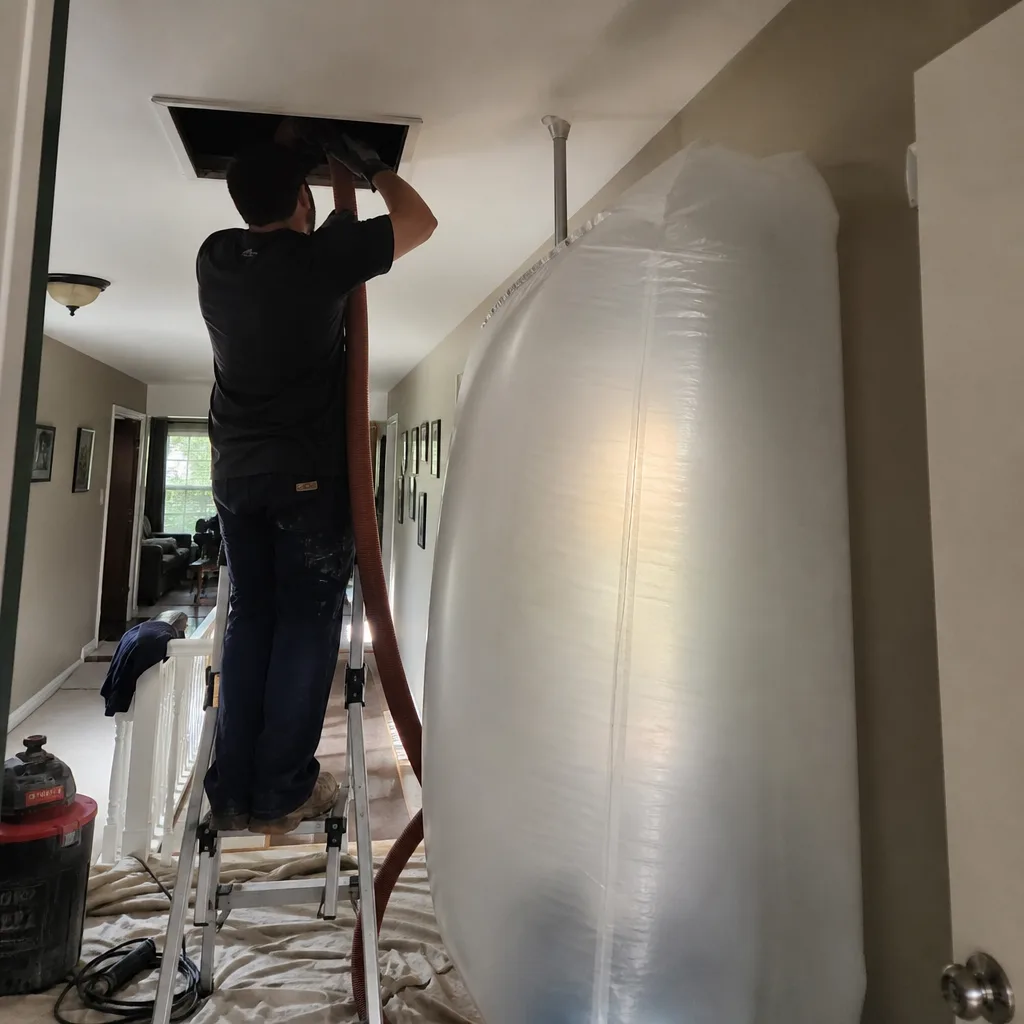
A professional negative-pressure system, such as the Nikro LP2000 or comparable units, mounts directly to the ductwork and pulls 2,000-4,000 cubic feet per minute through the entire system. This creates suction at every register simultaneously, so that when a rotary brush dislodges debris in a sealed run, the airflow carries it to the collection unit rather than releasing it into the home. Consumer shop vacuums pull 100-200 CFM and cannot be sealed to ductwork. The difference is not tenfold; it is the difference between containment and redistribution.
Rotary Brush Systems for Sealed Runs
Tools like the Rotobrush BrushBeast or Abatement Technologies PREDATOR series use flexible cables that navigate 90-degree elbows and travel 30-plus feet through duct runs. The brush head spins at controlled speed to dislodge adhered debris without damaging duct liners. These cables are 1/4-inch diameter and motor-driven; no hand tool can replicate their reach or agitation. In Naperville’s older homes with original galvanized steel ductwork, we have navigated runs with three elbows and two transitions that would be physically impossible to reach with any rigid extension.
Inspection Cameras with Recorded Output
Professional inspection systems, including those from Rotobrush and Abatement Technologies, use borescope cameras on flexible cables with LED lighting and recording capability. This is not a smartphone on a stick. The camera documents the interior condition before and after cleaning, with footage saved to a job record. At CleanRun Air Duct Cleaning Naperville home, this documented photo record is included on every visit as a standard deliverable, not an upgrade. Customers receive dated, labeled images of every duct run.
Compressed Air Whips and Skipper Balls
For hard-pipe ductwork with stubborn accumulation, professionals use compressed air tools that pulse and whip inside the duct, breaking debris free for negative-pressure capture. These tools operate at 150-200 PSI through controlled nozzles. Consumer compressed air tanks cannot deliver the volume or control, and unregulated pressure can damage duct seams or dislodge connections.
Sanitizing and Sealing Equipment
Where microbiological growth or duct leakage is present, professionals apply EPA-registered sanitizers or aerosol sealants through dedicated application systems. Products from Honeywell and Aprilaire are designed for HVAC application with specific dwell times and coverage rates. Consumer alternatives are not formulated for interior duct surfaces and can leave residues that affect air quality or equipment warranty.
The equipment gap is not about working harder. It is about accessing spaces that are sealed by design and capturing debris rather than redistributing it.
The Cost of a Failed DIY Attempt
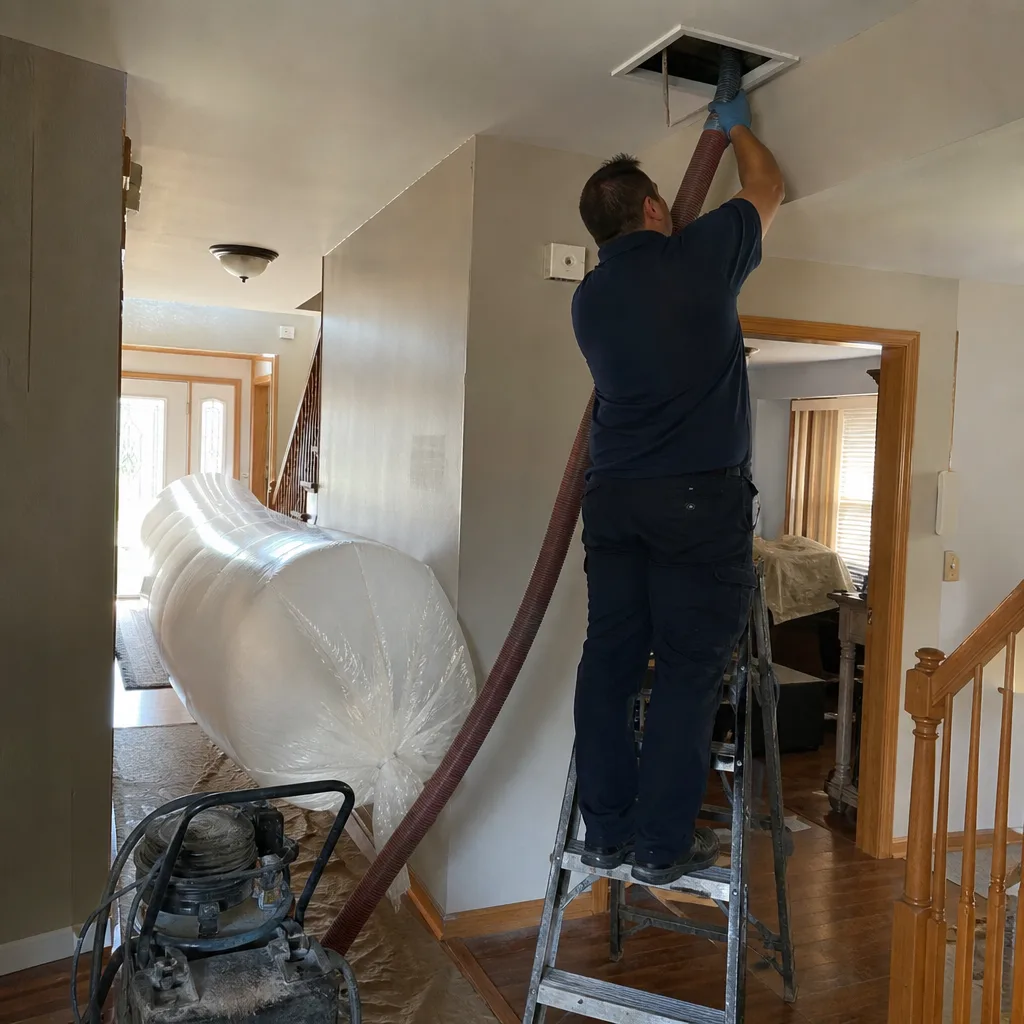
We have been called to Naperville homes where DIY attempts created problems that did not exist before. These are not hypothetical warnings. They are documented conditions we have photographed and repaired.
Disturbed Debris Resettling on the Evaporator Coil
When a homeowner agitates debris in the first section of ductwork without capturing it, the HVAC system’s normal airflow carries particles through the system. The evaporator coil (the A-shaped heat exchanger above the furnace) has fins spaced 1/8 to 1/4 inch apart. Debris that was previously adhered to duct walls now impacts these fins, reducing airflow and heat transfer. In Naperville’s climate, where air conditioners run heavily from June through September, a partially blocked coil can reduce cooling capacity by 15-25% and cause the compressor to work harder. Coil cleaning is a separate service, typically $350-$550, that would not have been needed.
Dislodged Flex Duct Liner
Many Naperville homes, particularly 1990s-era construction in areas like Farmstead and Tall Grass, have flex duct (insulated flexible ductwork with a plastic inner liner) in attic or basement runs. Aggressive brushing with consumer tools can tear this liner or detach it from the collar connection. Once detached, the liner collapses into the airstream, blocking airflow to entire zones. Repair requires cutting access, replacing the damaged section, and resealing. This is duct repair, not cleaning, with costs starting at $400 per run.
Voided HVAC Equipment Warranties
Major manufacturers including Carrier, Trane, and Lennox specify that warranty coverage requires maintenance by qualified technicians using appropriate methods. While warranty language varies, we have encountered cases where DIY duct cleaning with compressed air or unapproved chemicals was cited in warranty disputes. The specific risk is introducing moisture or foreign substances that corrode heat exchangers or damage electronic components.
Released Contaminants in Living Spaces
Without negative-pressure containment, agitating mold, rodent droppings, or lead-paint dust in older ductwork releases these materials into the home. In pre-1978 homes in established Naperville neighborhoods east of Washington Street, this is a genuine hazard. Professional protocols include containment, HEPA filtration, and post-cleaning verification for these exact conditions.
The financial cost of correcting a failed DIY attempt typically exceeds the cost of professional cleaning from the start. The documented photo record that accompanies professional work provides verification that the problem was solved, not relocated.
Naperville Housing Factors That Change the Calculation
Naperville’s housing market and climate create specific conditions that affect whether DIY or professional cleaning is appropriate, as explored in our Seasonal Air Duct Cleaning Care for Naperville: Year-Round Homeowner’s Guide.
Age and Duct Material Distribution
The city spans construction from the 1950s to present. East of Route 59, homes built 1960-1985 typically have galvanized steel trunk lines with cast-iron register boots. These systems accumulate debris slowly but develop rust scale that requires rotary agitation. West of Route 59, 1990s-2000s construction often uses flex duct for second-floor runs, which is more easily damaged by DIY tools. New construction since 2015 generally has hard-pipe ductwork with sealed joints, designed for professional cleaning access.
Climate and Seasonal Loading
Naperville’s climate produces distinct contamination patterns. Winter heating season (November-March) creates dry, electrostatic dust that adheres to duct walls. Summer humidity (June-August) can promote microbial growth in ductwork with condensation issues, particularly in homes with oversized air conditioners that short-cycle. Spring pollen loads (April-May) introduce allergenic material that accumulates at registers. Each pattern responds differently to cleaning methods.
Local Code and Permit Context
While duct cleaning itself does not require permits in Naperville, duct modification or repair falls under the city’s mechanical code. Homeowners who damage ductwork during DIY attempts and then seek professional repair may find that the repair requires inspection if it involves altering the original system design. This is not a barrier to professional work, but it can complicate corrections of DIY damage.
Neighborhood-Specific Observations
In our work across Naperville, we have documented consistent patterns: homes near the DuPage River floodplain (areas south of 75th Street, east of Route 59) show higher humidity-related duct contamination; homes in the original downtown grid have older, narrower ductwork with more elbows per run; homes in the Aero Estates and Cress Creek areas often have extensive flex-duct additions from finished basements that are particularly vulnerable to damage.
These factors do not make DIY impossible. They make the risk assessment specific to your home’s location and construction era.
A Three-Question Decision Framework
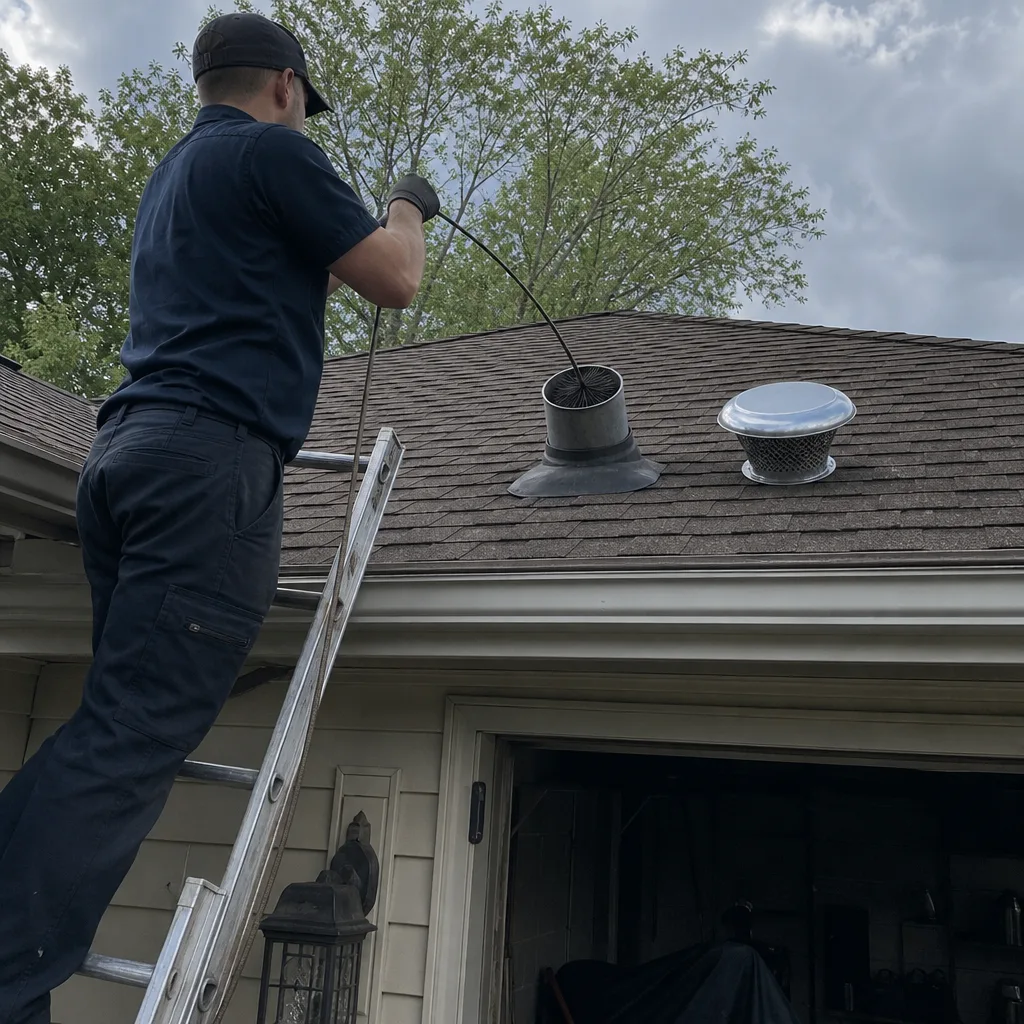
We use these three questions on every initial consultation. They produce a clear yes/no answer on whether professional service is warranted.
Question 1: How many registers show visible debris?
Shine a flashlight into each register. Count the number with visible accumulation beyond the boot. If the answer is one or two, and the debris matches a recent, isolated cause (renovation, filter failure), DIY register cleaning is appropriate. If three or more registers show accumulation, or the debris is uniform across the house, the contamination is systemic and requires professional equipment.
Question 2: When you wipe the visible debris, does the underlying surface come clean with light pressure?
Use a damp microfiber cloth on the accessible duct section. If debris transfers to the cloth easily and the metal underneath is clean, you are dealing with surface loading. If the debris smears, requires scraping, or reveals a stained or corroded surface beneath, the accumulation is adhered and compressed. Adhered debris requires rotary agitation that only professional equipment provides.
Question 3: Has any occupant experienced respiratory symptoms, or has there been water intrusion, rodent activity, or visible mold anywhere in the home?
If yes to any of these, professional inspection is warranted regardless of visible debris levels. These conditions indicate contamination that may not be visible from the register but poses health risks if disturbed without containment. In Naperville, we have found rodent activity in ductwork of homes with no interior signs, and mold in systems with no visible growth at registers. The inspection camera reveals what cannot be seen from the opening.
Scoring: Yes to Question 1 (limited, isolated) plus Yes to Question 2 (surface loading) plus No to Question 3 (no health or environmental concerns) equals DIY appropriate. Any other combination equals professional service recommended.
Common Mistakes to Avoid
- Using compressed air without containment. Blowing debris deeper into the system with a compressor or canned air forces contamination past the 18-inch limit into sealed runs, where it cannot be retrieved without professional equipment. We have photographed this pattern repeatedly in Naperville homes.
- Removing registers without checking for damper linkages. Modern registers often have adjustable dampers connected by thin metal rods. Forcing the register breaks these linkages, creating airflow imbalance that requires professional correction.
- Cleaning during heating or cooling operation. Running the fan while cleaning draws debris past the filter and into the equipment. Always shut off the system at the thermostat and the breaker before any register work.
- Using unapproved chemicals or sanitizers. Bleach, household cleaners, and essential oil solutions leave residues that corrode metal ductwork and can be distributed through the living space. EPA-registered HVAC sanitizers are formulated for this specific application.
- Ignoring the return side. The return ductwork (which pulls air back to the furnace) is typically larger and more accessible than supply runs, but it connects directly to the filter and blower. DIY cleaning here risks introducing debris directly into the equipment. In Naperville’s split-level homes, return ducts often run through finished walls with no access points.
- Assuming visible cleanliness equals system cleanliness. A clean register and boot do not indicate clean trunk lines or plenum. We have photographed heavy accumulation 20 feet from pristine registers.
- Delaying professional service after a failed DIY attempt. Disturbed but unremoved debris continues to circulate and compress. The longer it sits, the more adhered it becomes, increasing the difficulty and cost of eventual professional cleaning.
When to Call a Professional
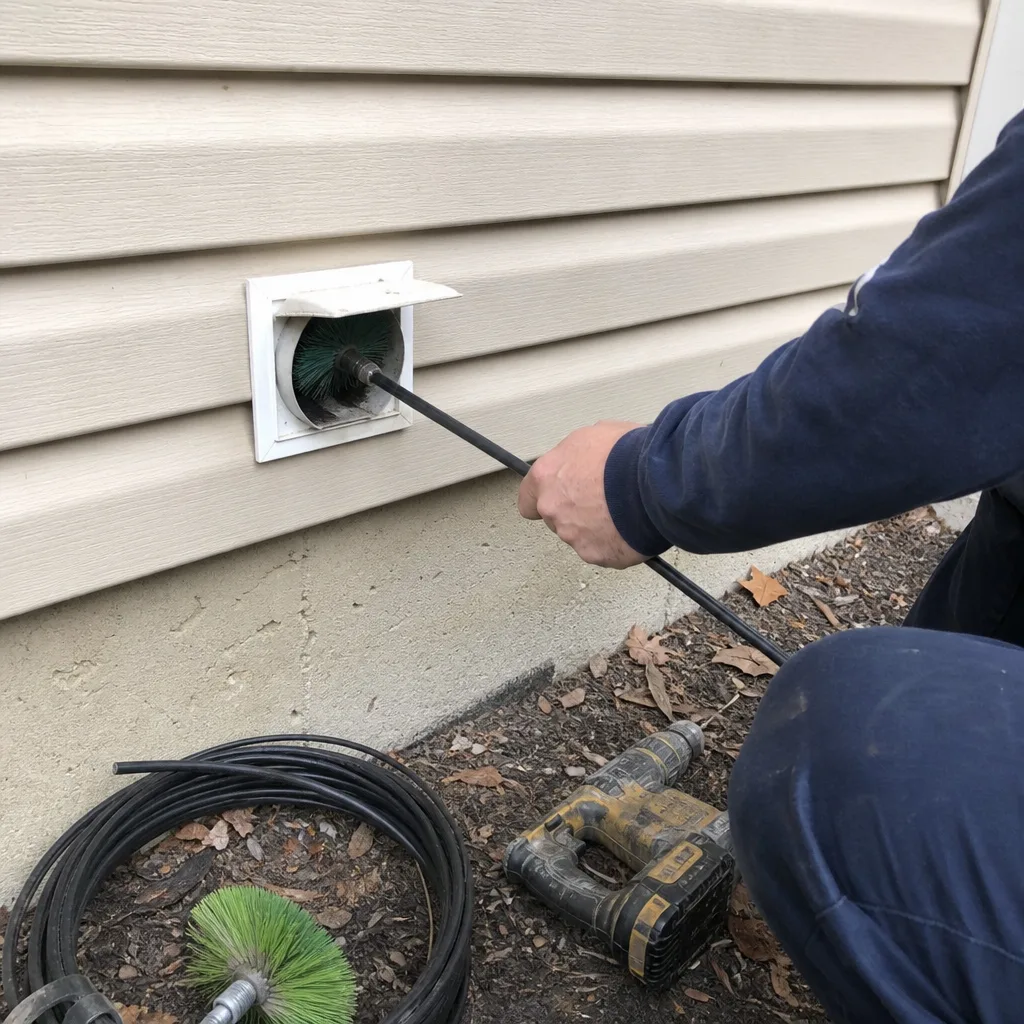
Professional air duct cleaning is warranted when contamination extends beyond accessible registers, when debris is adhered and compressed, when health or environmental concerns exist, or when the home’s ductwork configuration includes sealed runs that cannot be reached with consumer tools; see more guides & resources for related topics. In Naperville, this describes the majority of homes more than five years old.
Air Duct Cleaning in Naperville from CleanRun includes a written price before any work starts, documented photo records of every duct run, and the 365-Day Done Right Promise backed in writing. Our technicians operate under the H.A.V.E.N. Standard with background-checked, uniformed crews identified by name before arrival. Equipment includes Rotobrush, Nikro, and Abatement Technologies systems that have no consumer equivalent.
CleanRun Air Duct Cleaning Naperville offers free estimates in Naperville. Call (331) 236-5490 to schedule. Estimates include inspection camera footage of accessible sections so you can see the condition before deciding.
Frequently Asked Questions
Whole-system air duct cleaning for a typical Naperville home ranges from $450 to $850 depending on system size, duct material, and contamination level. CleanRun provides a written price before any work starts under Haven Standard Clause 1, with no per-vent add-ons or post-arrival upsells. Call (331) 236-5490 for an exact quote on your system - estimates are free.
Low quotes typically reflect register-only cleaning with a vacuum, not whole-system work with negative-pressure collection and rotary agitation. The $79-$149 coupon offers we see advertised in Naperville often involve a brief vacuum at each register and a sales pitch for additional services once the technician is in the home. A genuine whole-system cleaning requires 3-5 hours, professional equipment, and documented verification. The written price before work starts protects against this bait-and-switch pattern.
Request before-and-after documentation of the interior ductwork. At CleanRun, the documented photo record is included on every visit as a standard deliverable, not an upgrade. You receive dated, labeled images from inside every duct run. If a company cannot or will not provide this, you have no verification that sealed sections were accessed or cleaned.
For most Naperville homes with standard fiberglass filters changed every 60-90 days, professional cleaning every 5-7 years is sufficient. Homes with pets, recent renovations, or occupants with respiratory conditions may benefit from 3-5 year intervals. New construction should be cleaned after the first 12-18 months to remove construction debris. The inspection camera reveals when accumulation warrants service rather than following an arbitrary schedule.
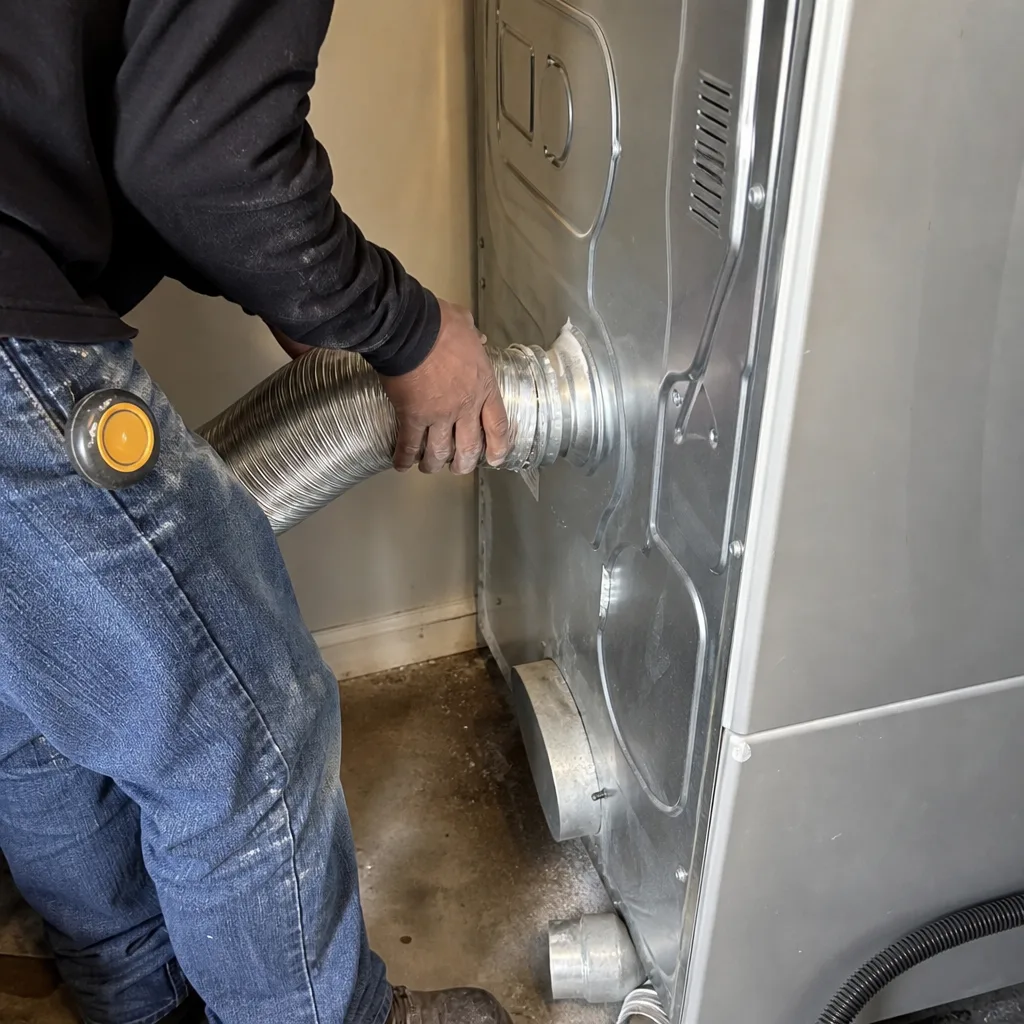
Dryer vent cleaning is often more accessible than ductwork because the vent run is a single, continuous path from the dryer to the exterior termination. Short, straight vents (under 10 feet with minimal elbows) can be cleaned with a rotary brush kit from a hardware store. Longer runs, roof terminations, or vents with multiple elbows require professional equipment. In Naperville, many two-story homes have 20-plus foot vent runs to roof jacks that cannot be cleaned effectively from either end with consumer tools. Dryer Vent Cleaning in Naperville addresses these configurations.
Cleaning heavily contaminated ductwork can restore airflow and reduce blower motor workload, but the efficiency gains are modest compared to sealing duct leaks or upgrading insulation. The primary benefit of cleaning is indoor air quality and system longevity, not energy savings. We do not promise efficiency improvements we cannot document. The photo record shows what was removed; it does not invent performance claims.
The Bottom Line
The DIY vs. professional duct cleaning question resolves to a measurement, not an opinion. Eighteen inches of accessible ductwork versus 30-plus feet of sealed runs. Surface debris versus adhered accumulation. Containment versus redistribution. For isolated, recent, surface-level contamination at one or two registers, DIY cleaning with proper technique is genuinely sufficient. For systemic accumulation, adhered debris, or any health or environmental concern, professional equipment and documentation are required. In Naperville’s varied housing stock, the three-question framework above gives a clear answer for your specific home. The cost of guessing wrong is disturbed debris in your equipment, damaged ductwork, or voided warranties. The cost of certainty is a written price, a documented photo record, and accountability backed by the 365-Day Done Right Promise.
Written by Tomas Reyes, Owner at CleanRun Air Duct Cleaning Naperville, serving Naperville since 2013.