
Last updated September 23, 2026
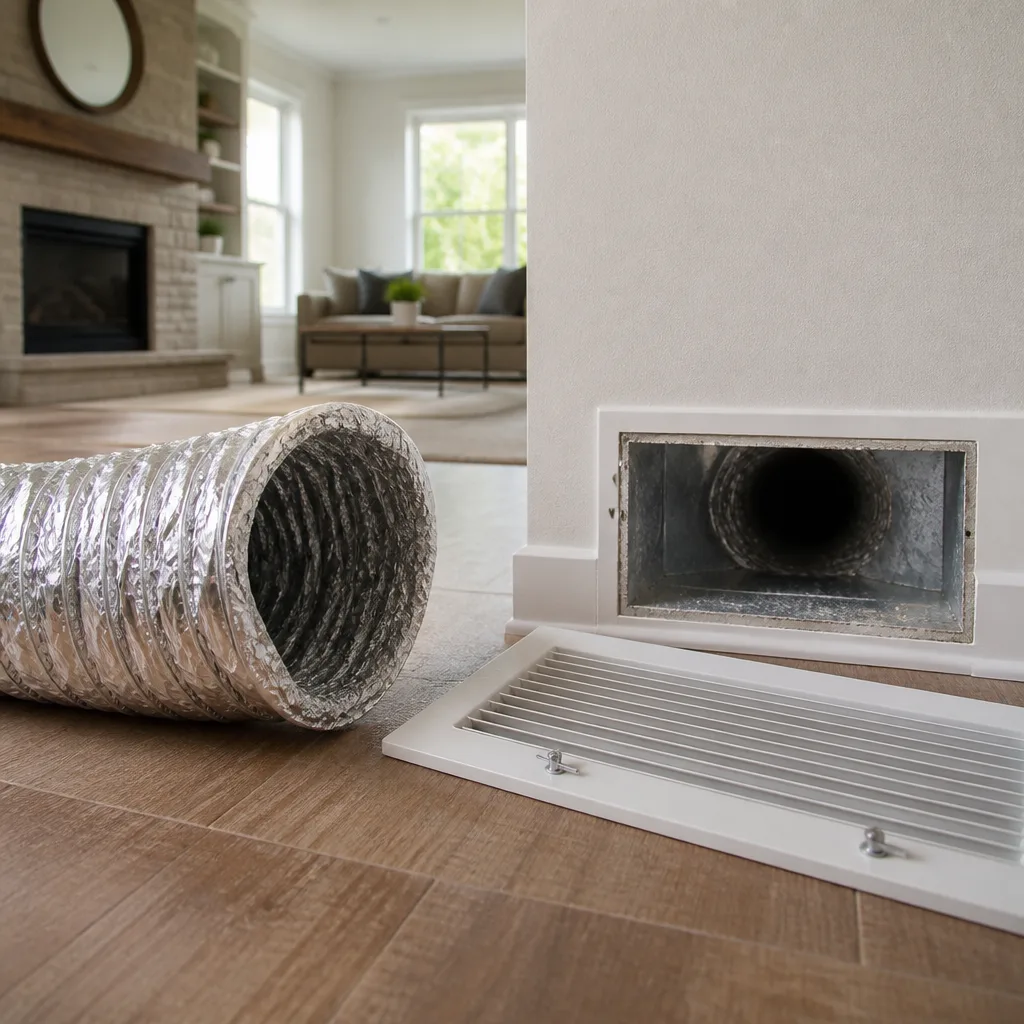
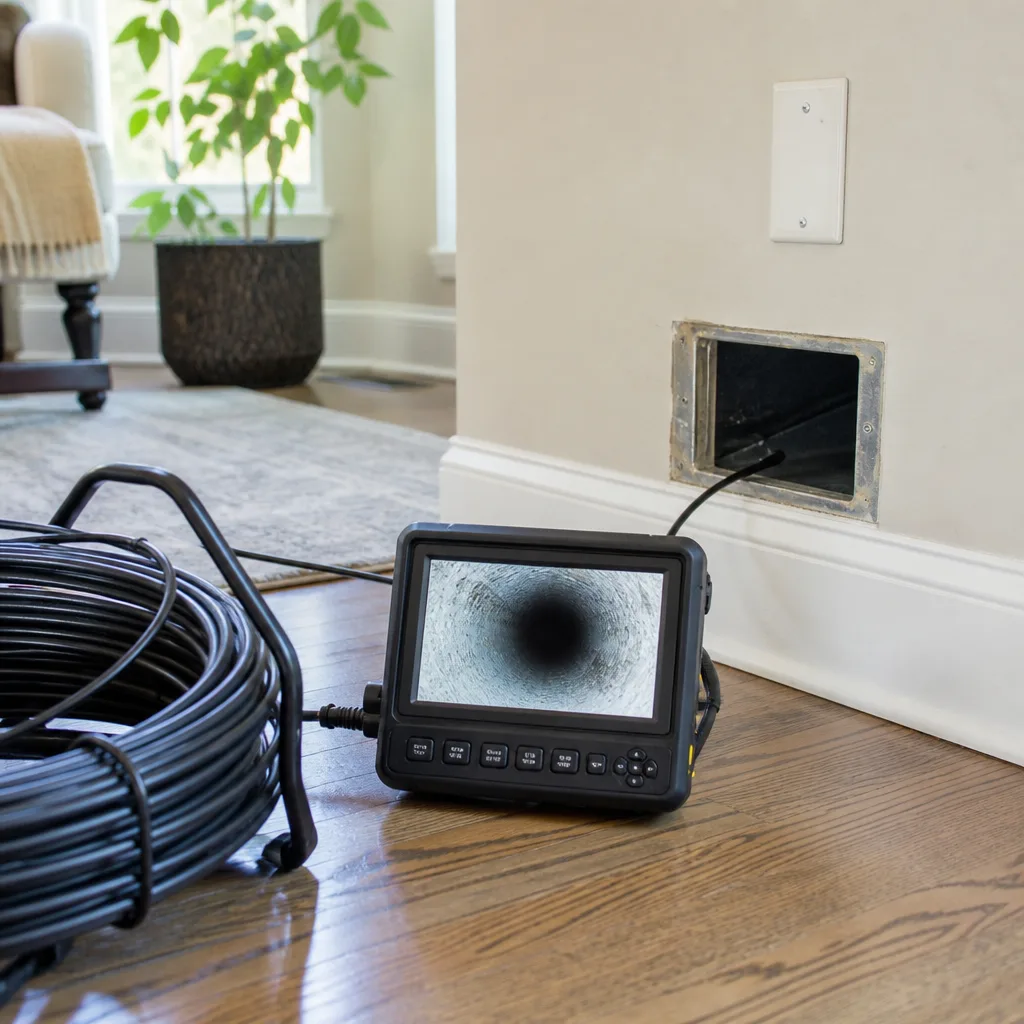
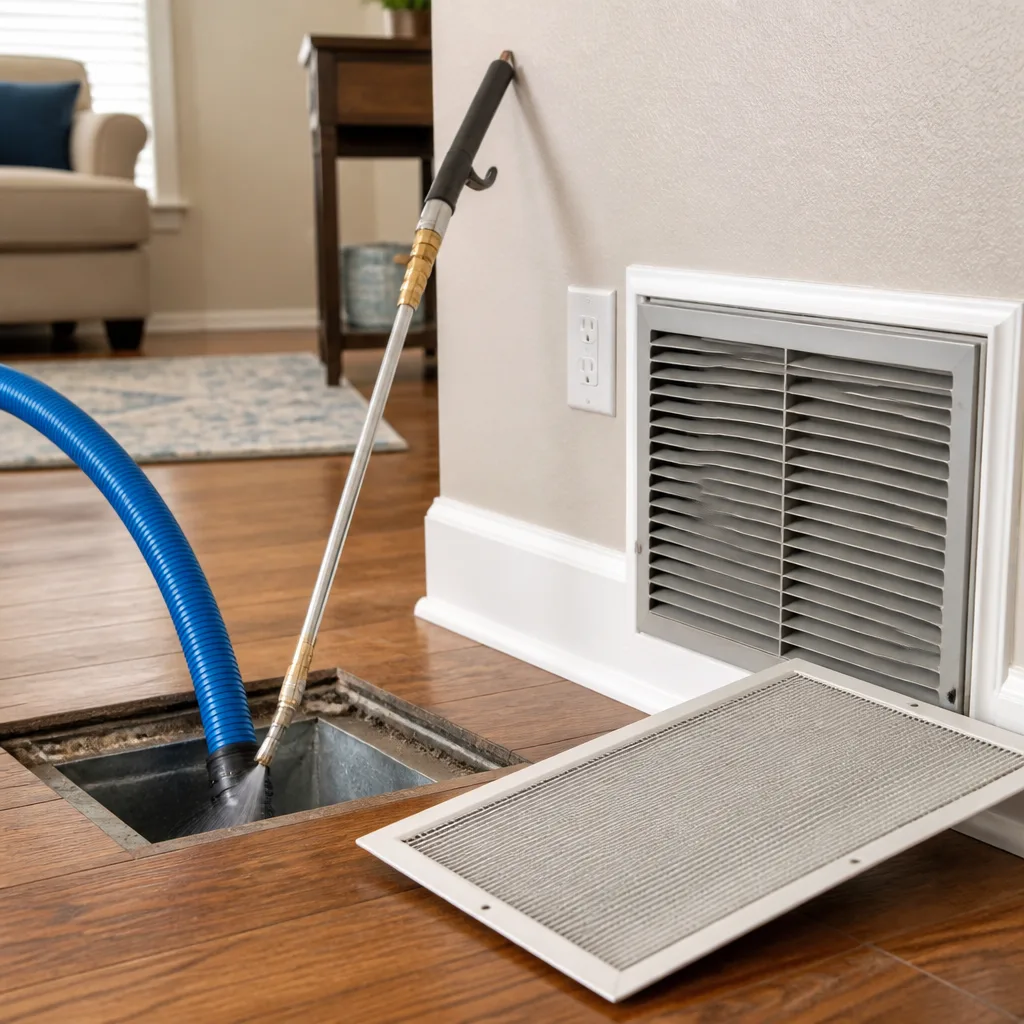
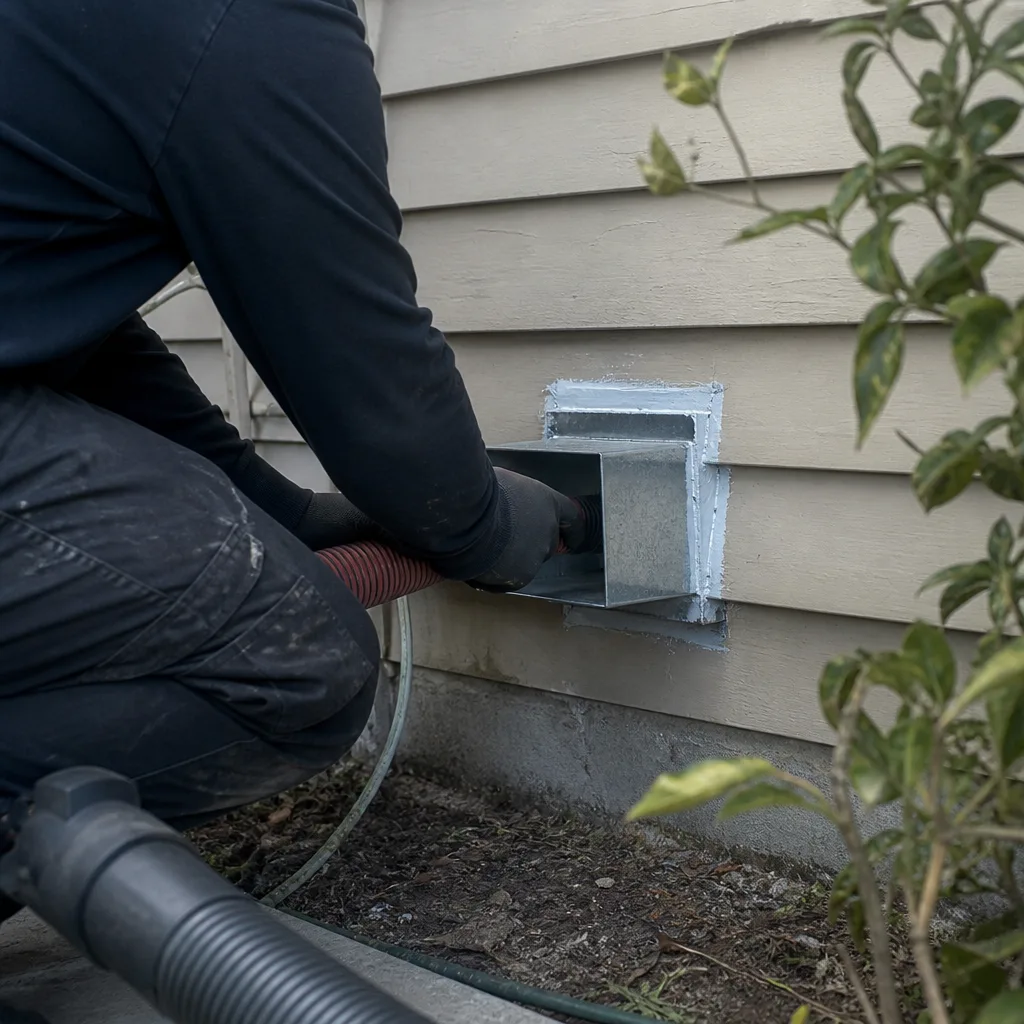
Whole-system duct and dryer vent check with before-and-after photos - you see exactly what came out of your vents
That "$99 whole-house special" is a bait ad - the real number appears once they are in your hallway, or the "clean" is a shop-vac at the register. We photograph the inside of your ducts before and after instead.
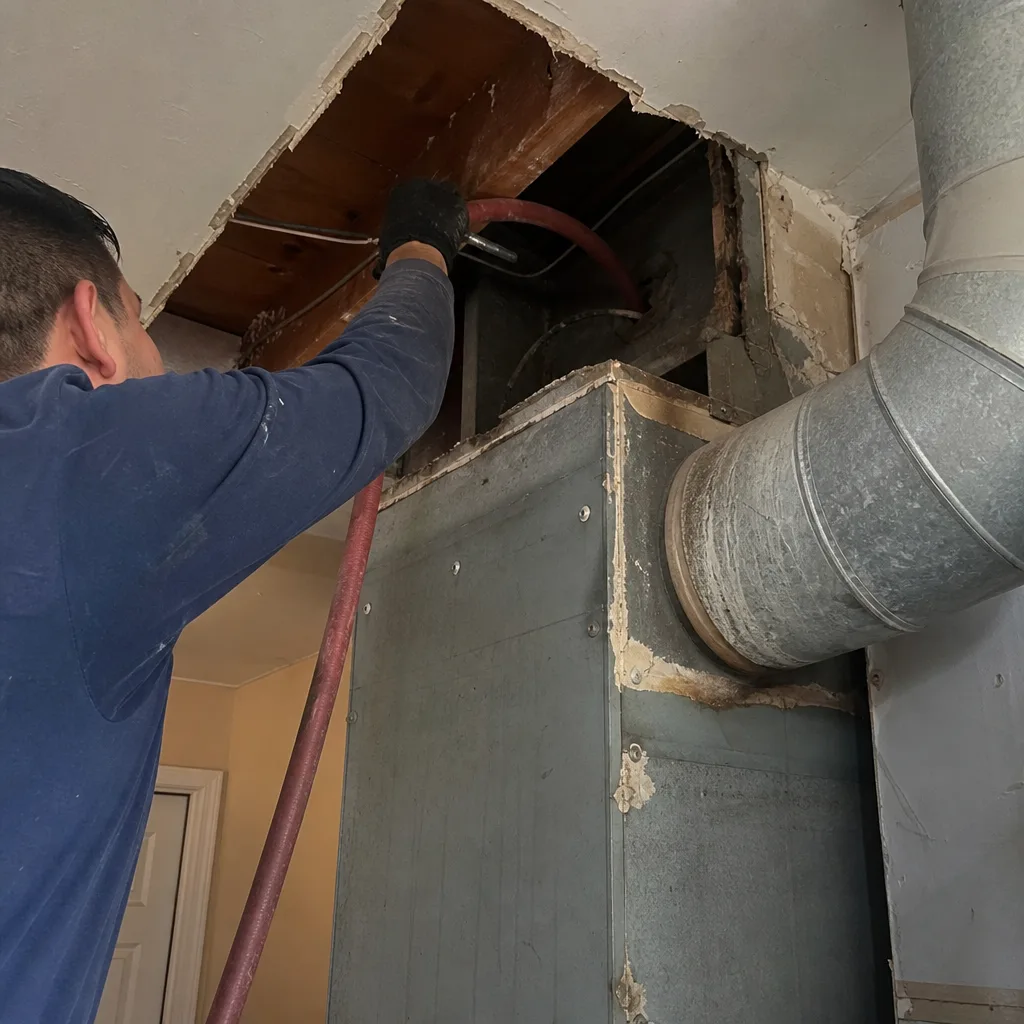 Before
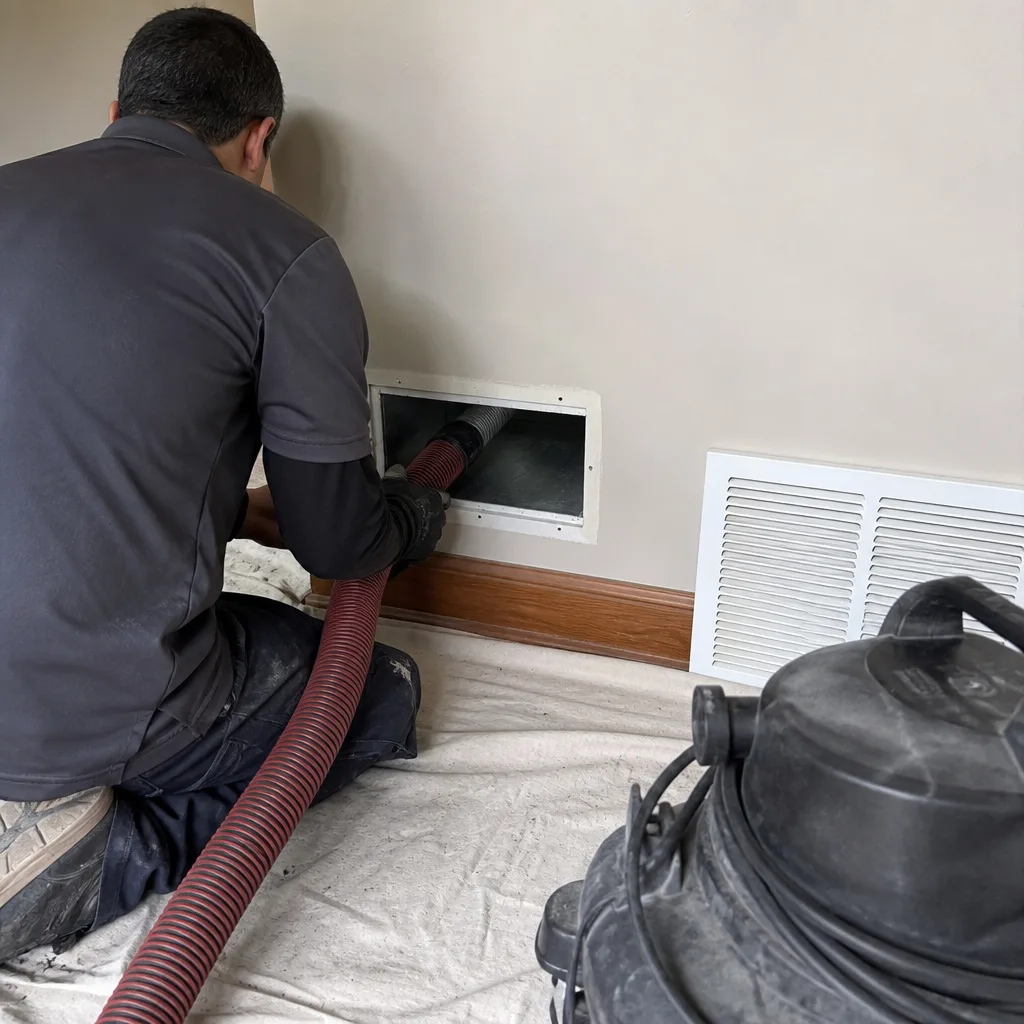 After
After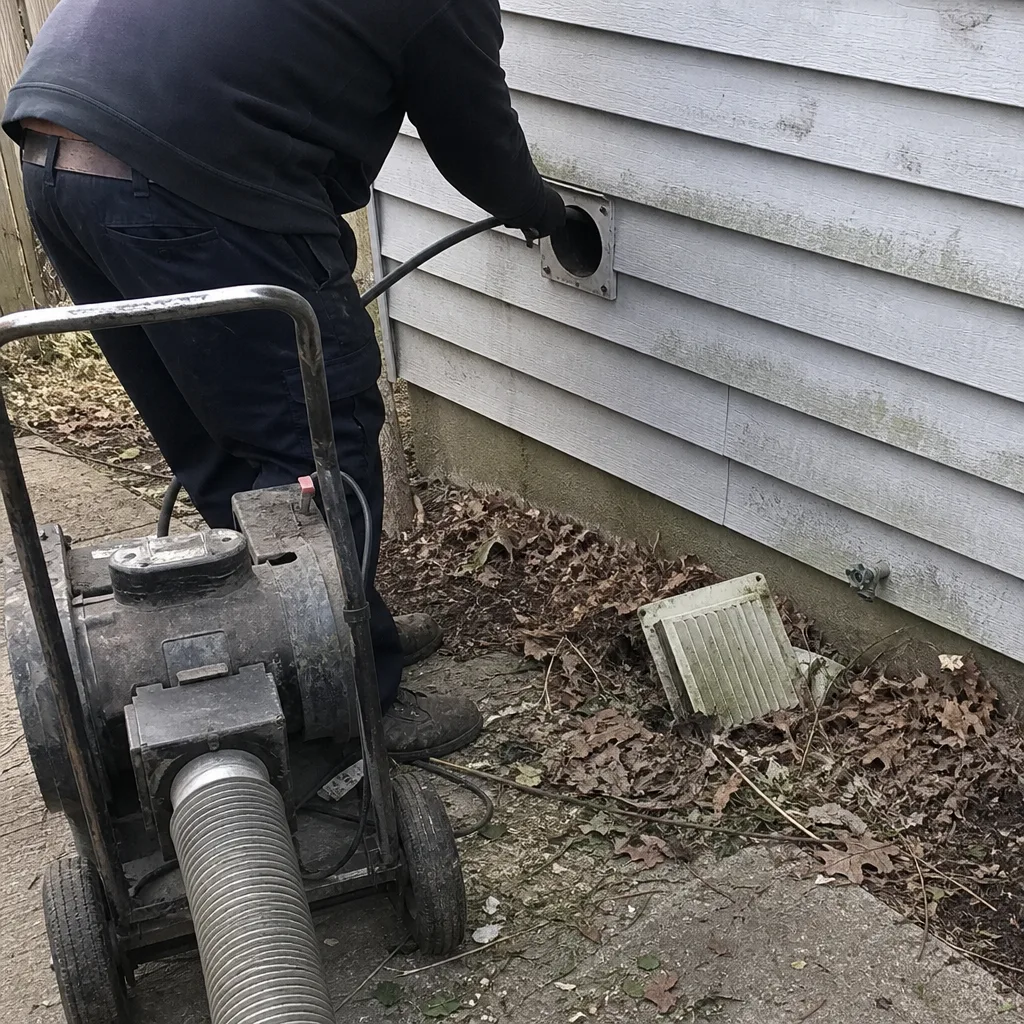 Before
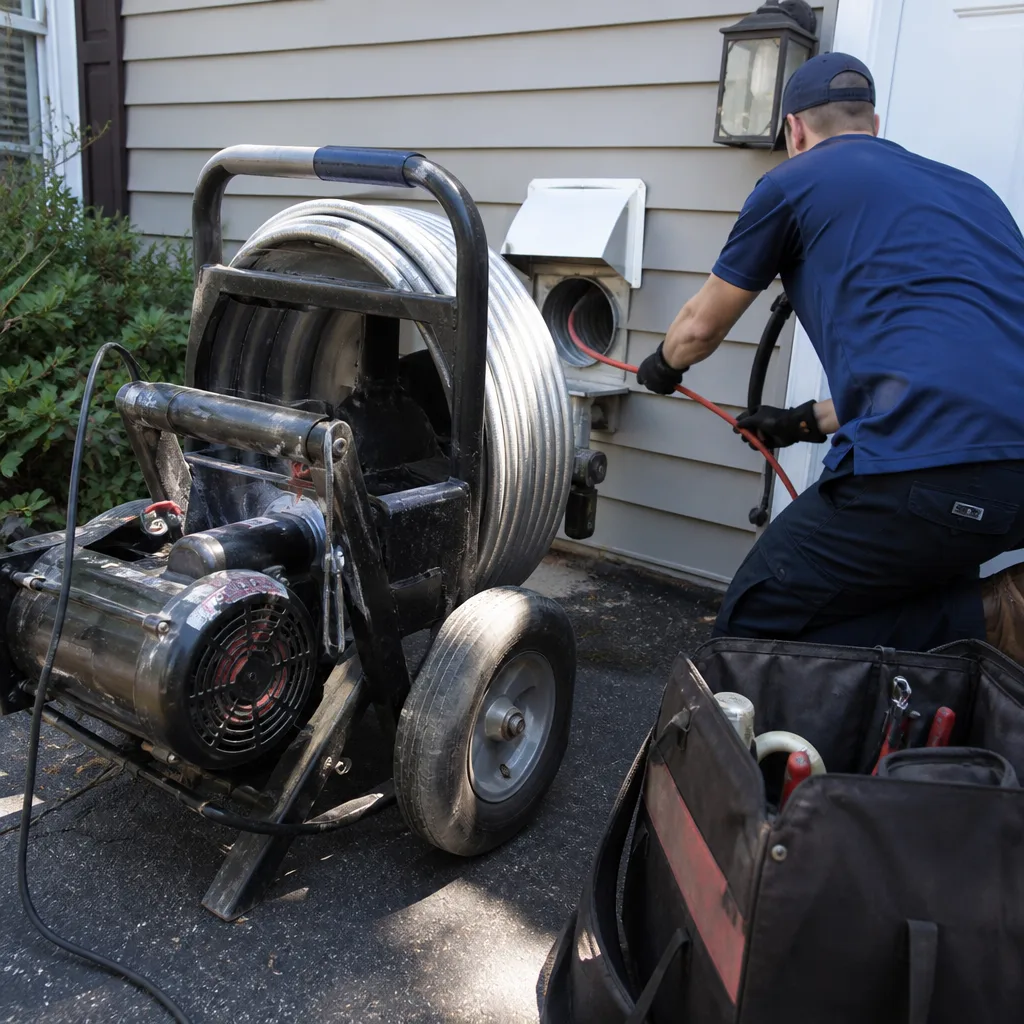 After
After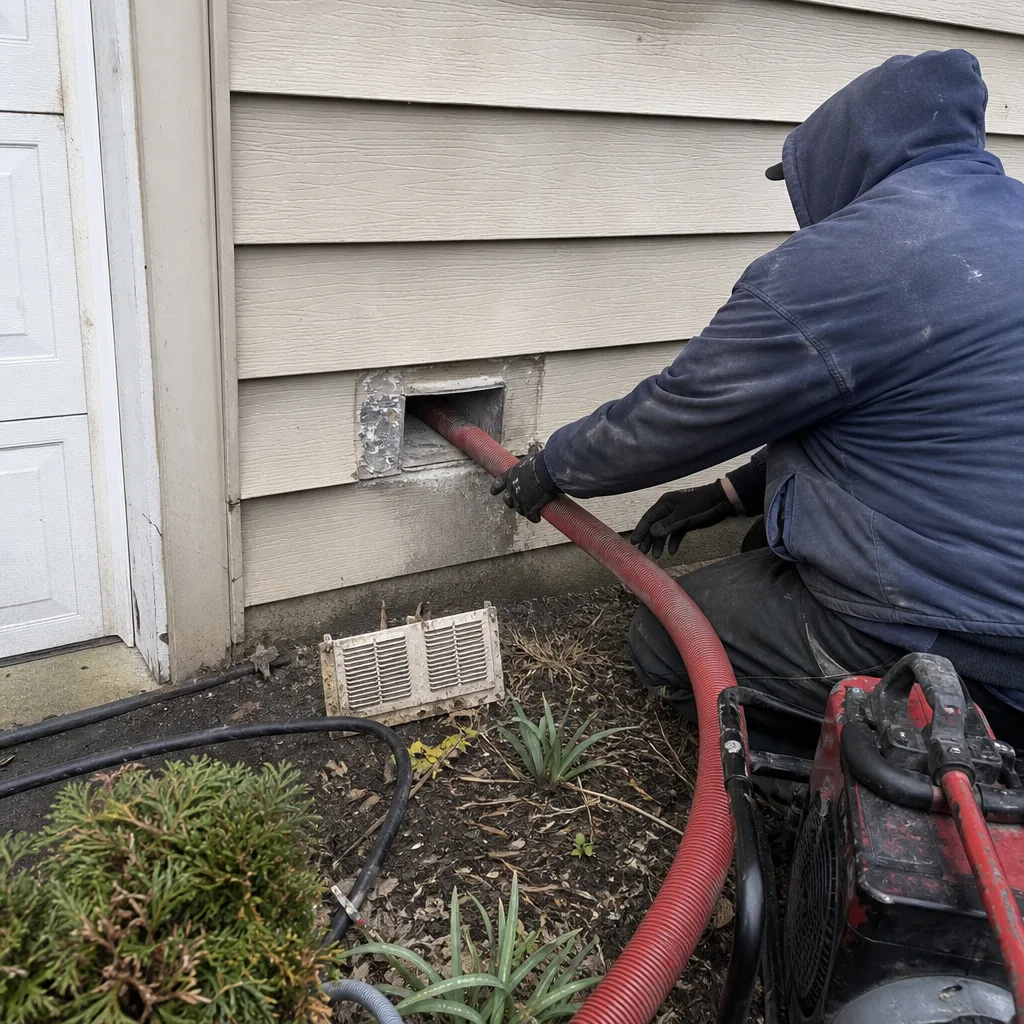 Before
 After
AfterAir Duct Cleaning Warning Signs: A Naperville Homeowner’s Reference Guide
Here’s a number that stops most homeowners cold: in the 1,200+ Naperville homes we’ve documented since 2013, roughly 40% of the duct systems we photographed showed debris build-up that was visible to the camera but had produced no symptoms the owner noticed. The corollary is equally important - many of the symptoms that do send people searching for “air duct cleaning warning signs Naperville” aren’t caused by dirty ducts at all. Dusty registers and a musty smell are not the same problem, don’t have the same cause, and don’t require the same fix. Yet both get quoted as “you need a full cleaning” by contractors who haven’t looked inside the duct yet. This guide - alongside our companion piece, The Complete Guide to Air Duct Cleaning in Naperville - maps five common warning signs to their most likely duct-related causes and their non-duct alternatives, so you can describe what you’re seeing accurately and avoid being sold services you don’t need.
Quick Answer
The most reliable warning signs that your Naperville home’s ducts need Air Duct Cleaning are: visible debris accumulation at supply registers that returns within 30 days of cleaning, persistent musty odor localized to the HVAC system rather than the whole house, and airflow reduction at specific registers while others remain strong. Most other symptoms - general dustiness, allergy flare-ups, uneven temperatures - require distinguishing between a duct problem, a filter problem, an equipment problem, or a building envelope problem before any work is quoted.
Table of Contents
- Visible Dust at Supply Registers
- Musty or Stale Odors from Ductwork
- Reduced Airflow at Specific Registers
- Allergy Flare-Ups and Respiratory Symptoms
- Uneven Room Temperatures
- Warning Signs of Duct Damage vs. Duct Dirt
- How to Document Warning Signs Yourself
- What Mold in Ductwork Actually Looks Like
BeforeAfterVisible Dust at Supply Registers
The supply registers in your floor or ceiling are the exit points where conditioned air enters your rooms. When you notice a dark ring of dust collecting on the fins or the surrounding wall, it’s natural to assume the ducts behind them are filthy. Sometimes that’s true. Often it isn’t.
What the symptom actually indicates: Dust accumulation at register faces usually comes from one of three sources. First, the register itself may be the collection point where airborne particles in the room settle due to the slight static charge created by moving air. Second, the duct boot - the metal box connecting the duct run to the register - may have gaps where attic or crawl space air is being drawn in, carrying insulation fibers and construction debris. Third, the return side of the system may be pulling unfiltered air from a gap in the filter rack or a missing filter panel, allowing household dust to cycle through repeatedly.
In Naperville’s market, we see this pattern frequently in homes built during the 2015-2020 construction boom in subdivisions like Ashwood Crossing and Tall Grass. The duct boots in these homes were often sealed with mastic at the factory but disturbed during final construction, creating micro-gaps that don’t leak enough air to affect system pressure but do pull in attic particulate. Our camera has documented this exact scenario in dozens of these homes - the duct run itself is clean, but the boot is pulling in fiberglass insulation that appears as “dust” at the register.
How to distinguish duct dirt from other causes:
- Clean the register thoroughly with a damp cloth and vacuum the visible duct opening with a household hose attachment.
- Mark the date and photograph the cleaned register.
- Check again at 14 days and 30 days. If debris returns within 14 days, you likely have a return-side leak or filter bypass. If it returns between 14-30 days, the duct run may have accumulated debris that sheds gradually. If it takes 60+ days to return, you’re likely seeing normal household dust settling.
- Remove the register and shine a flashlight into the duct boot. If you see debris on the horizontal surfaces inside the boot itself, that’s evidence of accumulation in the duct run, not just surface settling.
The distinction matters because cleaning a duct run that isn’t dirty costs you money for no benefit, while missing a return-side leak means the symptom returns regardless of how many times the ducts are cleaned. At CleanRun, we photograph the boot and the first three feet of every duct run before quoting any work - it’s part of our standard Air Duct Cleaning in Naperville assessment.
Musty or Stale Odors from Ductwork
Musty odor is the warning sign most commonly misattributed to “dirty ducts” by homeowners and contractors alike. In our experience across Naperville and the broader DuPage County market, true duct-related mustiness has a specific profile: it’s localized to the HVAC system rather than the whole house, it intensifies when the blower first starts, and it persists regardless of room temperature or humidity.
The duct-related causes:
- Standing water in the evaporator pan or secondary drain line. In Naperville’s humid summers, condensate drainage failures are common. The pan beneath your indoor coil should drain completely; if the line is partially blocked, stagnant water produces a distinct musty smell that gets pushed through ducts when the blower engages. This is an equipment problem, not a duct problem, though the ducts distribute the odor.
- Debris accumulation at low points in the duct system. Horizontal duct runs with slight sagging can collect organic material - skin cells, pet dander, pollen - that supports microbial growth. Our cameras have documented this in ranch-style homes with flexible ductwork in unconditioned crawl spaces, particularly in older Naperville neighborhoods like East Highlands where original ductwork may be 30+ years old.
- Disconnected return duct in unconditioned space. A return duct pulling air from a damp crawl space or basement brings that air’s odor profile directly into the supply stream. This is a duct integrity problem, not a cleanliness problem.
The non-duct causes to rule out first:
- Whole-house humidity above 60% relative humidity. Naperville’s summer design humidity is high enough that homes without adequate dehumidification develop musty odors in textiles, carpeting, and wall cavities that get mistaken for “duct smell.” A $20 humidity meter placed in your living space for 48 hours will tell you if this is the source.
- Plumbing leaks in wall cavities near return air pathways. Water in walls produces mold odor that gets pulled into return registers. The ducts are clean; the wall is wet.
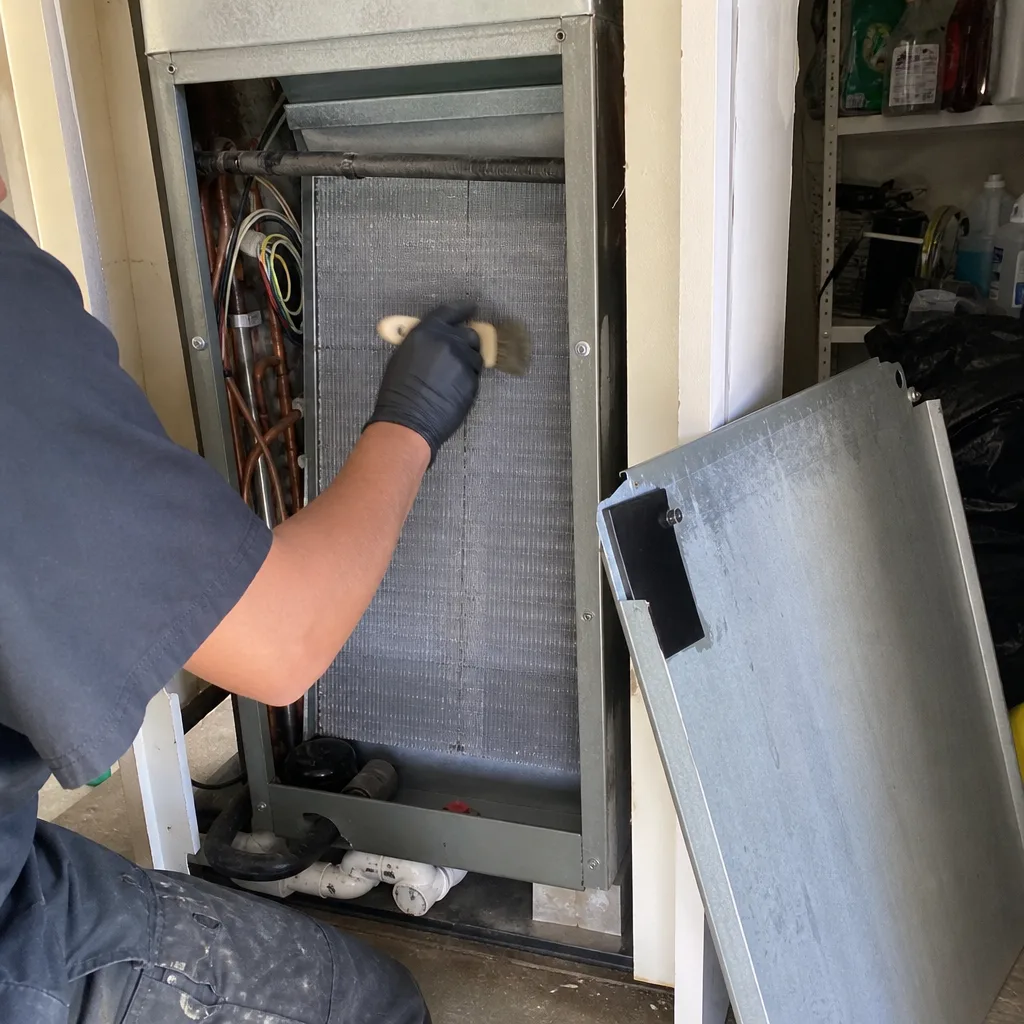
- Dirty evaporator coil. The coil itself, not the ducts, can harbor microbial growth that produces odor. This requires coil cleaning, not duct cleaning.
Our documented photo record has resolved more than one dispute where a homeowner was quoted $800+ for “duct sanitizing” when the actual source was a clogged condensate line we could see dripping in the mechanical room. Haven Standard Clause 1 - written price before any work starts - exists precisely because this kind of misdiagnosis is common in our industry.
Reduced Airflow at Specific Registers
When one bedroom is consistently colder in winter or warmer in summer, or when you hold your hand to a register and feel barely a whisper, the assumption is often “the duct is blocked.” Sometimes that’s accurate. More often, the cause is elsewhere in the system.
Duct-related causes of reduced airflow:
- Physical blockage in the duct run. We’ve retrieved collapsed flexible duct, construction debris left from original build-out, and in one memorable 2019 job in the Cress Creek area, a child’s sock that had fallen through a floor register and lodged at an elbow. Our camera documentation shows these blockages as complete or partial obstructions with distinct edges.
- Dampers closed or partially closed. Many Naperville homes have manual dampers in the ductwork for seasonal balancing. Homeowners often don’t know they exist, and they can shift closed from vibration or from being bumped during other maintenance.
- Kinked or crushed flexible duct. Common in attic installations where storage activity or pest intrusion has deformed the duct path.
Non-duct causes that produce identical symptoms:
- Dirty blower wheel or evaporator coil. These components move the air; if they’re fouled, the entire system loses capacity. The registers in the most distant rooms - usually those at the end of duct runs - show reduced airflow first. A duct cleaning won’t fix this.
- Refrigerant charge issue or failing compressor. In cooling mode, insufficient refrigerant reduces the temperature differential across the coil, which reduces the air density and the perceived airflow at registers. The air is moving; it’s just not cold enough to feel forceful.
- Oversized or undersized equipment. In Naperville’s newer construction, we’ve seen equipment matched to square footage without adequate load calculation. Short-cycling equipment doesn’t run long enough to push air to distant rooms effectively.
The diagnostic step most homeowners skip: before calling any contractor, check whether the reduced airflow occurs in heating mode, cooling mode, or both. If it’s cooling-only, the cause is more likely refrigerant or coil-related than duct-related. If it’s both, the duct path or the blower is the more probable source. This single observation, shared when you call, eliminates half the diagnostic paths and protects you from being quoted work on the wrong system component.
Allergy Flare-Ups and Respiratory Symptoms
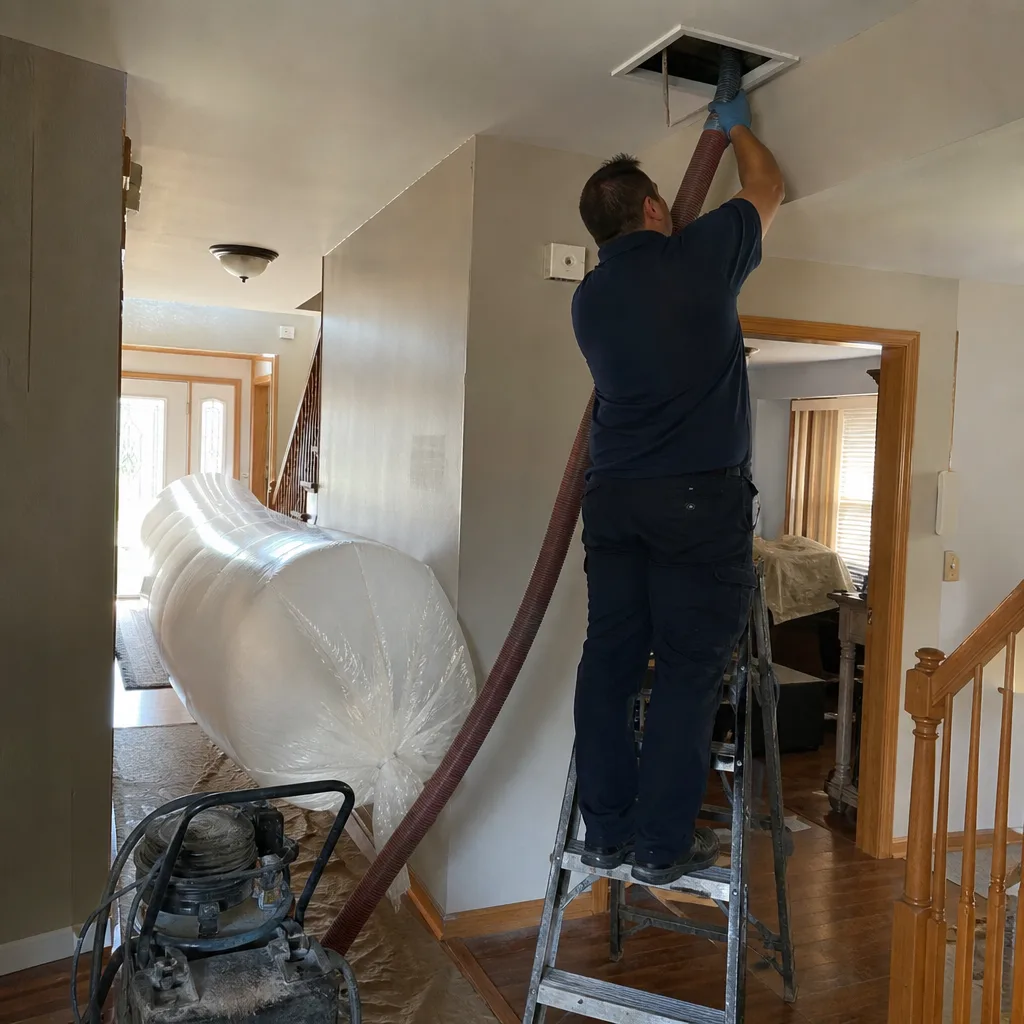
This is the warning sign most vulnerable to exploitation. When a family member’s allergies worsen indoors, “your ducts are circulating allergens” is an easy sell. The actual relationship between duct cleanliness and respiratory symptoms is more nuanced than most marketing suggests.
What the research actually shows: The EPA’s position, which aligns with our field documentation, is that duct cleaning has never been proven to prevent health problems. Studies do not conclusively demonstrate that particle levels in homes increase because of dirty air ducts. This doesn’t mean duct cleaning is useless; it means the health claims made for it are often overstated.
When duct-related causes are genuinely likely:
- Visible mold growth inside hard surface ducts. This is distinct from the oxidized dust or insulation fiber often described as “mold” by untrained inspectors. True mold in ducts requires moisture, which in Naperville’s climate most commonly enters through return-side leaks in humid summer conditions or from condensate management failures.
- Severe rodent or insect infestation with allergen-laden debris. We’ve documented this in homes with unused chimney flues connected to return plenums, and in crawl space duct systems with entry gaps.
- Construction debris in new or renovated homes. Drywall dust, in particular, is highly irritating and can persist in ductwork for years if not removed. In Naperville’s active renovation market, we see this frequently in homes where HVAC was running during construction.
Non-duct causes to investigate first:
- Particle sources that overwhelm any filtration system. Carpeting, upholstered furniture, and pets produce more airborne allergen than most ducts ever could. A MERV 13 filter (we install Honeywell and Aprilaire media filters) captures what circulates, but it doesn’t reduce source generation.
- Inadequate ventilation rate. Modern homes in Naperville are built tight. Without mechanical ventilation, indoor pollutant concentrations rise regardless of duct cleanliness. The solution is ventilation equipment, not duct cleaning.
- HVAC system operating as allergen distributor, not source. A dirty evaporator coil or blower wheel can harbor microbial growth that gets aerosolized. Again, this is equipment cleaning, not duct cleaning.
Our recommendation: if respiratory symptoms are your primary concern, invest $150-$300 in professional indoor air quality assessment before committing to duct cleaning. The assessment should measure particle counts, CO2 levels, and humidity, and should sample for specific allergens if indicated. CleanRun offers this as a standalone service in Naperville because we’ve seen too many homeowners spend $600+ on duct cleaning when their actual problem was a bedroom with no fresh air ventilation.
Uneven Room Temperatures
The bedroom over the garage is too hot. The basement is too cold. The kitchen, with its west-facing windows, never reaches the thermostat setpoint. These complaints drive thousands of service calls annually in Naperville, and duct cleaning is routinely proposed as the solution. It rarely is.
When duct issues genuinely cause temperature imbalance:
- Significant duct leakage in unconditioned space. A supply duct running through an attic with 20%+ leakage is dumping conditioned air before it reaches the register. In Naperville’s climate, attic temperatures reach 140°F in summer; a leaky duct in that environment can’t deliver cool air effectively. Our duct leakage testing, performed with a Duct Blaster or similar calibrated fan, quantifies this precisely.
- Disconnected or completely blocked duct run. The room receives no conditioned air at all. This is obvious and extreme, not subtle.
- Grossly undersized duct to a specific room. More common in additions or finished basements where original ductwork wasn’t extended properly.
The far more common non-duct causes:
- Building envelope deficiencies. Inadequate insulation over the garage, single-pane windows in older Naperville homes, or thermal bridging through framing members produce loads that no duct system can overcome. The problem is heat gain or loss, not air delivery.
- Thermostat location and solar gain. A thermostat in a central hallway with no windows reads differently from a kitchen with afternoon sun exposure. The system is delivering air; the load is mismatched to the control point.
- System sizing or zoning. A single-zone system cannot simultaneously satisfy a south-facing room with high solar gain and a north-facing bedroom with minimal load. Duct cleaning doesn’t change this physics.
In our 2013-2025 documentation of Naperville homes, temperature imbalance attributable to duct cleanliness issues represented less than 5% of cases. Duct leakage, insulation, and equipment sizing dominated. Before accepting any duct cleaning quote for temperature complaints, ask the contractor to show you measured airflow at the problem register in CFM (cubic feet per minute), and to compare it to the room’s calculated load. If they can’t or won’t, you’re not getting a diagnosis; you’re getting a sales pitch.
Warning Signs of Duct Damage vs. Duct Dirt
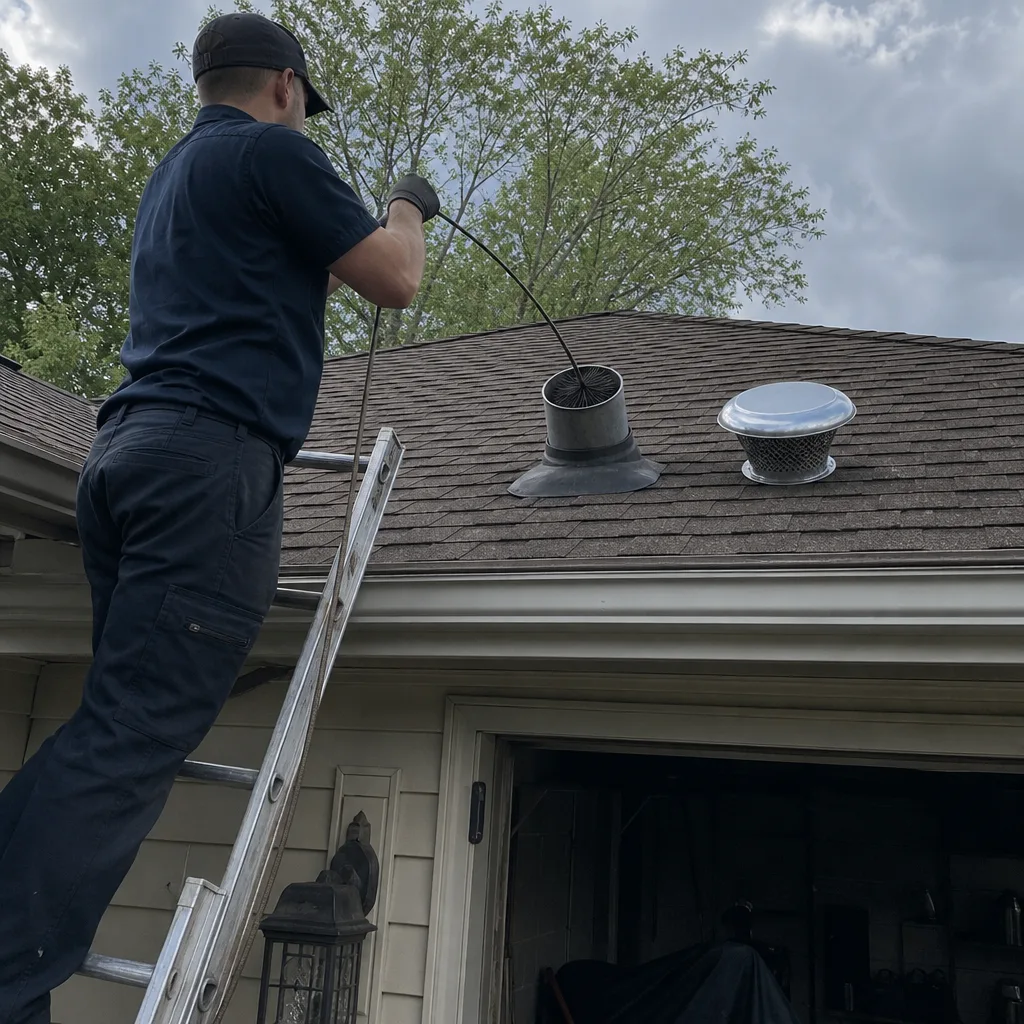
This distinction is critical and almost never explained to homeowners. Dirty ducts and damaged ducts are different conditions with different solutions, different price ranges, and different implications for system performance. Yet both get marketed as “duct cleaning” in promotional materials.
Signs of duct damage that cleaning cannot fix:
- Visible gaps or separations at duct joints. In metal ductwork, look for disconnected sections where mastic or tape has failed. In flexible duct, look for tears, kinks, or compression that has flattened the duct cross-section.
- Condensation on duct exterior in summer. This indicates that humid air is contacting a cold surface, which occurs when insulation is missing or damaged on ductwork in unconditioned spaces. The duct isn’t dirty; it’s uninsulated.
- Rust or corrosion on metal duct surfaces. Indicates prolonged moisture exposure, often from condensate leaks or high humidity. Cleaning removes surface rust; it doesn’t address the moisture source or restore metal integrity.
- Collapsing or deformed flexible duct. Common in attic installations where support straps have failed or where storage has compressed the duct. The only fix is replacement or re-support.
What duct damage costs to repair in Naperville: Minor sealing with mastic and mesh tape runs $200-$400 per accessible section. Section replacement in attics or crawl spaces typically ranges $400-$800 depending on length and access difficulty. Full duct system replacement in a 2,500 square foot home generally falls between $3,500-$7,500. These are whole-system repairs, not cleaning services, and should be quoted with written scope and materials specifications under Haven Standard Clause 1.
Our documented photo record has saved multiple Naperville homeowners from paying cleaning prices for damage repairs. In a 2022 job near Riverwalk, our camera revealed that a “dirty duct” quote of $950 was actually addressing a completely disconnected return duct in the attic - a $400 repair that took 90 minutes. The homeowner brought us a competitor’s written estimate; our Free Second Opinion identified the misdiagnosis before any work started.
How to Document Warning Signs Yourself
The best protection against post-arrival upsells is documentation you create before any contractor visits. This practice also lets you share specific observations when you call, which improves diagnostic accuracy and reduces unnecessary truck rolls.
Step-by-step documentation process:
- Photograph the symptom. For dust at registers, use your phone’s flash and take one photo from 12 inches showing the register face, and one looking into the duct boot with the register removed. For odors, note the time of day, which blower mode was running, and whether the smell intensifies at startup or persists continuously.
- Record basic system information. Note the equipment brand, approximate age (from the serial plate), filter type and date last changed, and thermostat settings when the symptom occurs. This takes two minutes and eliminates half the diagnostic questions.
- Perform the simple checks. Verify that all registers are open, that dampers (if you can locate them) are in the seasonal position, and that the filter is seated properly with no bypass gaps. Photograph the filter condition.
- Time the symptom. Does reduced airflow occur only in cooling mode? Only when the outdoor temperature exceeds 85°F? Only in the morning? Temporal patterns are diagnostic gold that most homeowners never record.
- Get a second opinion on any quote. Bring any competitor’s written estimate to CleanRun. We put our own assessment and number next to it, in writing, at no cost. Haven Standard Clause 1 applies to our second opinions too - written price, no work until you approve.
The documentation you create becomes part of your home maintenance record. If you later sell your Naperville home, this history demonstrates diligent maintenance to buyers and their inspectors. More immediately, it protects you from the common contractor tactic of discovering “additional problems” only after work has begun.
What Mold in Ductwork Actually Looks Like
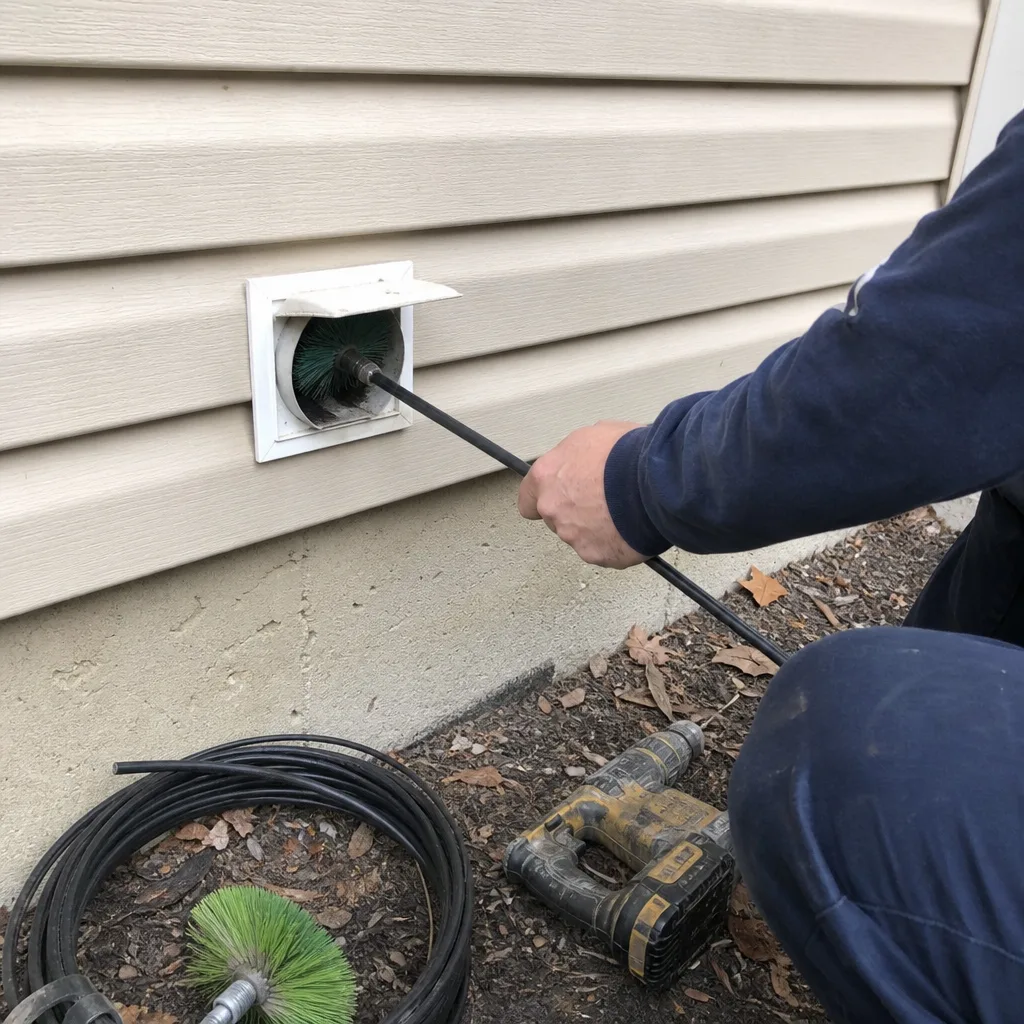
“Mold” is the most feared and most misidentified warning sign in our industry. We’ve reviewed thousands of customer-provided photos and competitor “mold reports” since 2013. The majority show oxidized dust, insulation fiber, or water staining - not active mold growth.
What active mold in ducts actually looks like:
- Color: Active mold in HVAC systems is typically green, black, or white, with a fuzzy or velvety texture visible to the camera. It grows on the metal or liner surface, not just on accumulated dust.
- Location pattern: It requires moisture, so it appears near condensate lines, at low points in horizontal runs, or on surfaces chronically below the dew point. Random spotting throughout the system is unlikely to be mold.
- Associated conditions: Active mold correlates with measurable moisture - a condensate leak, a return-side leak pulling humid air, or a system that has been offline for extended periods in humid conditions.
What is often mistaken for mold:
- Oxidized dust. Household dust darkens over time, especially near kitchen returns where cooking particulate accumulates. It appears as uniform gray or brown staining, not fuzzy growth.
- Fiberglass insulation fibers. These appear as white or yellowish filaments, often with a glittery quality from the binder resin. They’re physically present, not biological growth.
- Water staining without growth. Past leaks leave mineral deposits and discoloration that persists after the moisture source is resolved. The stain is not active mold.
In Naperville’s climate, true duct mold is most common in homes with crawl space return systems or with chronic condensate management issues. Our camera documentation protocol includes moisture meter readings at any suspected growth site. If we can’t document moisture, we don’t call it mold - we call it what the camera shows, and we explain what that means. The 365-Day Done Right Promise applies to our assessments too: if we identify something as mold and later testing shows it isn’t, we make it right.
For homeowners who want independent verification, we recommend laboratory analysis of a tape lift sample before any remediation work. This costs $75-$150 and provides species identification that speculative “mold treatment” cannot match. CleanRun coordinates this sampling as part of our assessment protocol when indicated.
Common Mistakes to Avoid
- Accepting a quote without camera documentation. Any contractor who can price duct work without showing you the inside of your ducts is guessing. Our standard practice, held since 2013, is photographing every duct run before quoting.
- Confusing a filter problem for a duct problem. A MERV 8 pleated filter changed every 90 days captures most household particulate. If your filter is clogged, collapsed, or missing, fix that first and reassess symptoms before calling for duct cleaning.
- Assuming new construction means clean ducts. Construction debris in new Naperville homes is often severe - drywall dust, wood shavings, and fastener debris accumulate during the build. We recommend duct inspection before occupancy in any new construction purchase.
- Paying for “sanitizing” or “sealing” without understanding what’s being applied. The EPA does not register any chemical biocides for use in internally-lined ductwork. If a contractor proposes spraying something into your ducts, ask for the EPA registration number and the material safety data sheet. Under Haven Standard Clause 1, CleanRun discloses all materials before application.
- Ignoring seasonal patterns. Symptoms that appear only in summer often indicate condensate or humidity issues, not duct cleanliness. Symptoms that appear only in heating mode may indicate combustion safety concerns requiring immediate professional evaluation.
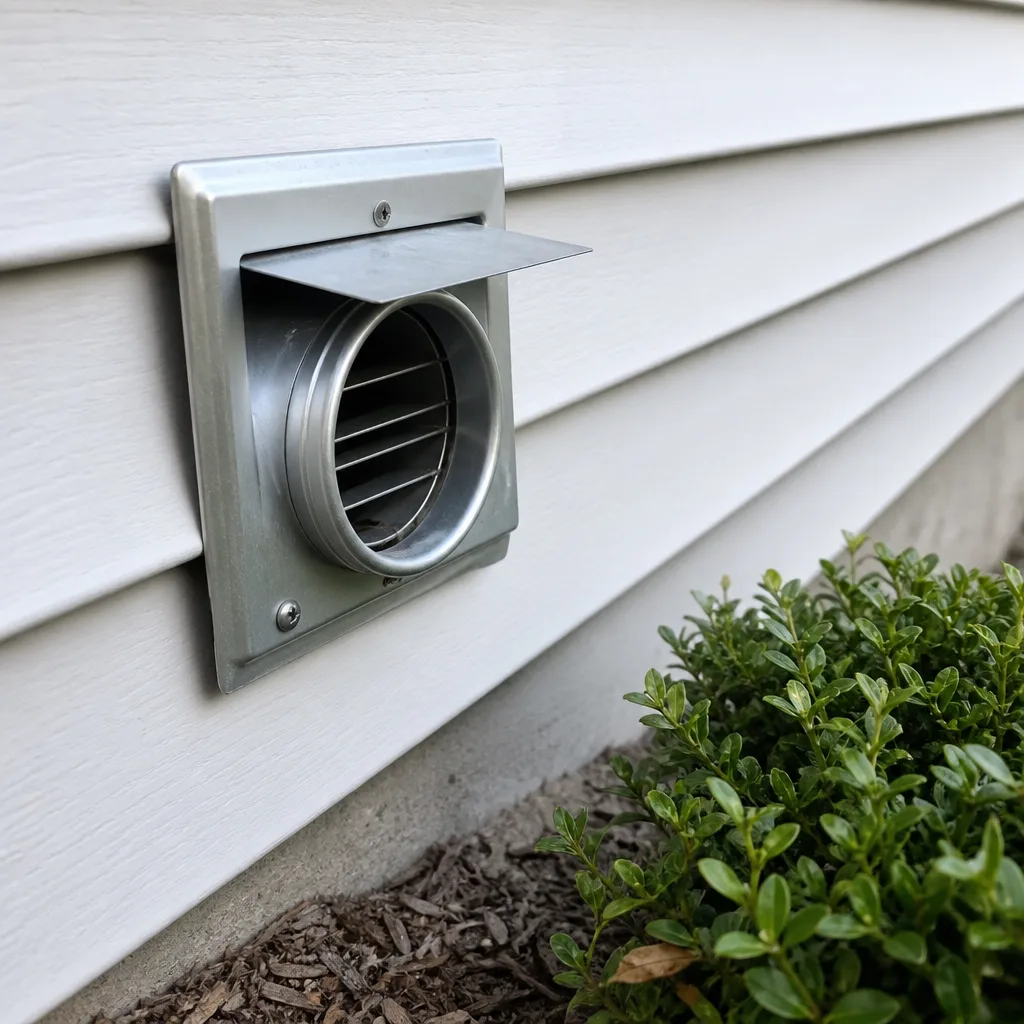
- Neglecting dryer vent maintenance while focusing on ducts. A clogged dryer vent is a genuine fire hazard and affects household humidity. Our Dryer Vent Cleaning in Naperville service addresses this separately from duct cleaning.
When to Call a Professional
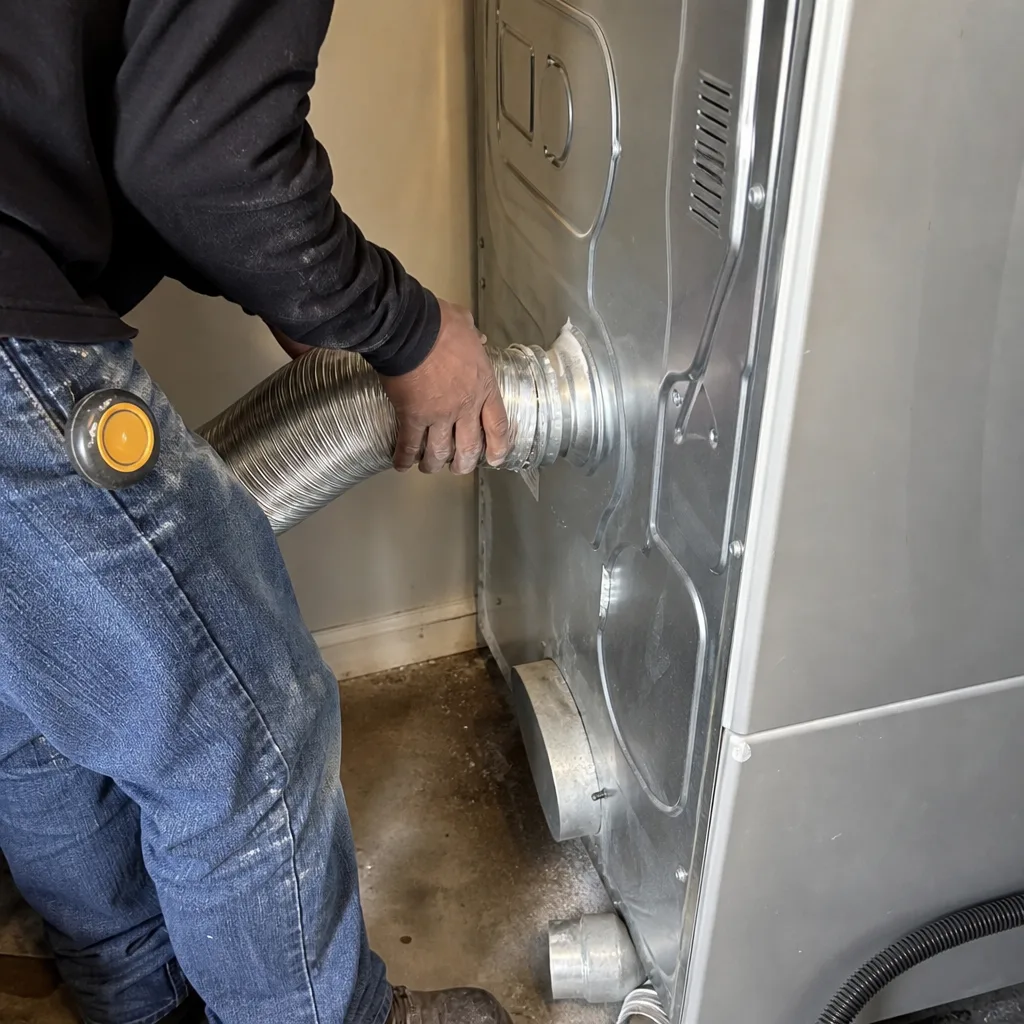
Call for professional assessment when: you’ve documented a symptom using the steps above and it persists after basic filter and register checks; you see visible debris accumulation beyond the first foot of ductwork that returns within 30 days; you smell musty odor that intensifies at blower startup and you’ve ruled out condensate drainage issues; or you’ve identified temperature imbalance combined with measured airflow reduction at specific registers.
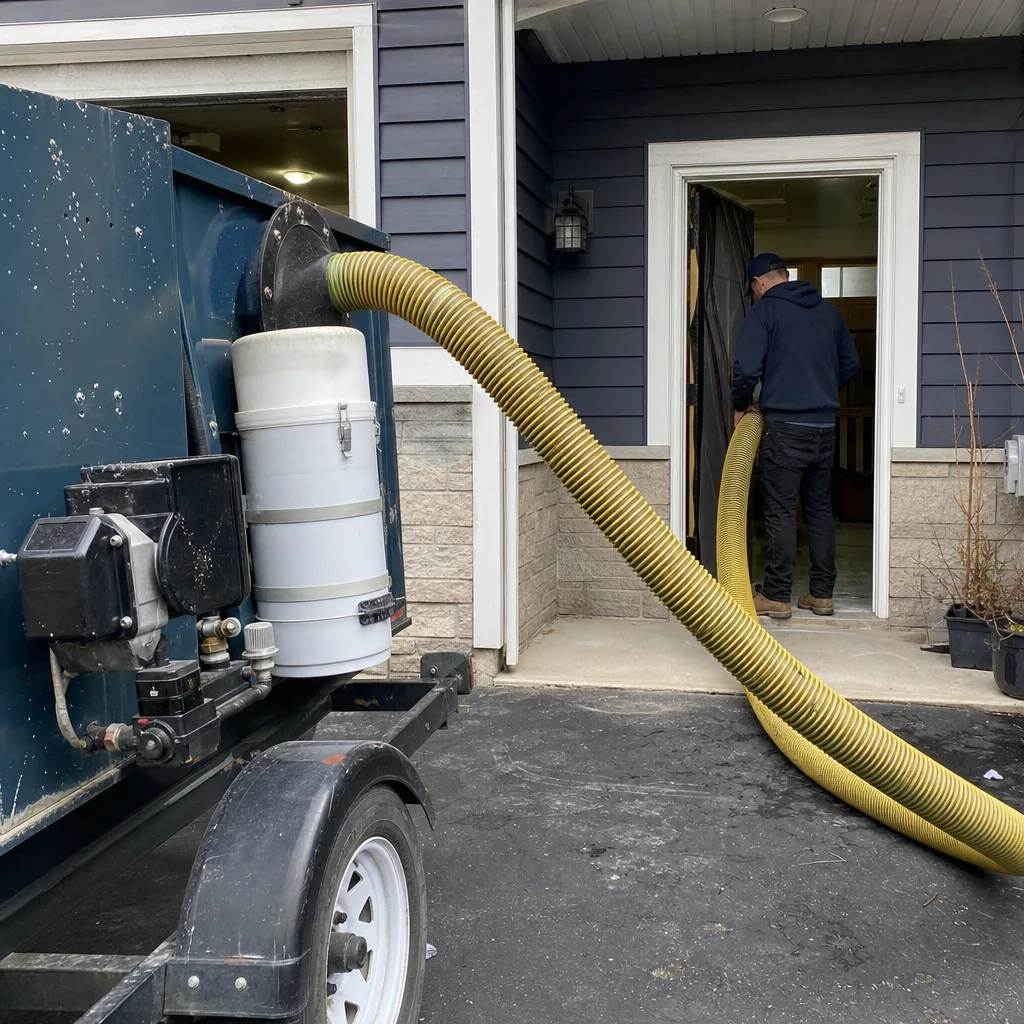
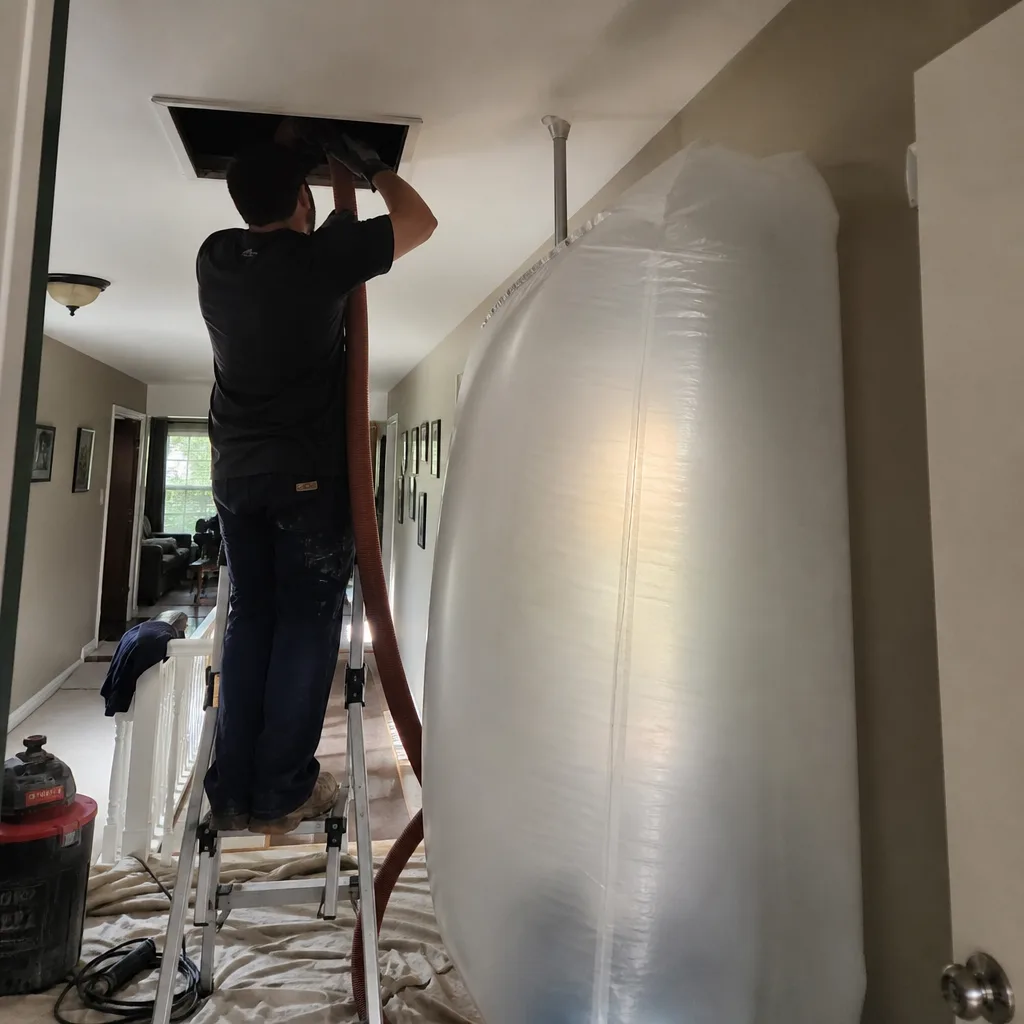
CleanRun Air Duct Cleaning Naperville offers free estimates in Naperville - call (331) 236-5490. Every assessment includes camera documentation of accessible duct runs, a written scope and price before any work begins, and delivery of the documented photo record as a standard job deliverable. Our technicians are background-checked, uniformed, and identified by name before arrival under Haven Standard Clause 3: Verified Crews. Equipment on every truck includes Rotobrush and Abatement Technologies negative-pressure extraction systems, with Honeywell and Aprilaire filtration components available for installation where indicated.
Frequently Asked Questions
Whole-system air duct cleaning for a typical Naperville home ranges from $450 to $850 depending on system size, accessibility, and the number of duct runs. Homes with finished basements, multiple HVAC zones, or ductwork in sealed crawl spaces fall at the higher end. CleanRun provides a written price before any work starts - Haven Standard Clause 1 - with no per-vent add-ons or post-arrival upsells. Call (331) 236-5490 for an exact quote; estimates are free.
The $79-$149 duct cleaning offers common in coupon mailers typically cover only a superficial register vacuuming and blower compartment wipe, not full-system cleaning with negative-pressure extraction and per-run camera documentation. The low price gets the truck on your driveway; the upsell begins once work starts. CleanRun’s pricing is flat per system, agreed in writing before work begins, and includes the documented photo record of every run. Bring any competitor’s written estimate; our Free Second Opinion puts our scope and price next to it for direct comparison.
You receive a documented photo record showing the inside of every duct run before and after cleaning, delivered as part of the standard job record. This practice, maintained on every job since CleanRun’s first in 2013, lets you verify that debris was removed rather than merely disturbed. The 365-Day Done Right Promise provides written recourse if any run does not meet the documented standard.
For most Naperville homes with standard MERV-rated filtration and no pets or respiratory sensitivities, duct cleaning is not time-based maintenance. It’s response-based: performed when camera documentation shows accumulated debris, after construction or renovation, or when specific symptoms are traced to duct sources. Homes with multiple pets, recent construction, or occupants with severe allergies may benefit from inspection every 3-5 years. We do not recommend routine cleaning on a fixed schedule absent documented need.
Minor debris accumulation has negligible effect on system efficiency. Significant blockage - reducing measured airflow by 20% or more - can increase blower energy consumption and reduce heat exchange efficiency. However, duct leakage to unconditioned space is a far more common and impactful energy issue in Naperville homes. Our assessment includes leakage observation; if we find it, we explain repair options separately from cleaning.
Air duct cleaning addresses the supply and return ductwork, registers, and grilles. HVAC Cleaning in Naperville extends to the blower wheel, evaporator coil, and condensate management components - the equipment that moves and conditions air. Symptoms at the equipment level (noise, odor at startup, coil icing) require HVAC cleaning. Symptoms distributed throughout the home (debris at multiple registers, odors from specific rooms) may indicate duct cleaning. CleanRun assesses both and scopes accordingly, with separate written pricing for each.
The Bottom Line
Most warning signs that send Naperville homeowners searching for duct cleaning have multiple possible causes, and the ductwork itself is often not the source. Accurate diagnosis requires distinguishing symptom from cause, ruling out filter and equipment issues first, and demanding camera documentation before accepting any quote. The five signs mapped in this guide - visible dust, musty odor, reduced airflow, allergy symptoms, and temperature imbalance - each have duct-related and non-duct-related explanations. Your protection as a homeowner is documentation: your own photographs and observations, plus the contractor’s written scope, written price, and documented photo record of what was actually found and done. CleanRun has operated on these principles since 2013, with 52,000+ homes served under the H.A.V.E.N. Standard and the 365-Day Done Right Promise. Explore more guides & resources on our blog.
Written by Tomas Reyes, Owner at CleanRun Air Duct Cleaning Naperville, serving Naperville since 2013.